
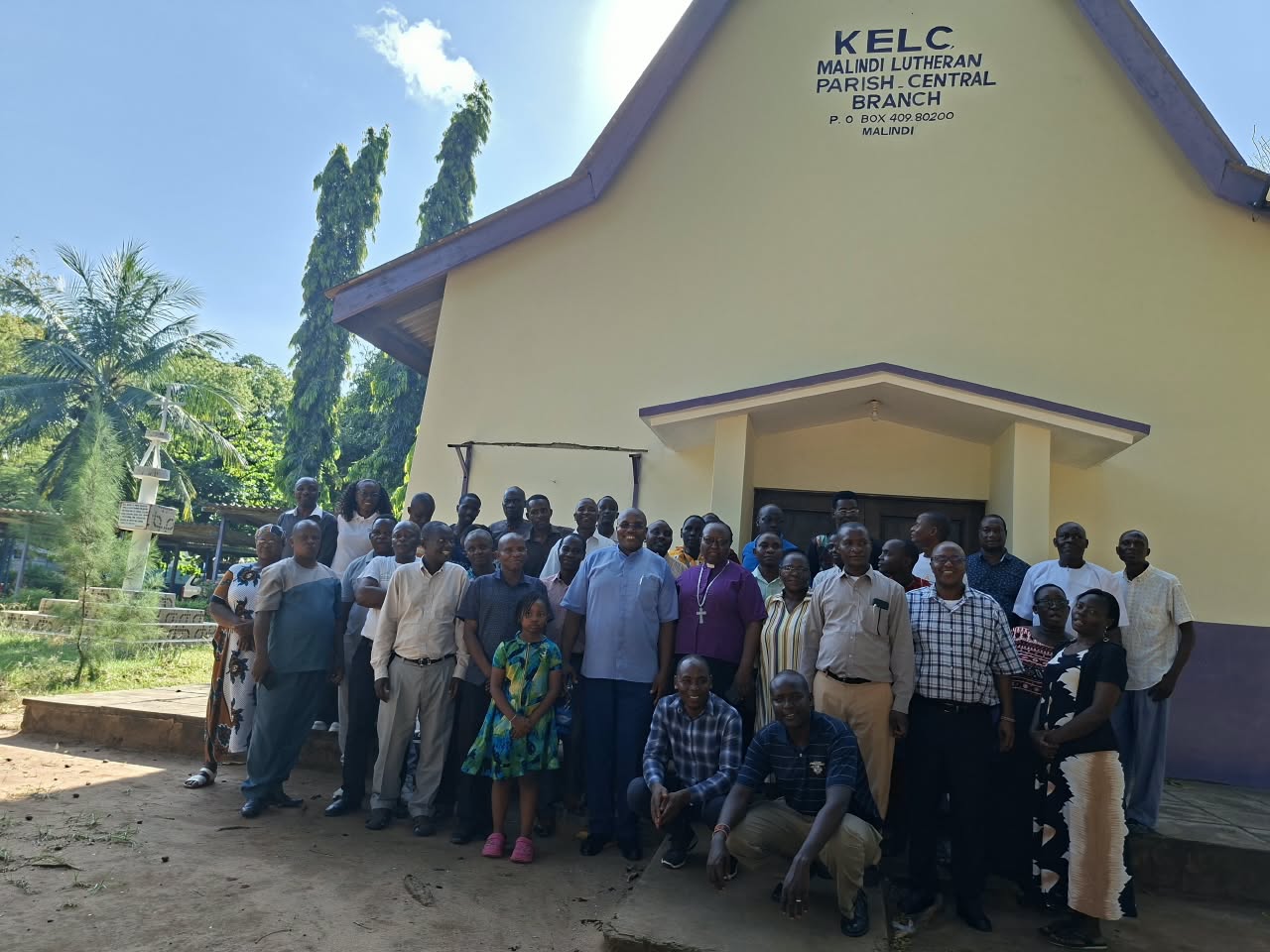
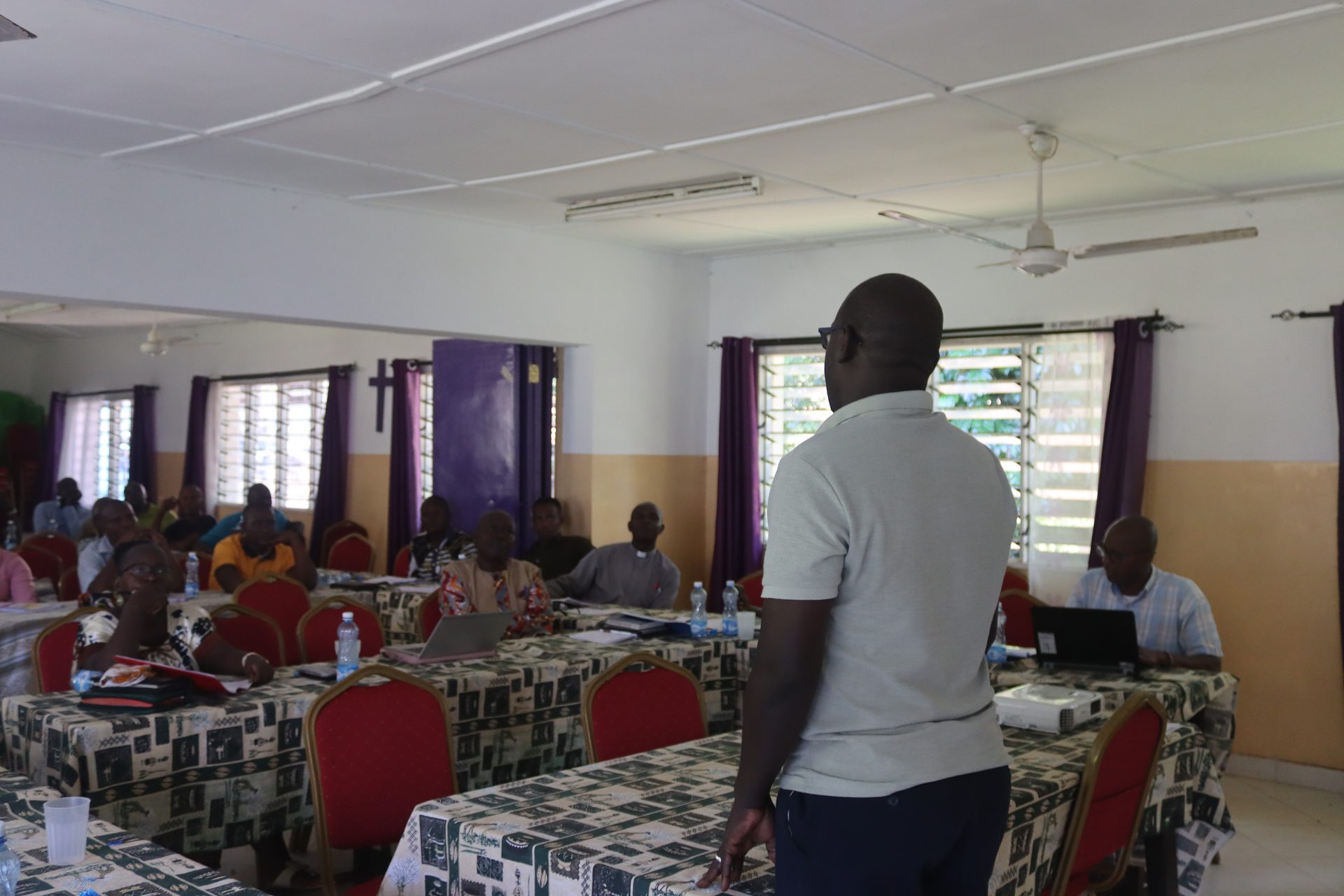
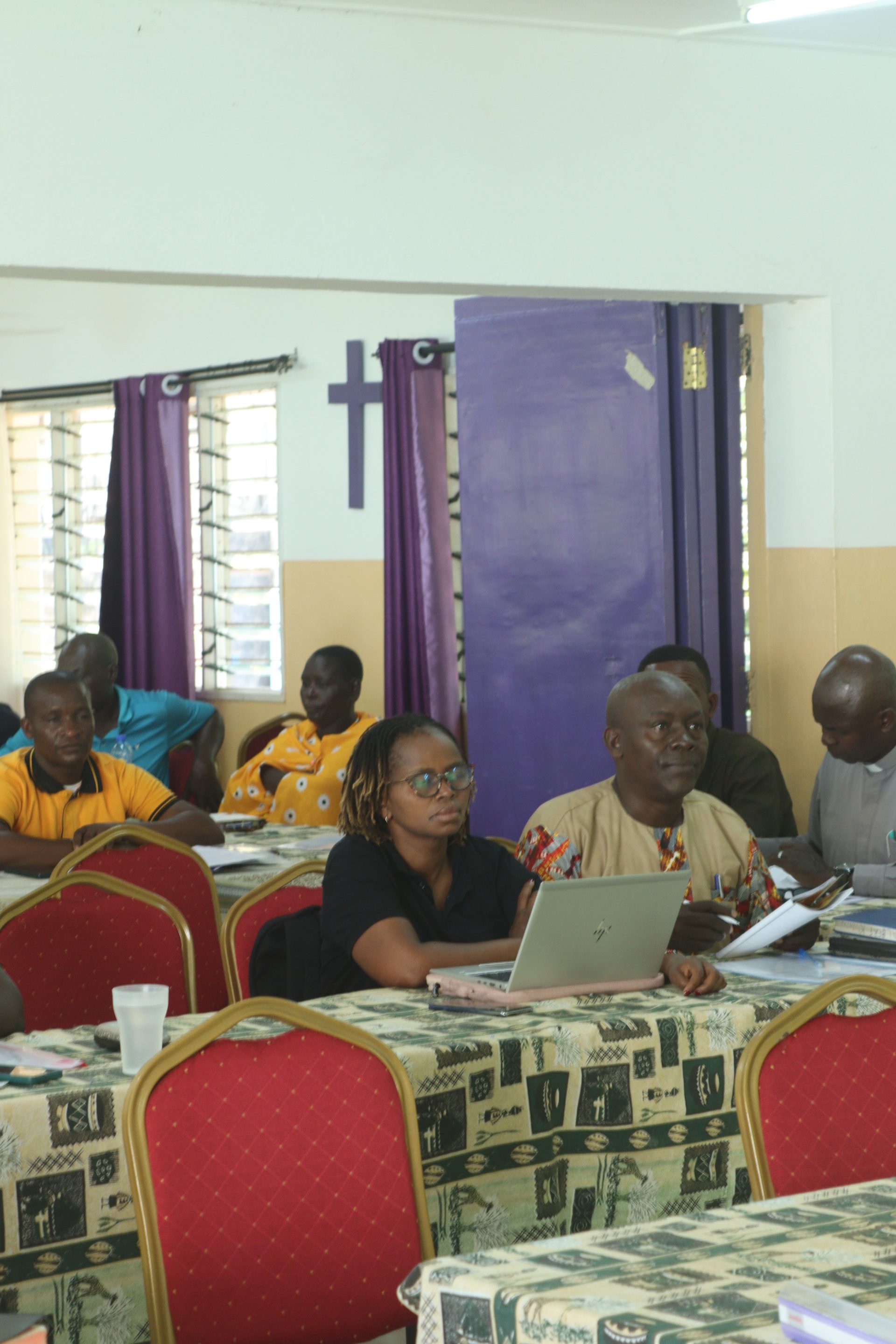
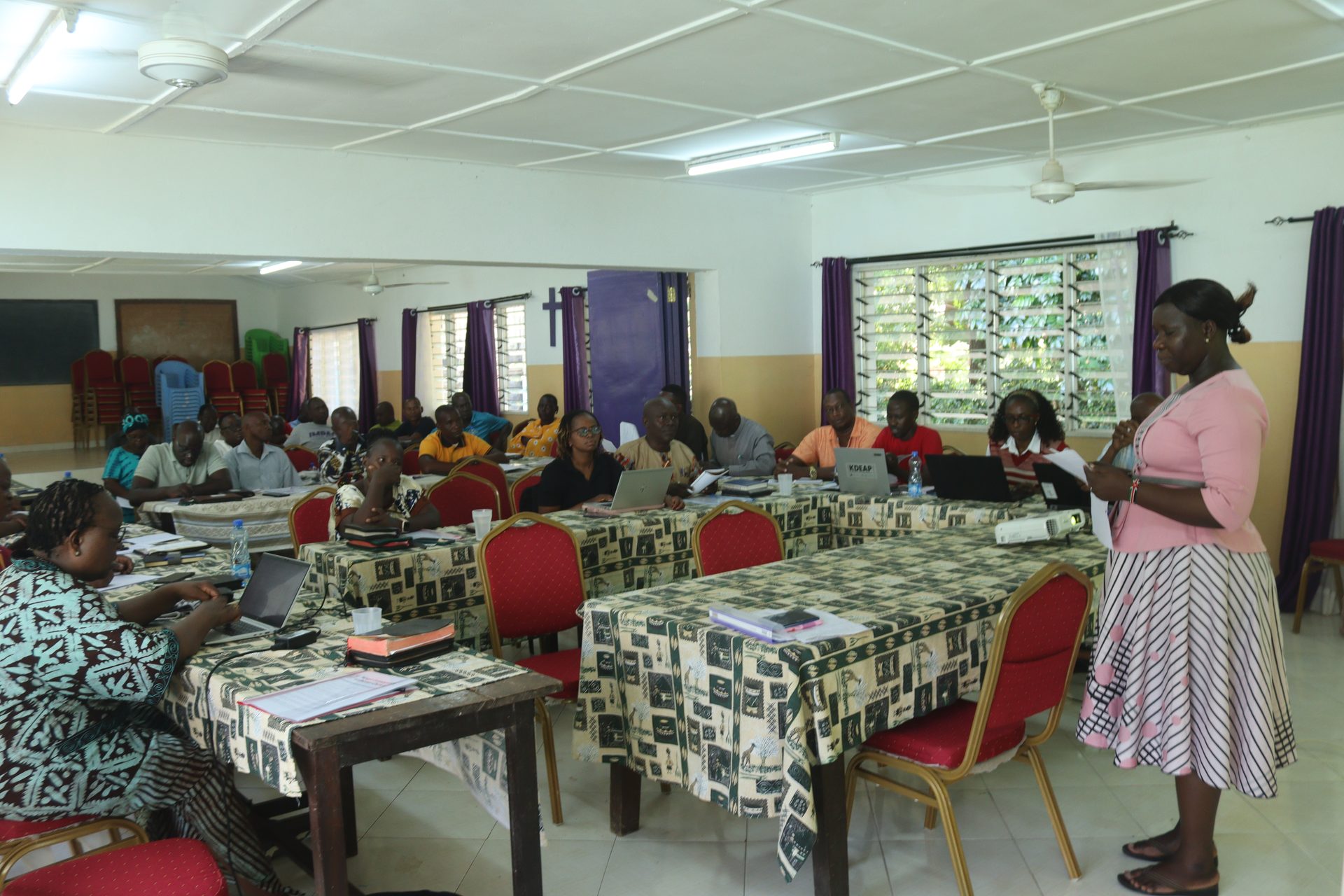
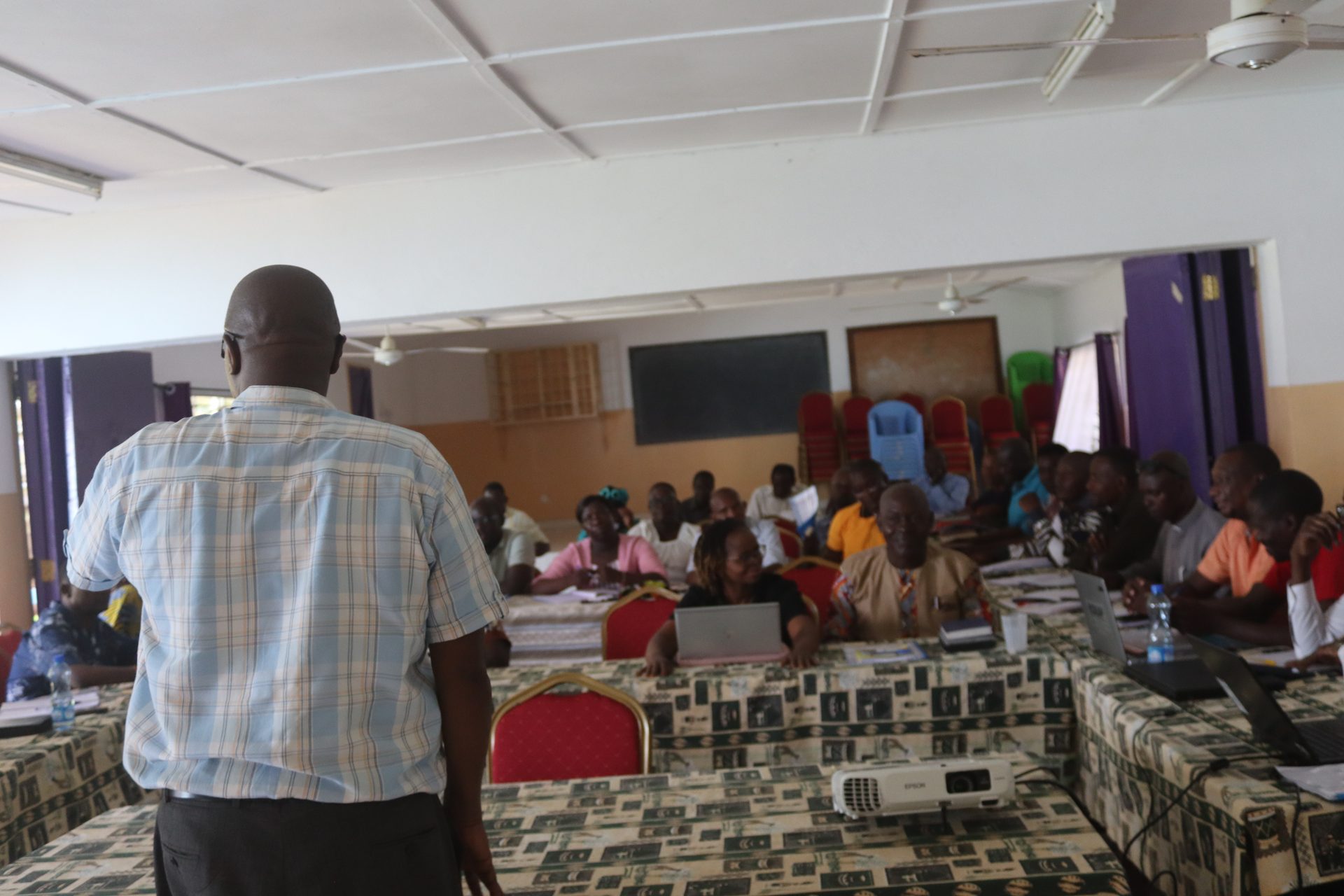
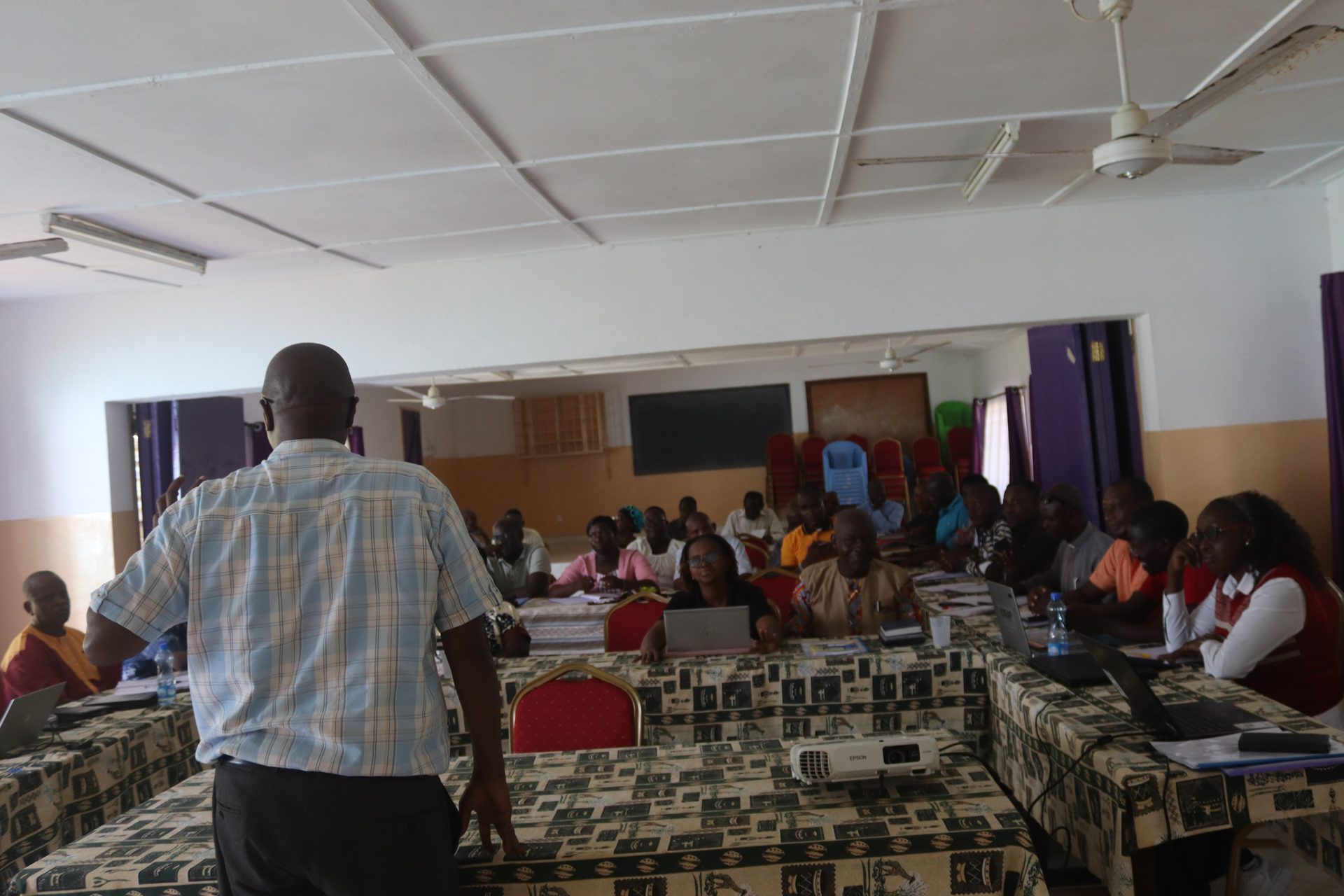
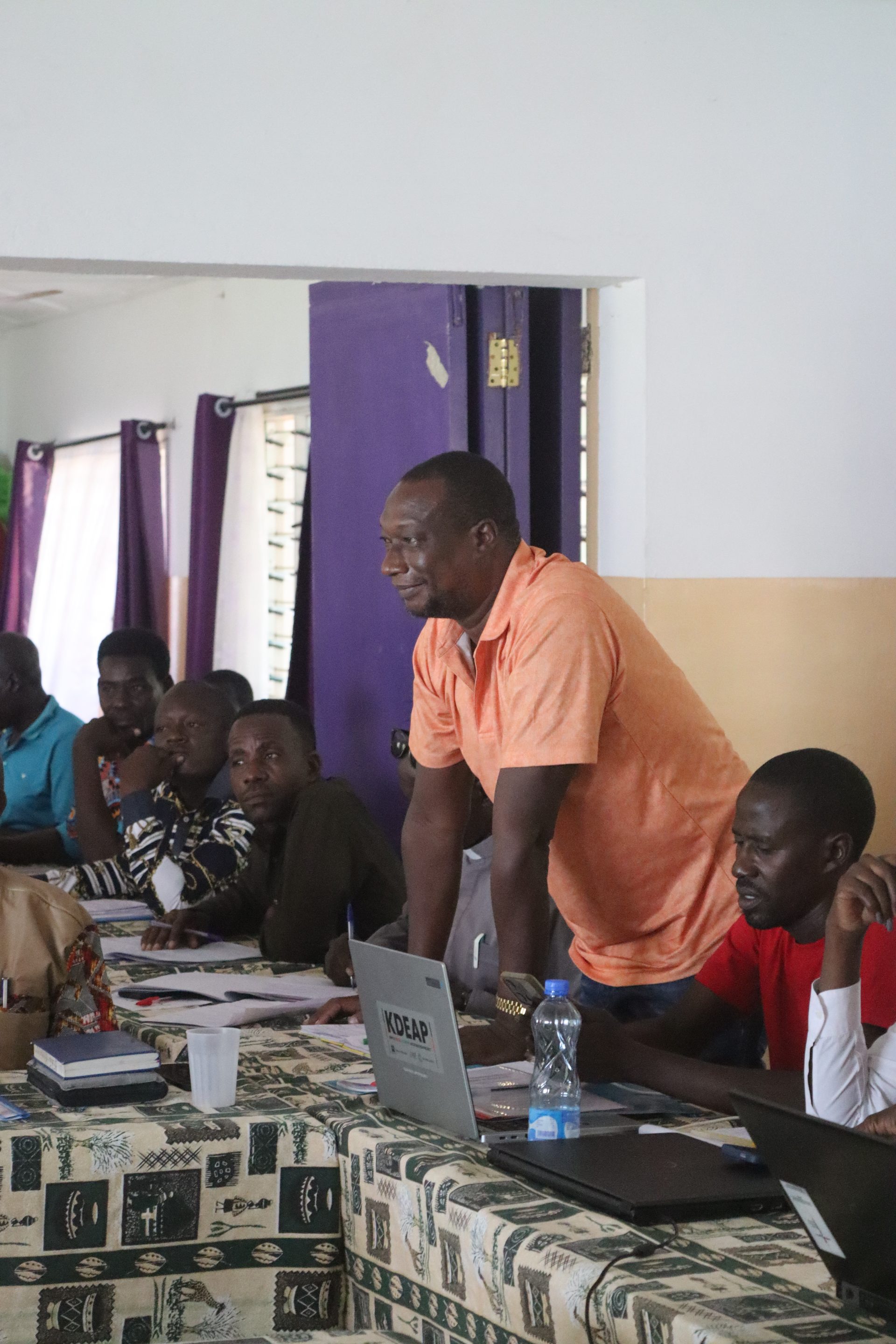
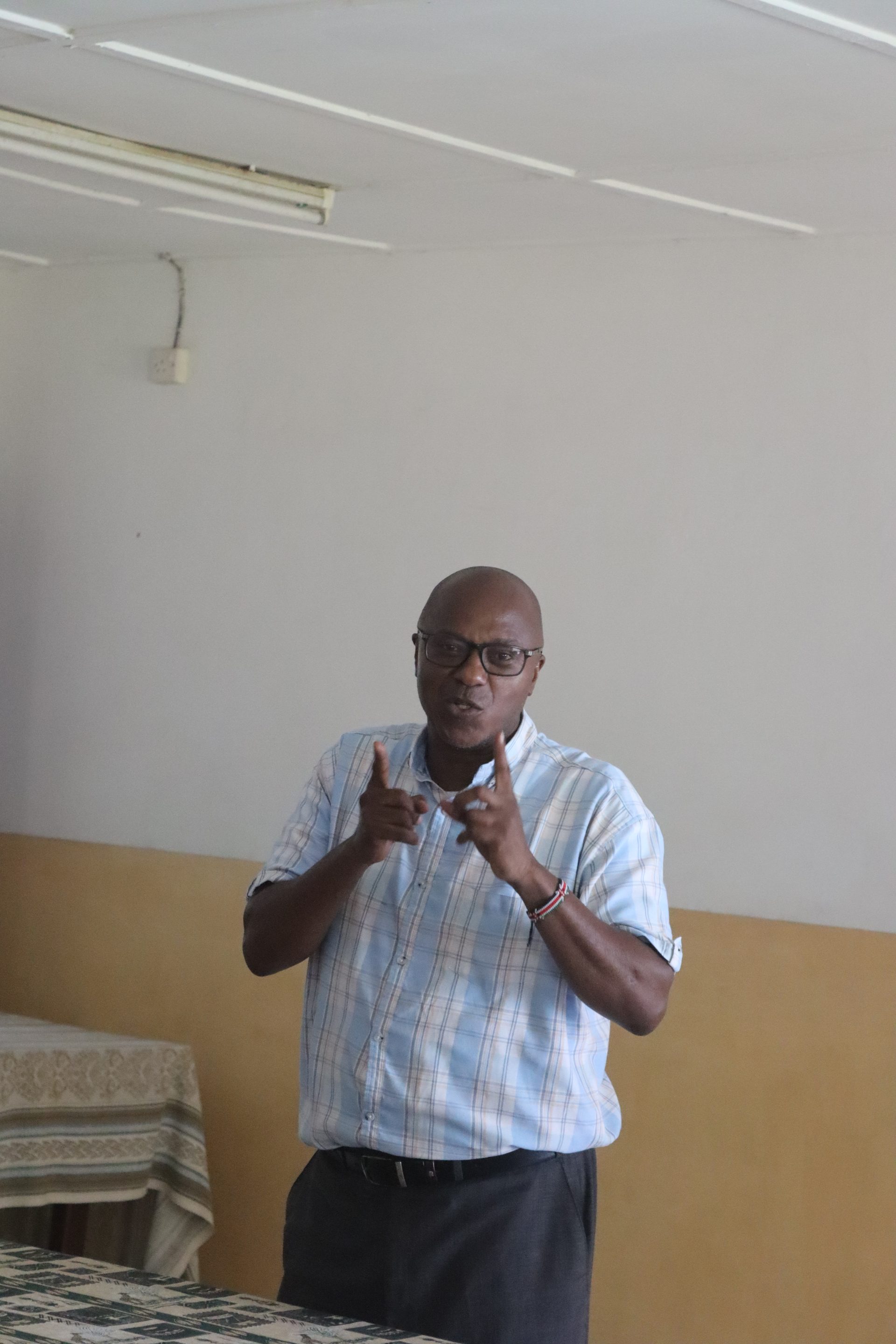
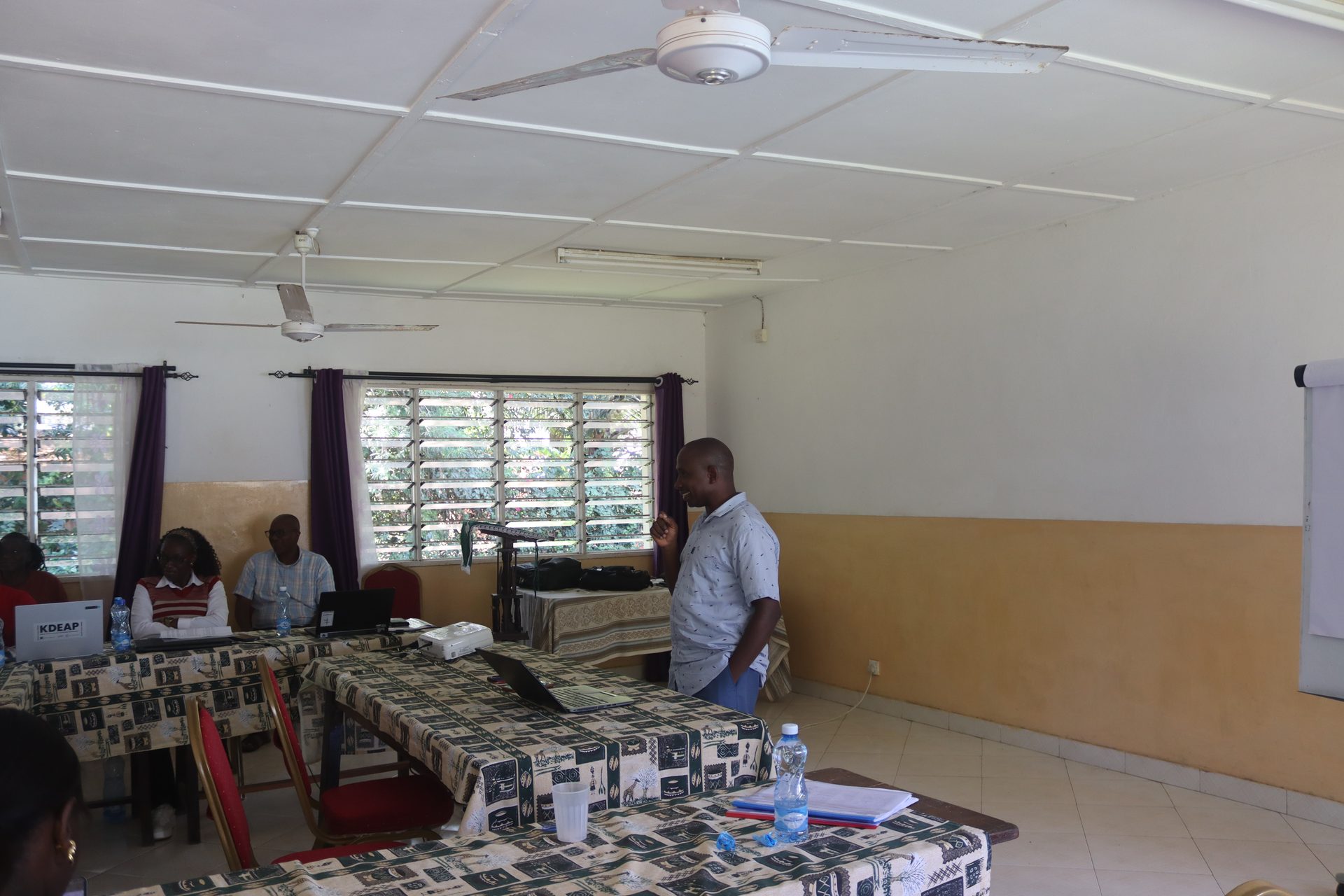
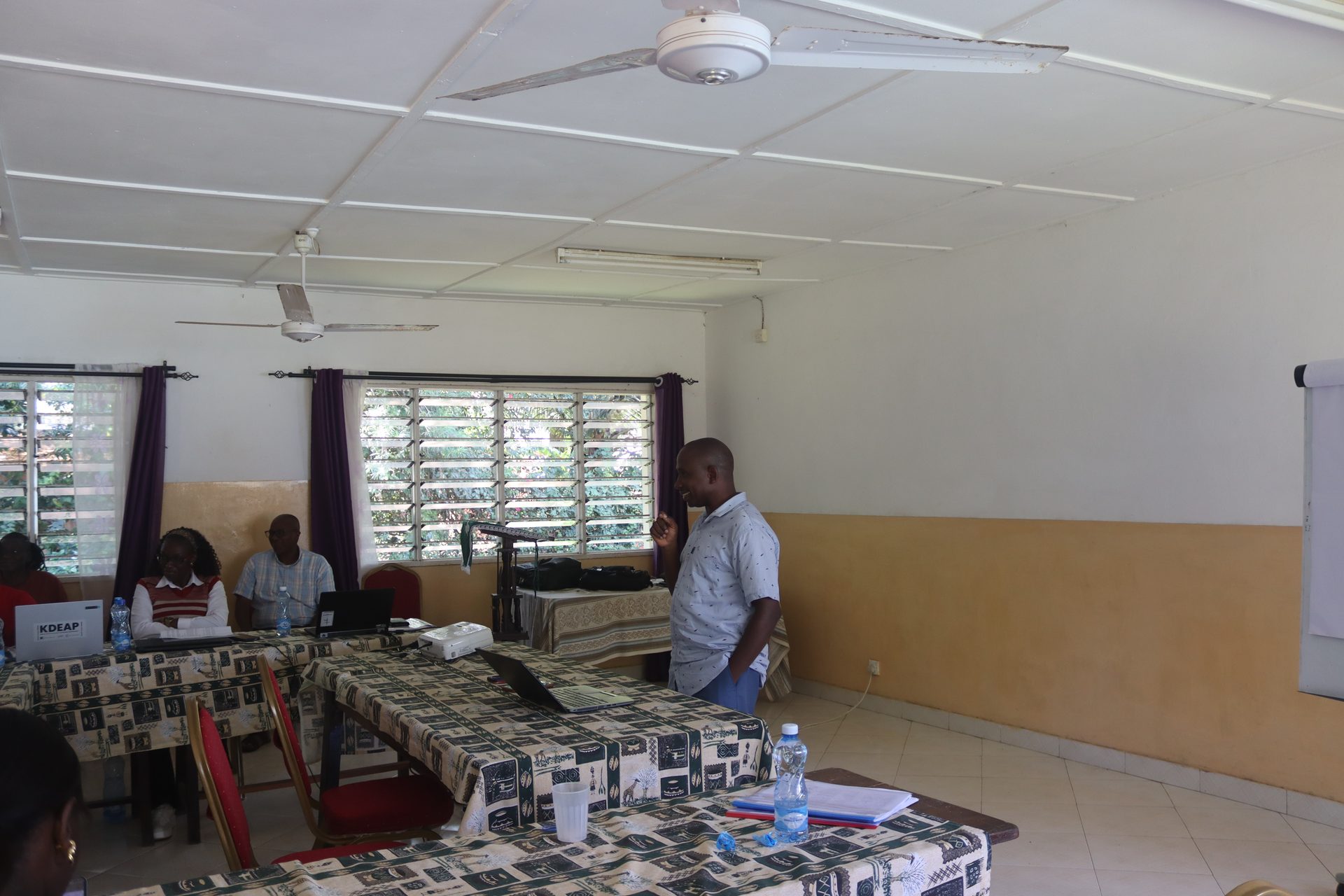
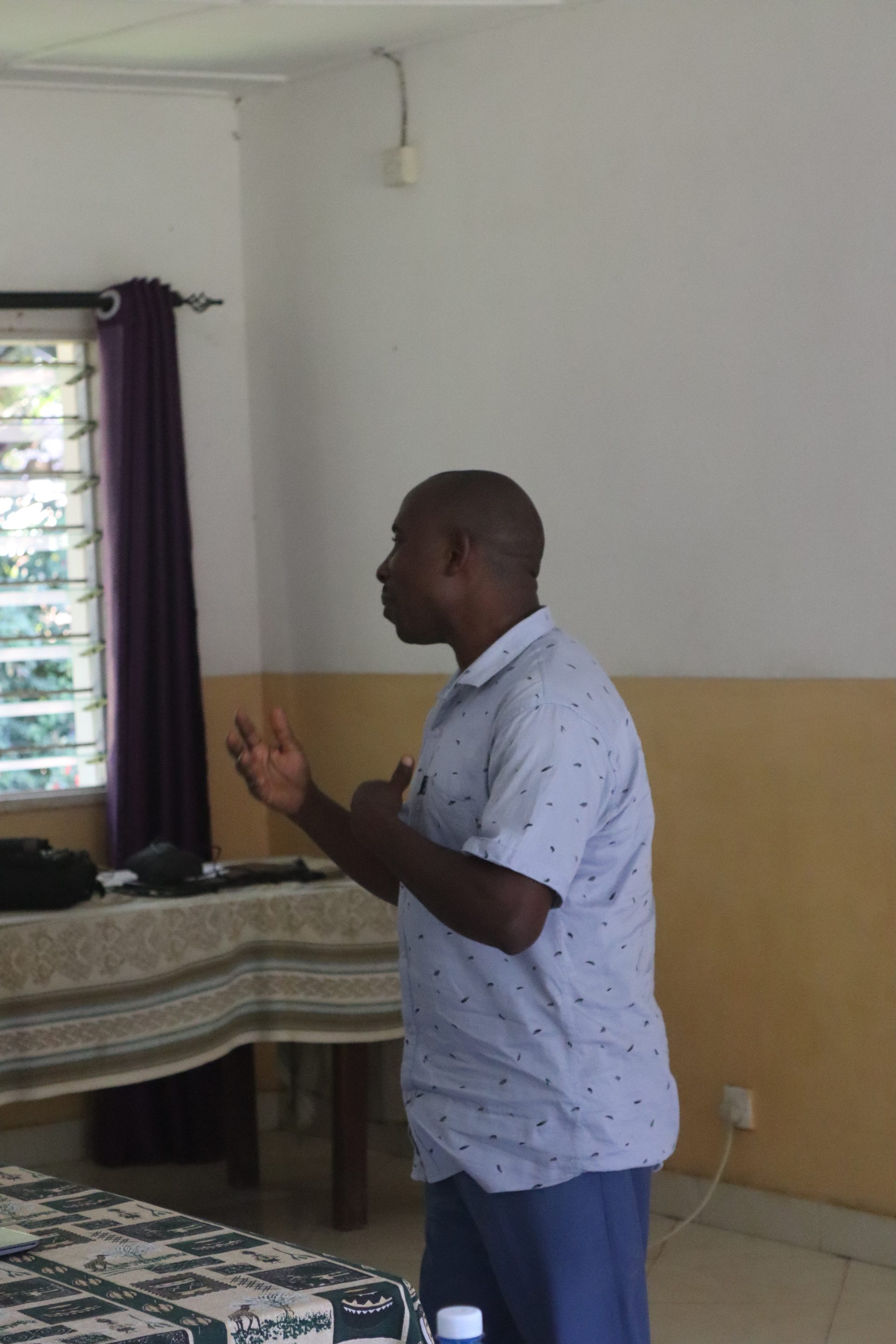
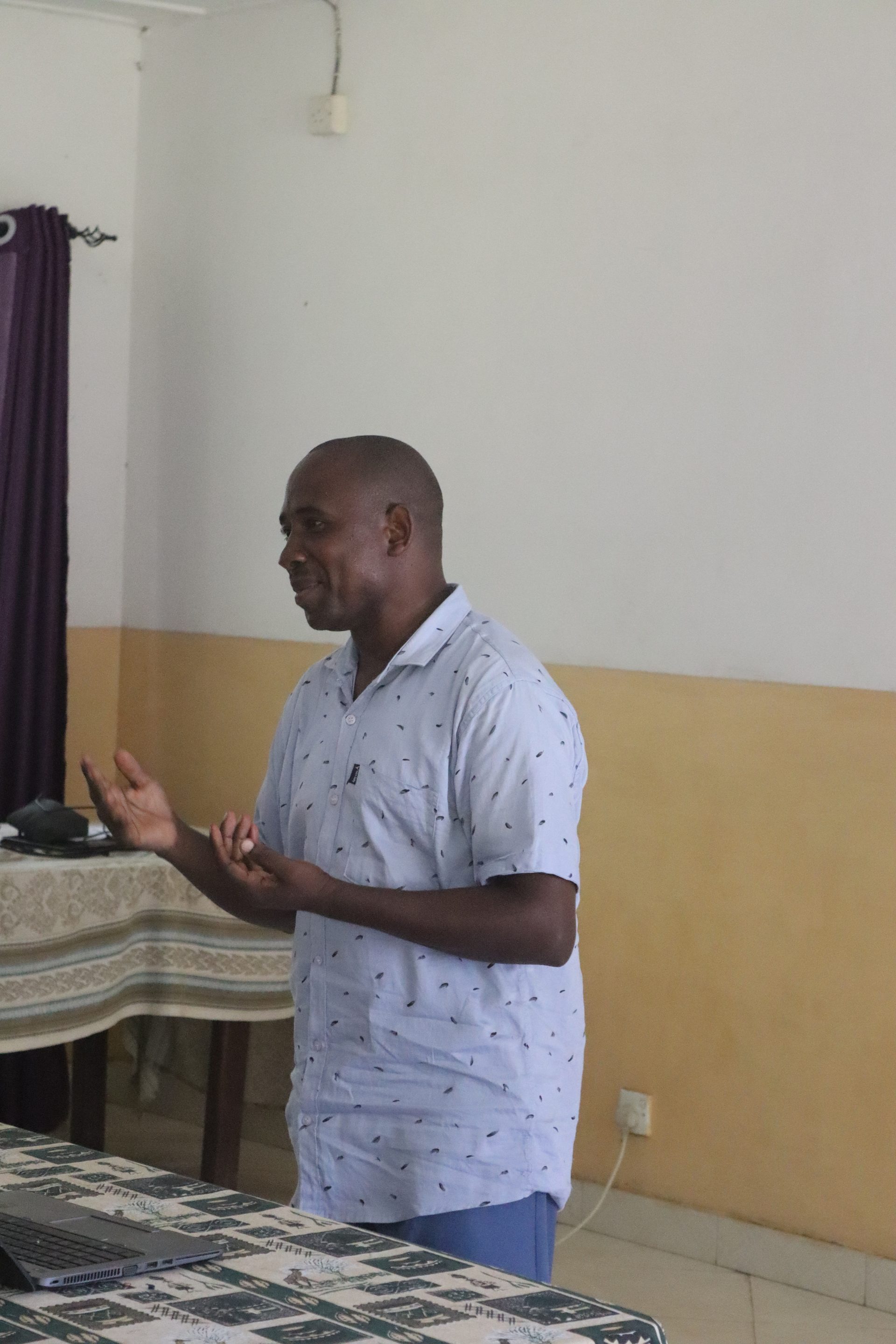
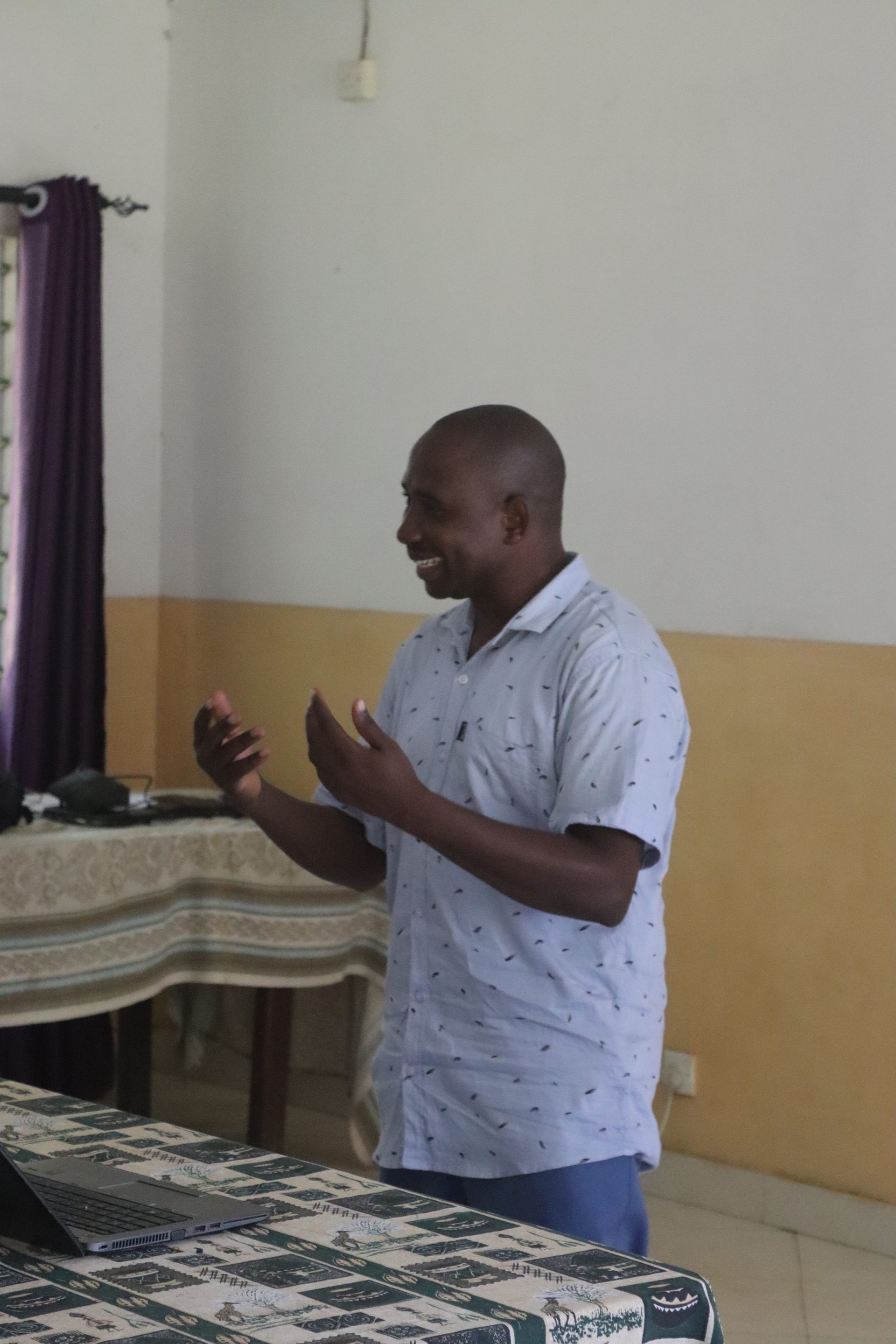
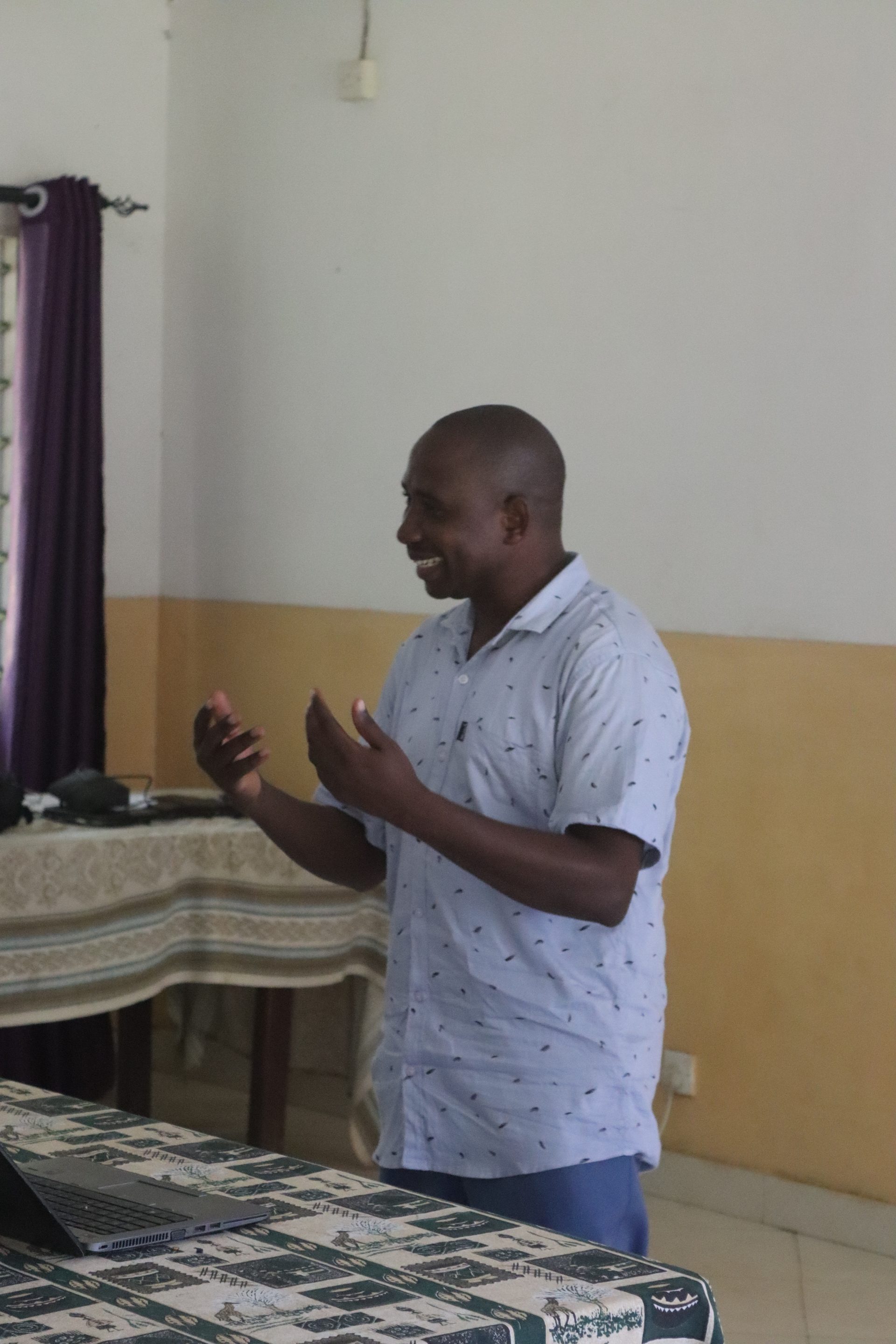
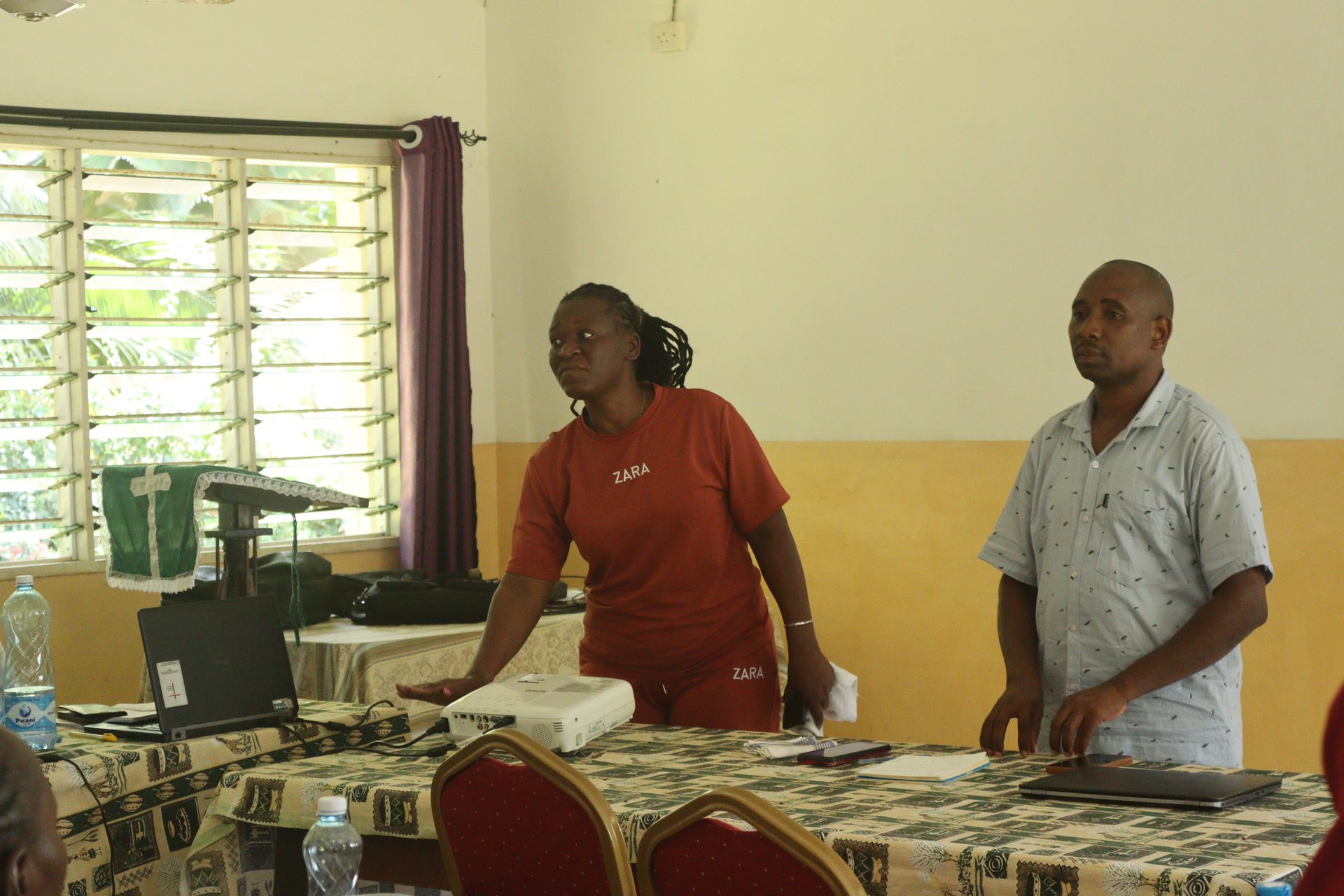
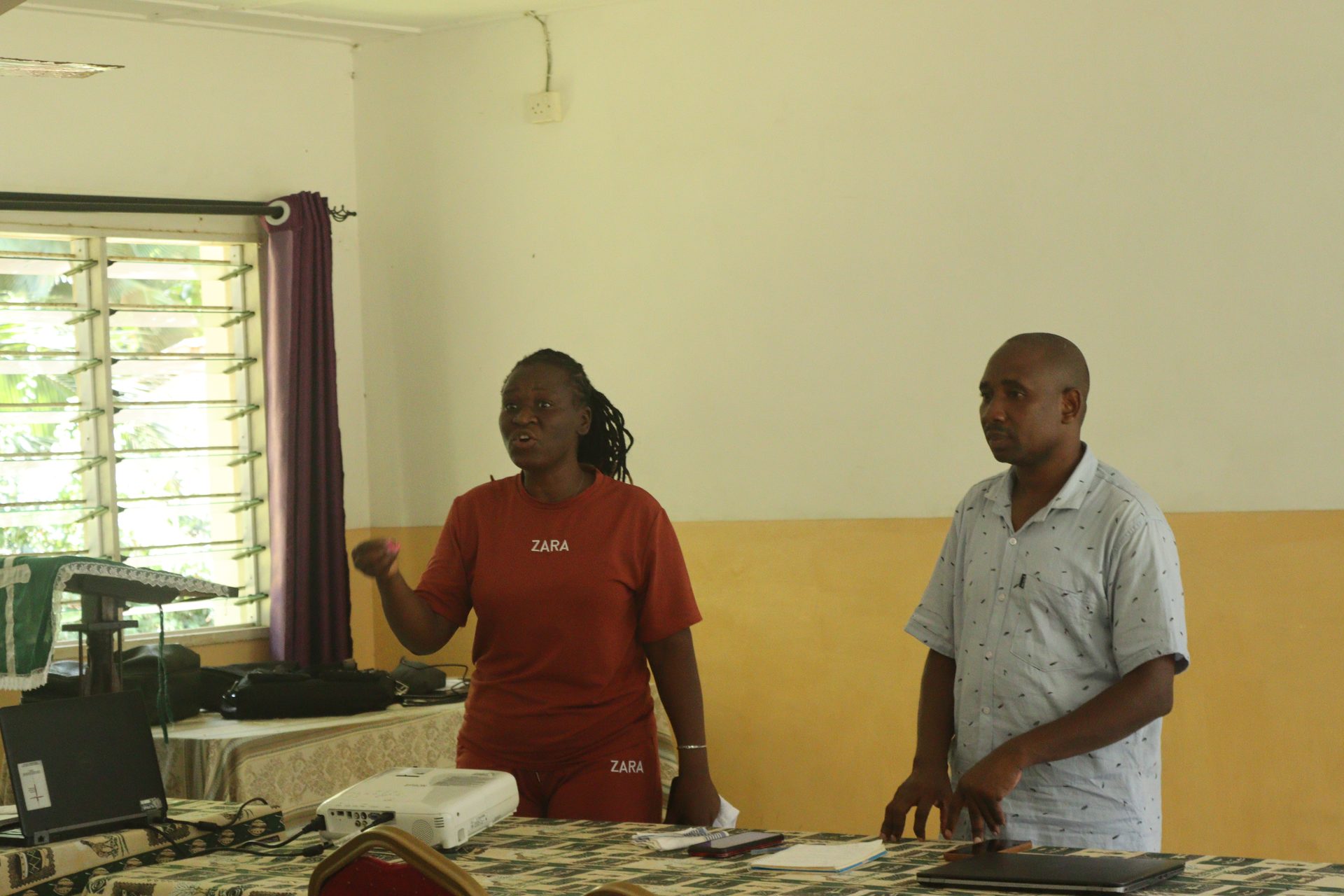
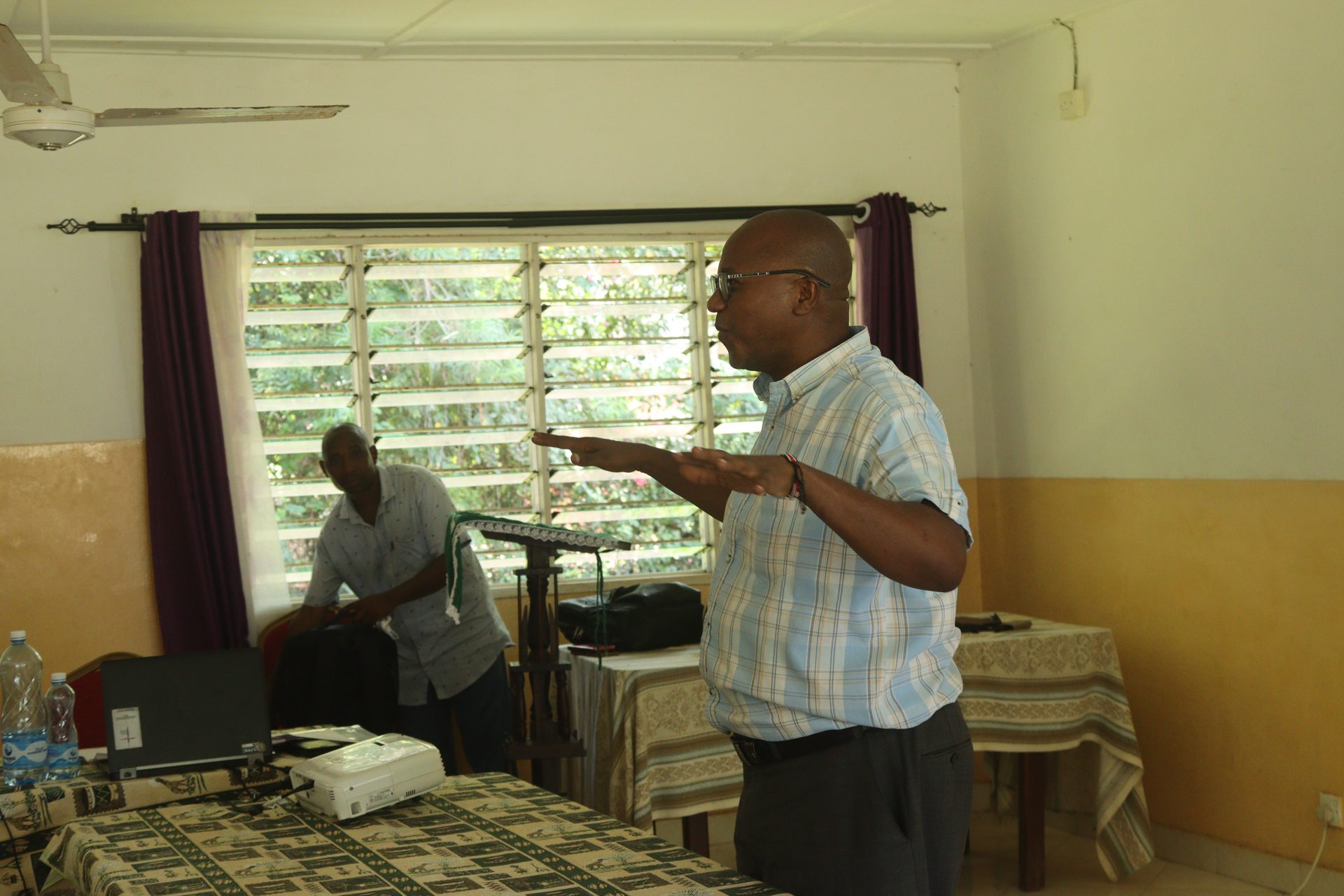
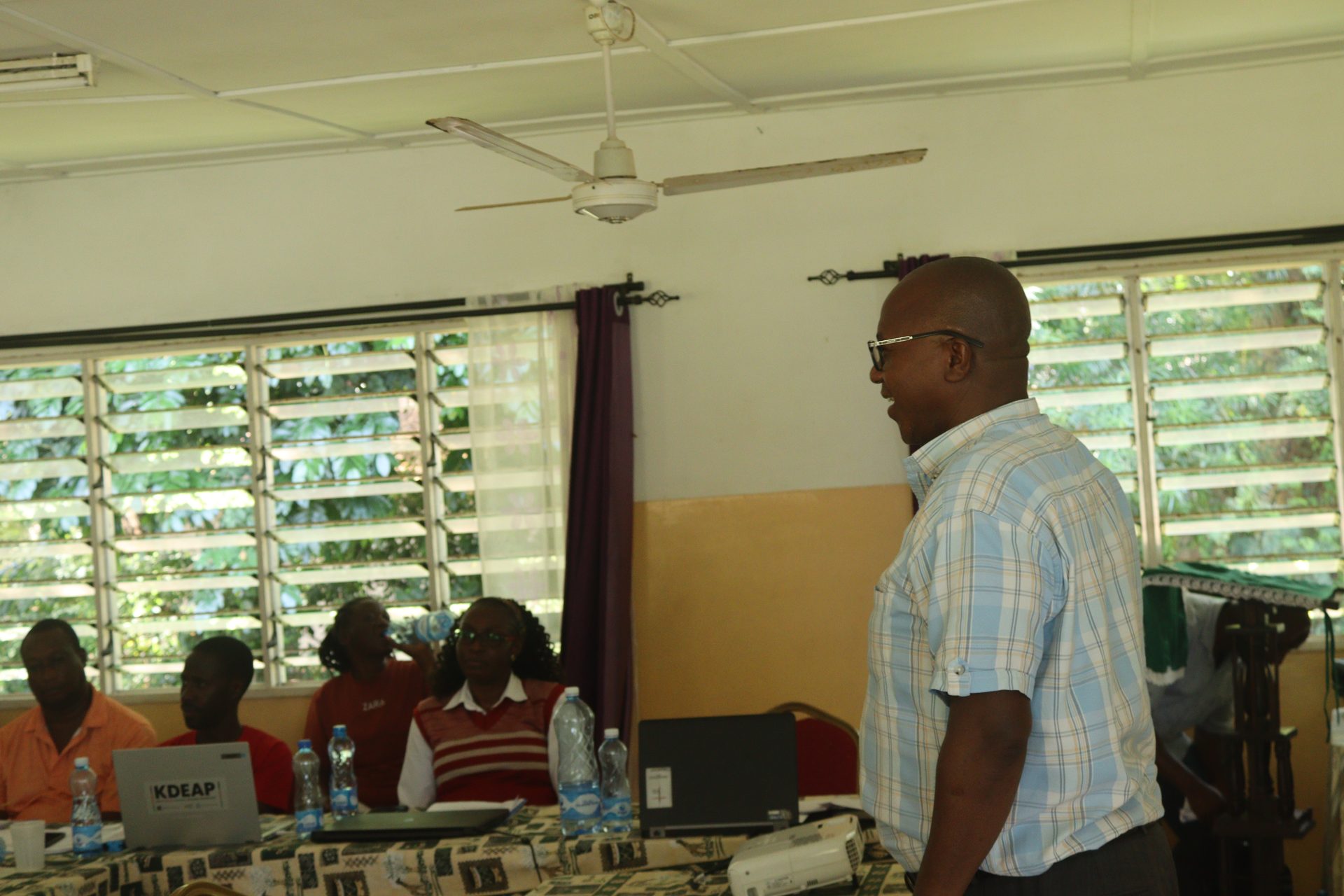
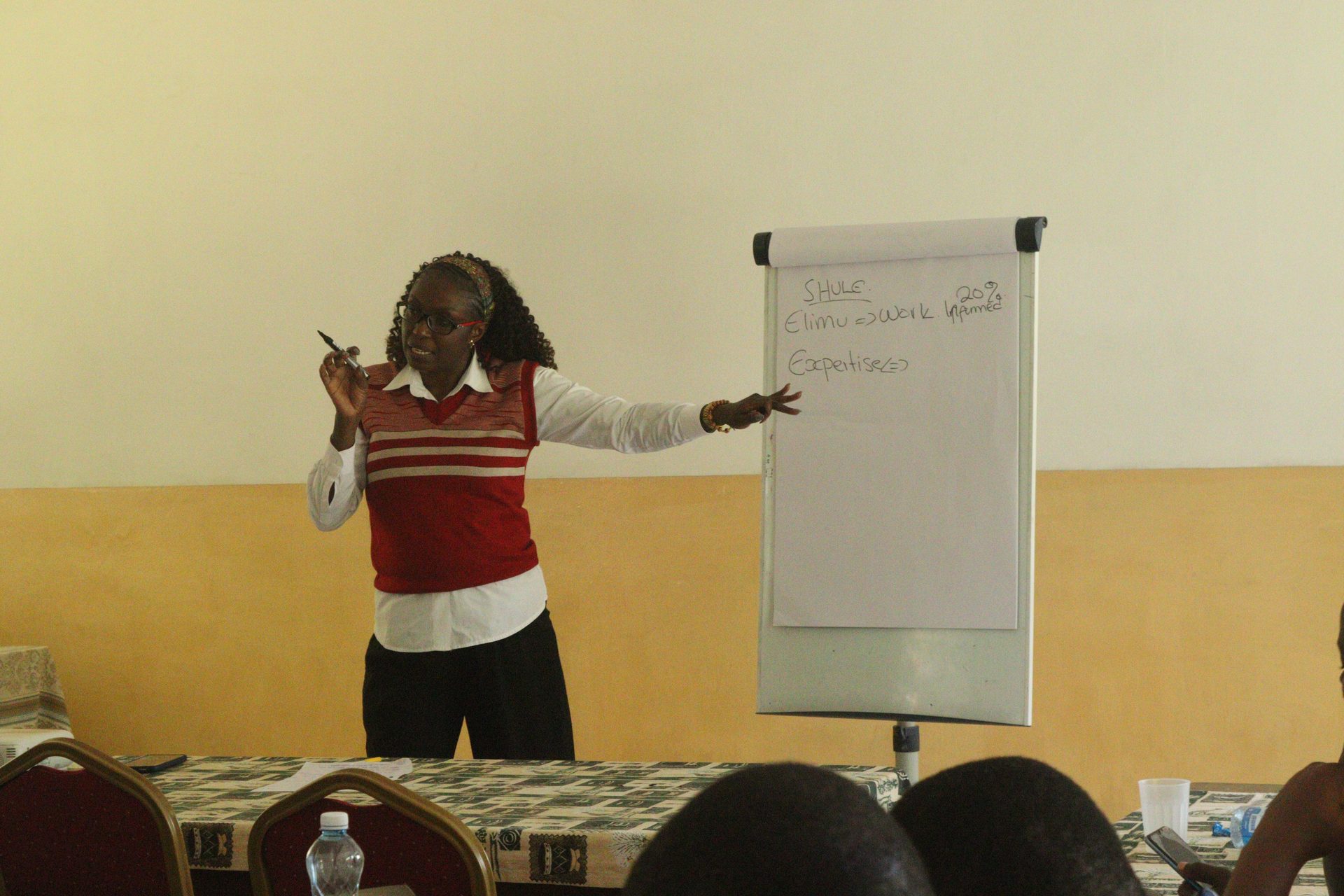
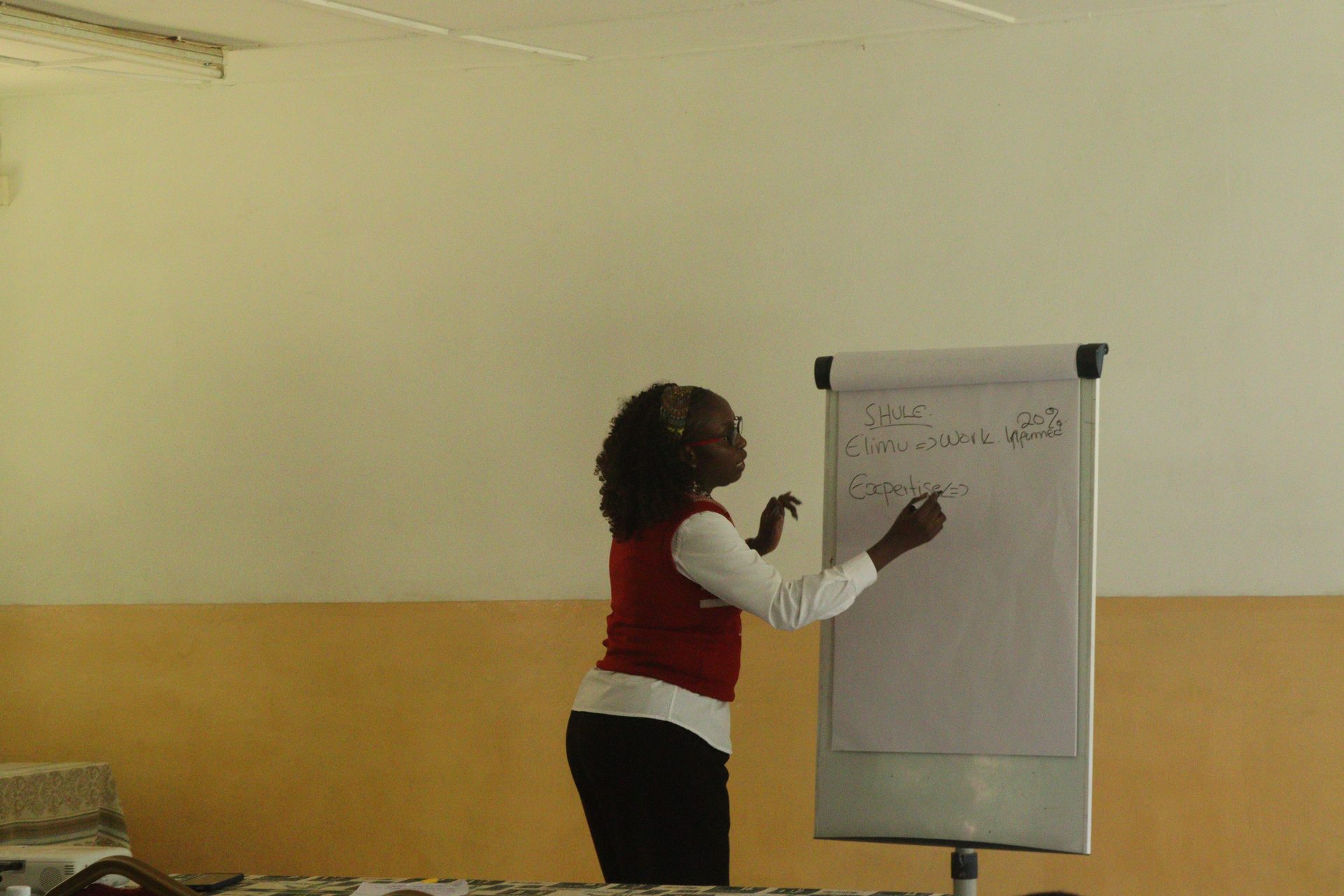
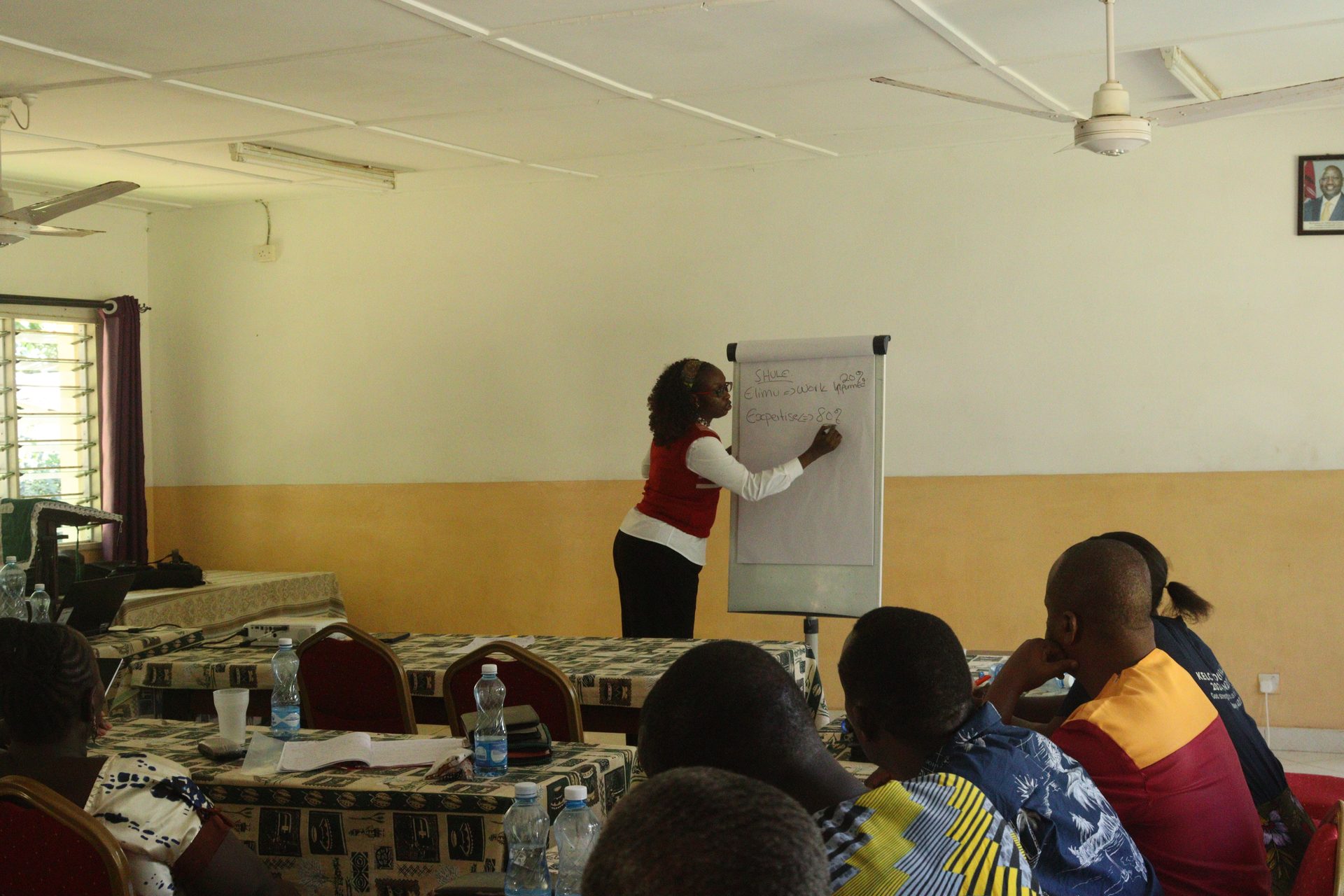
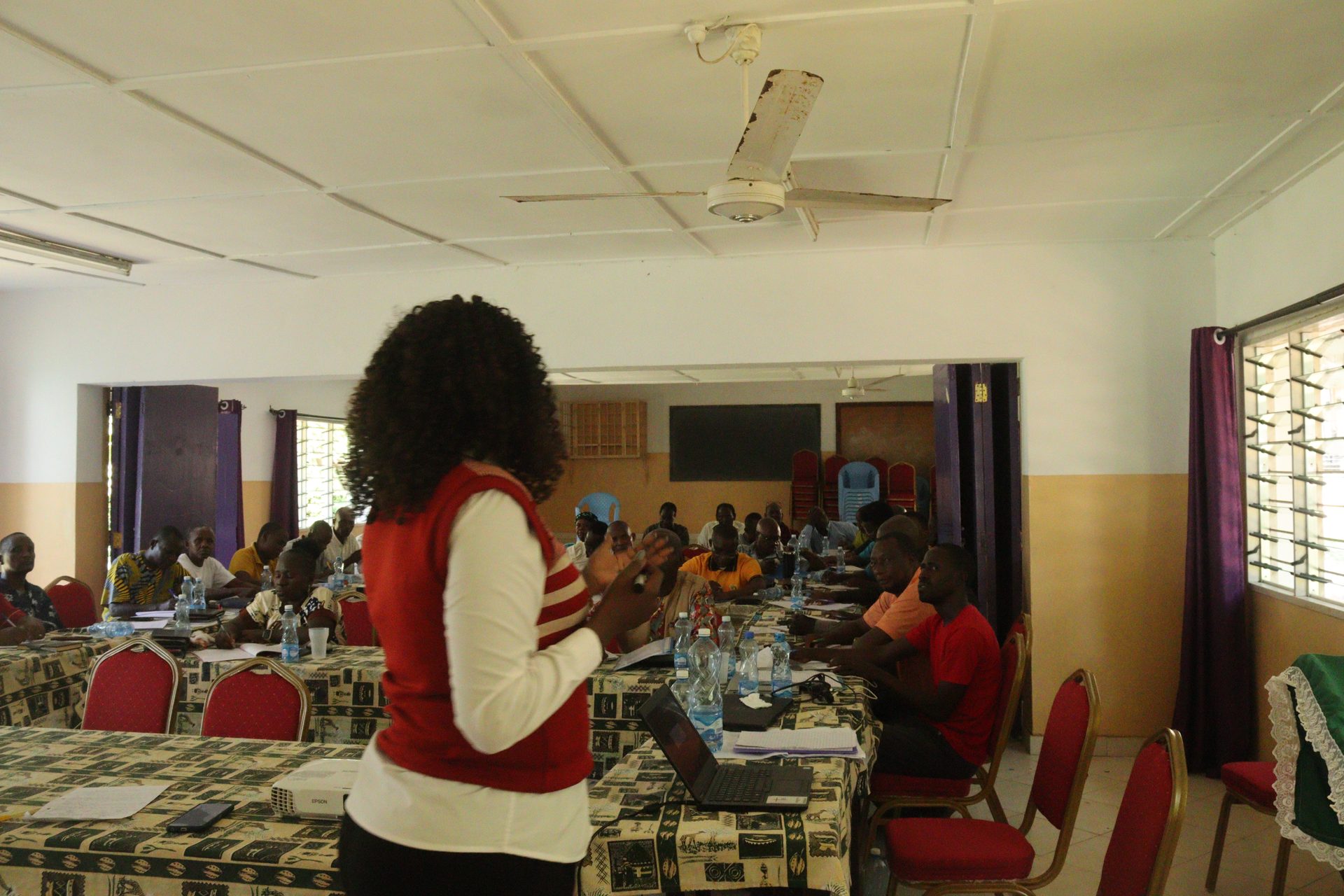
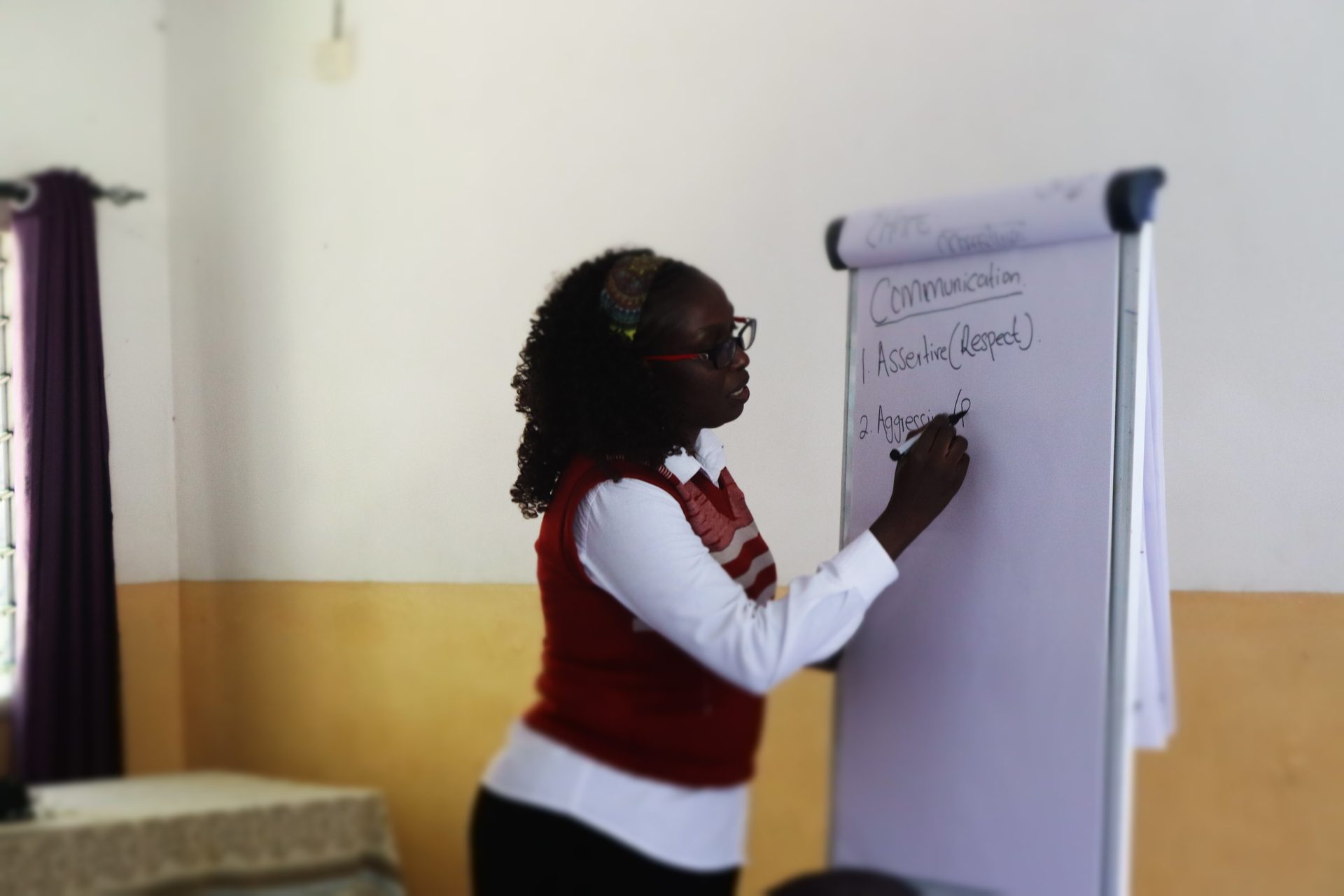
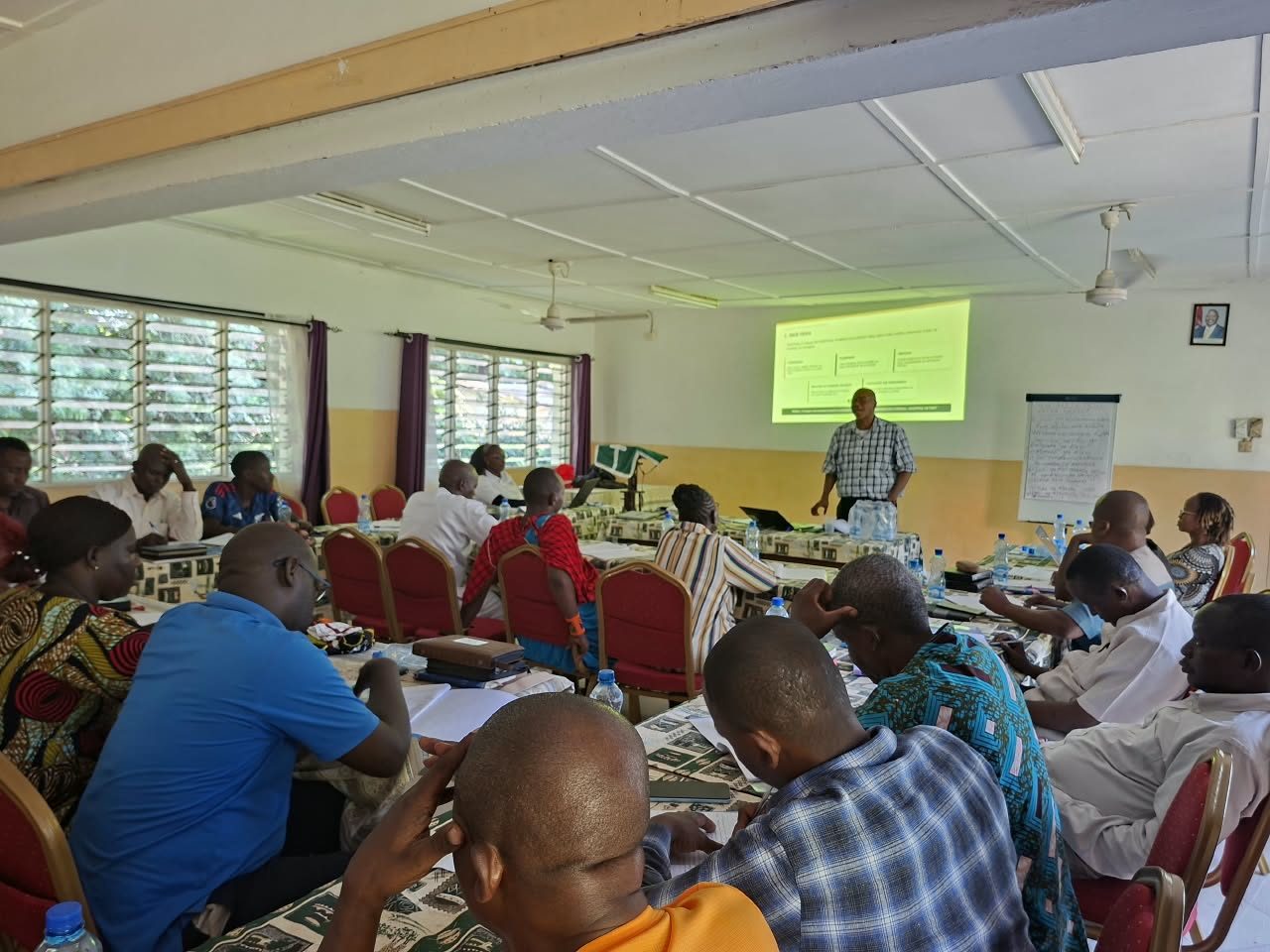
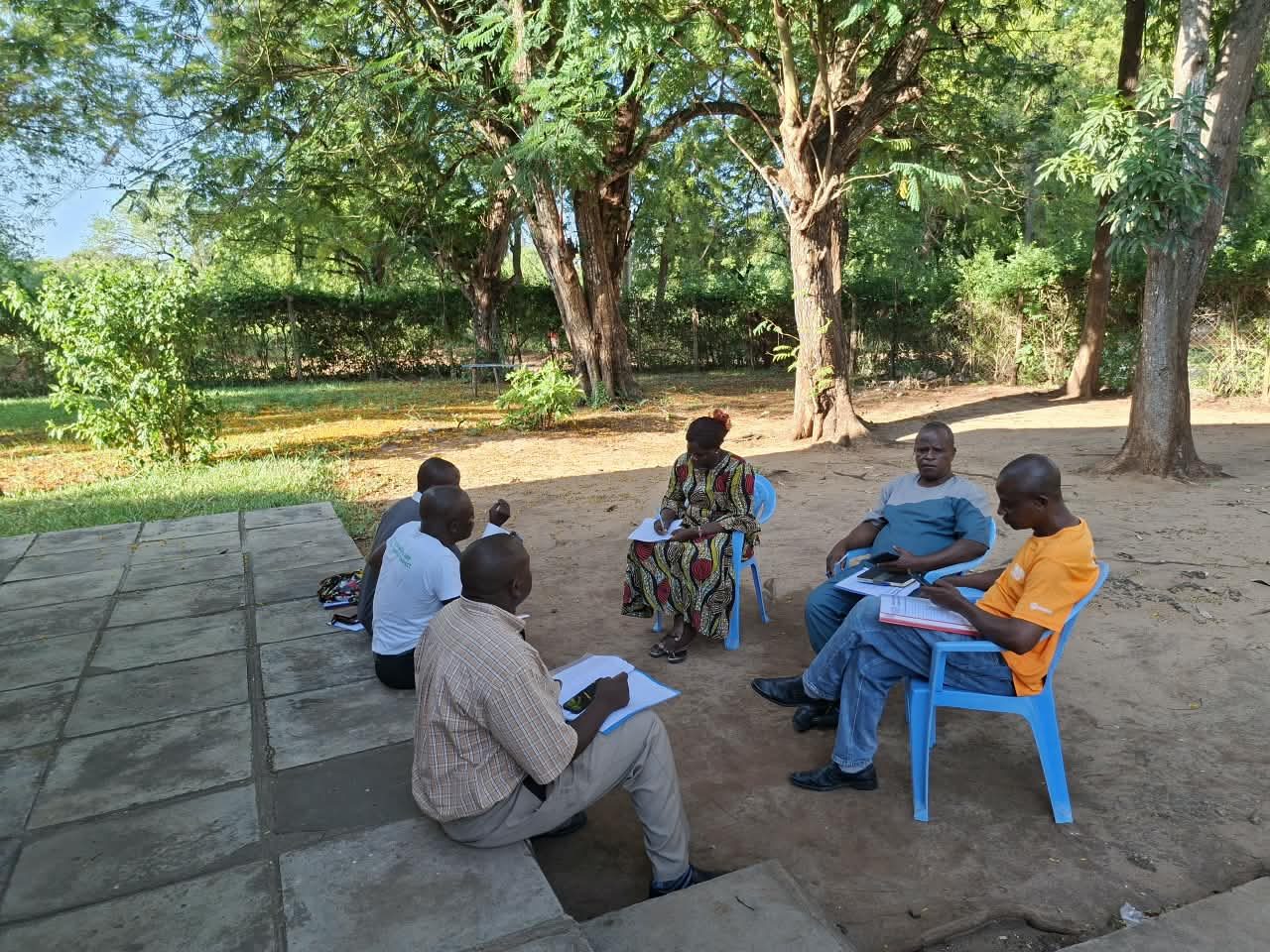
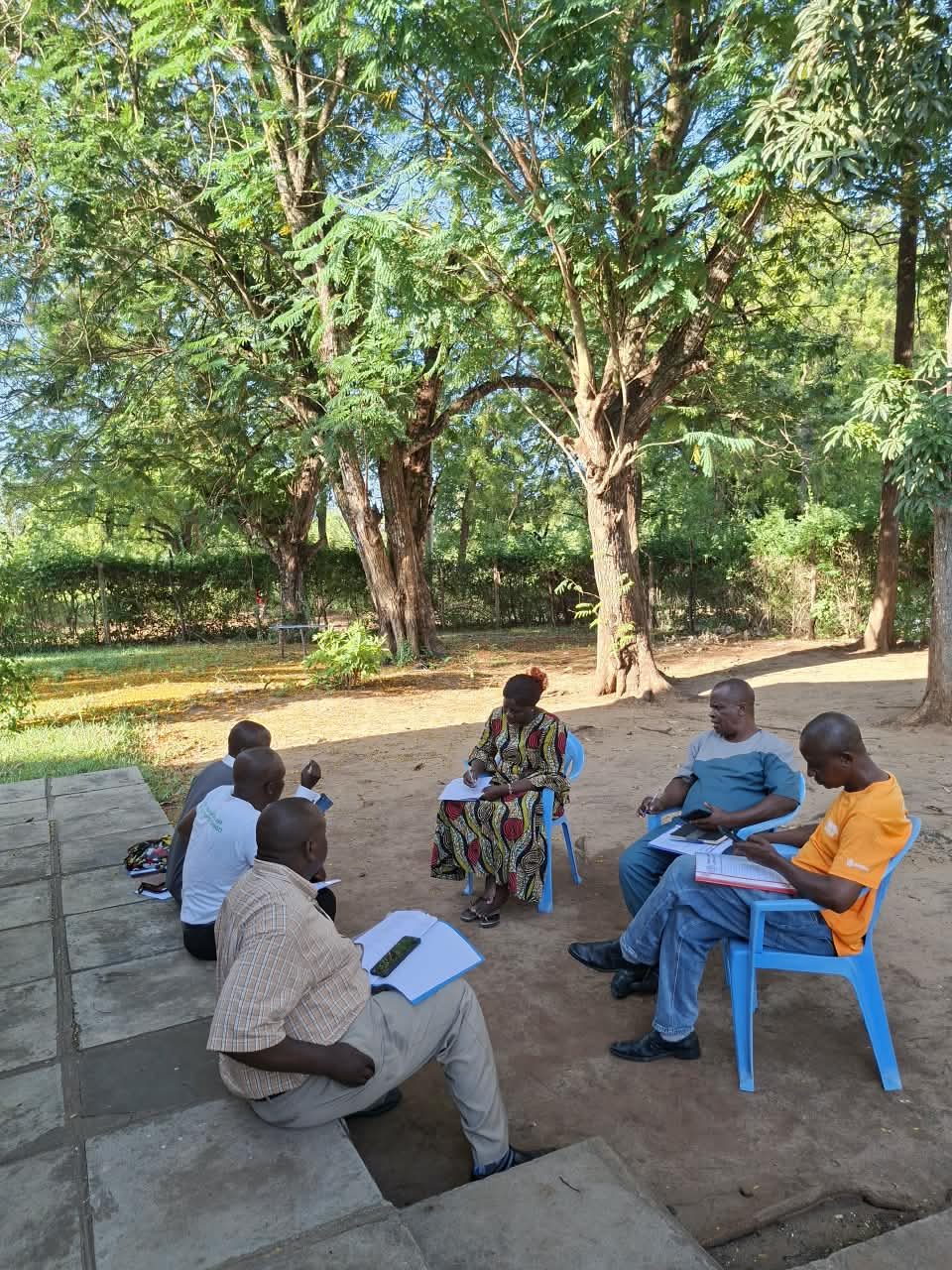
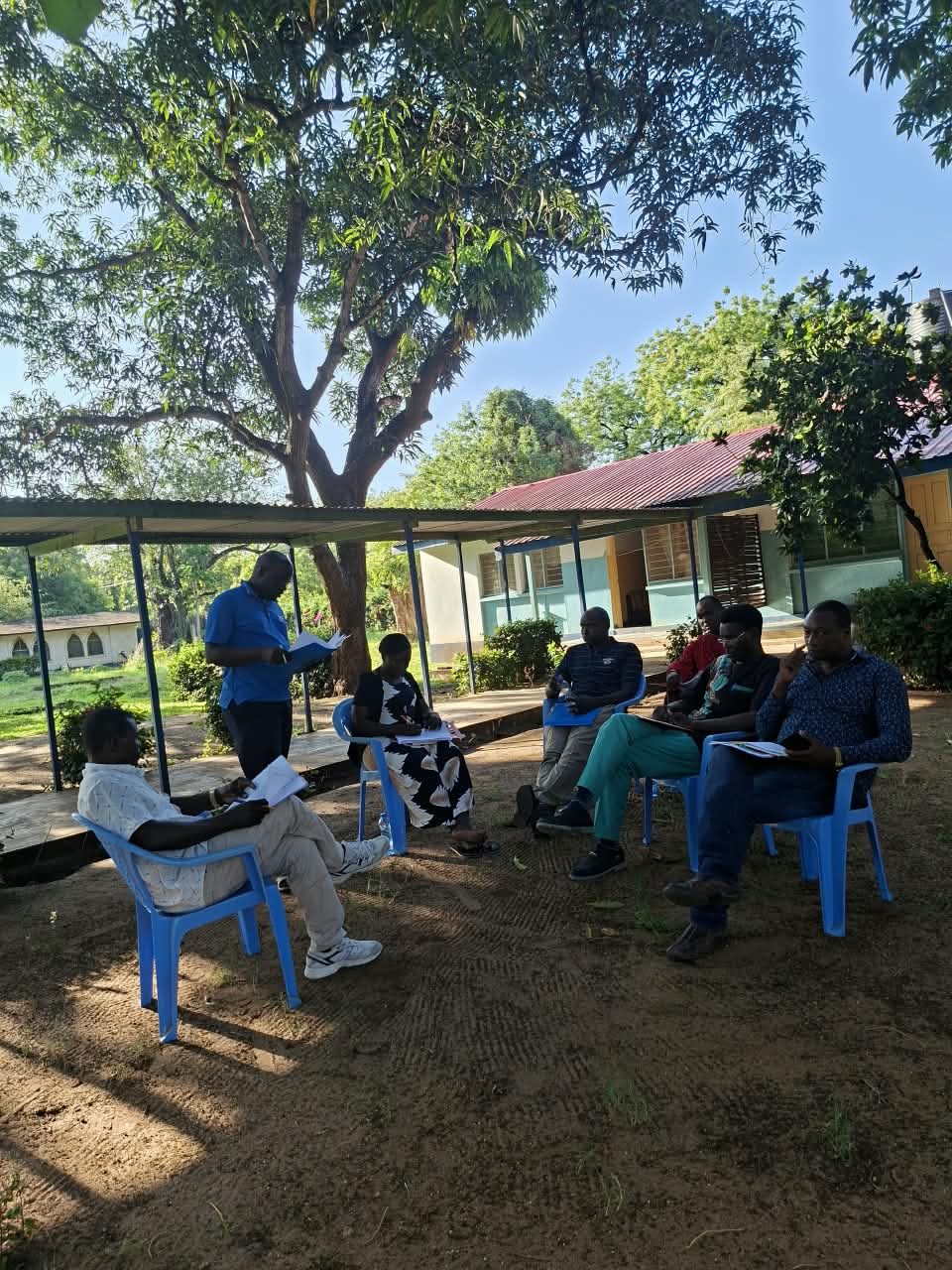
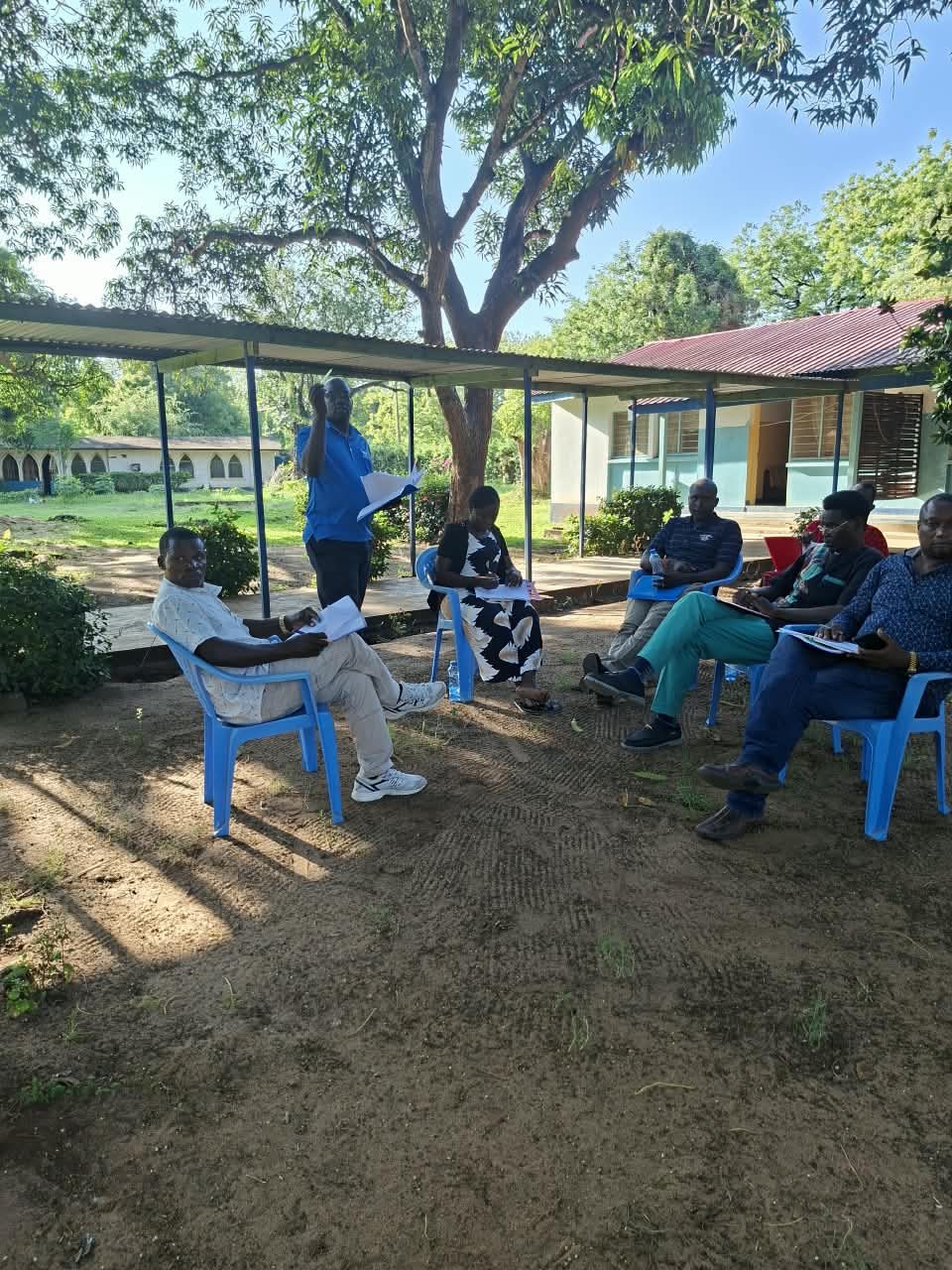
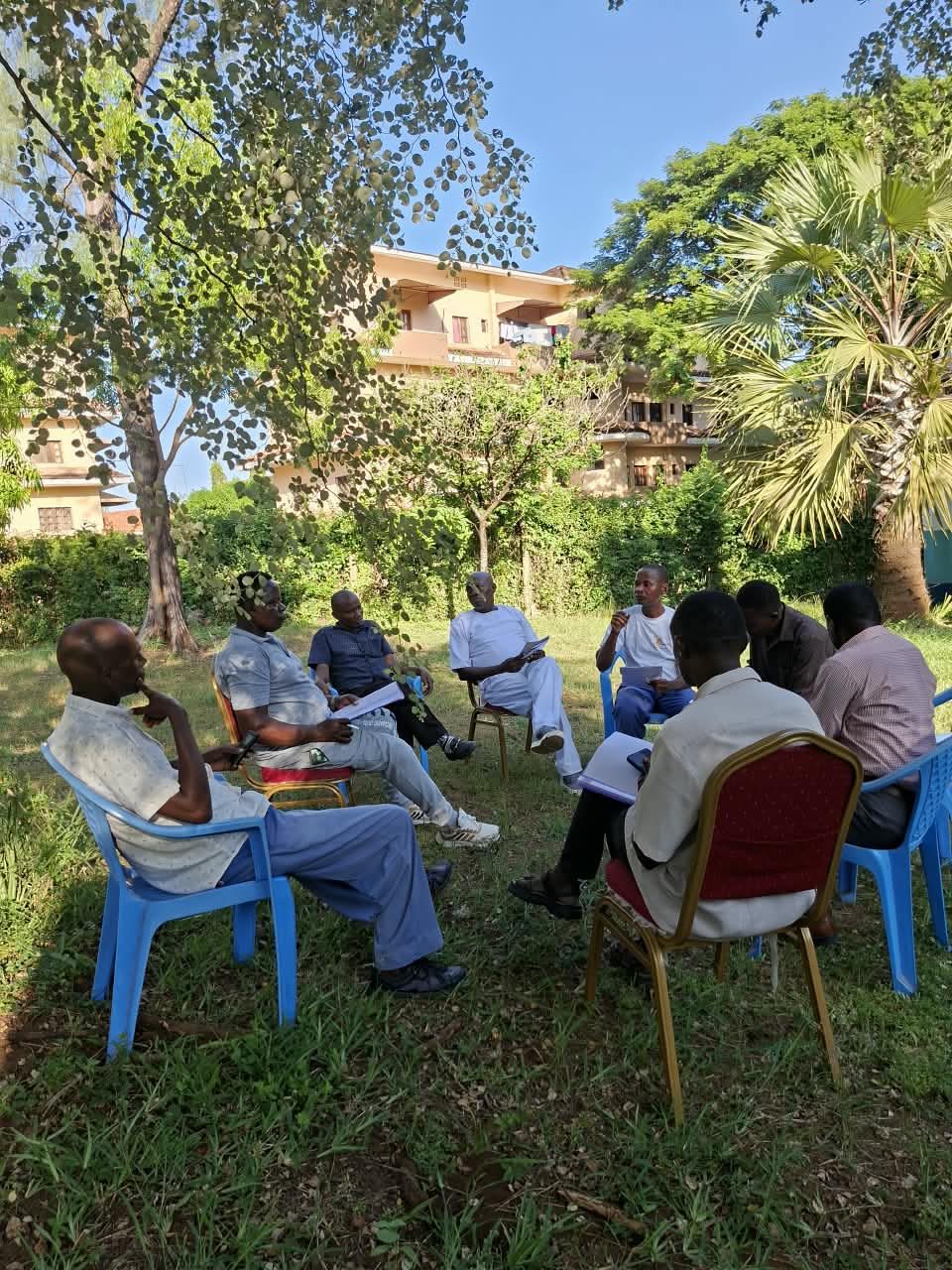
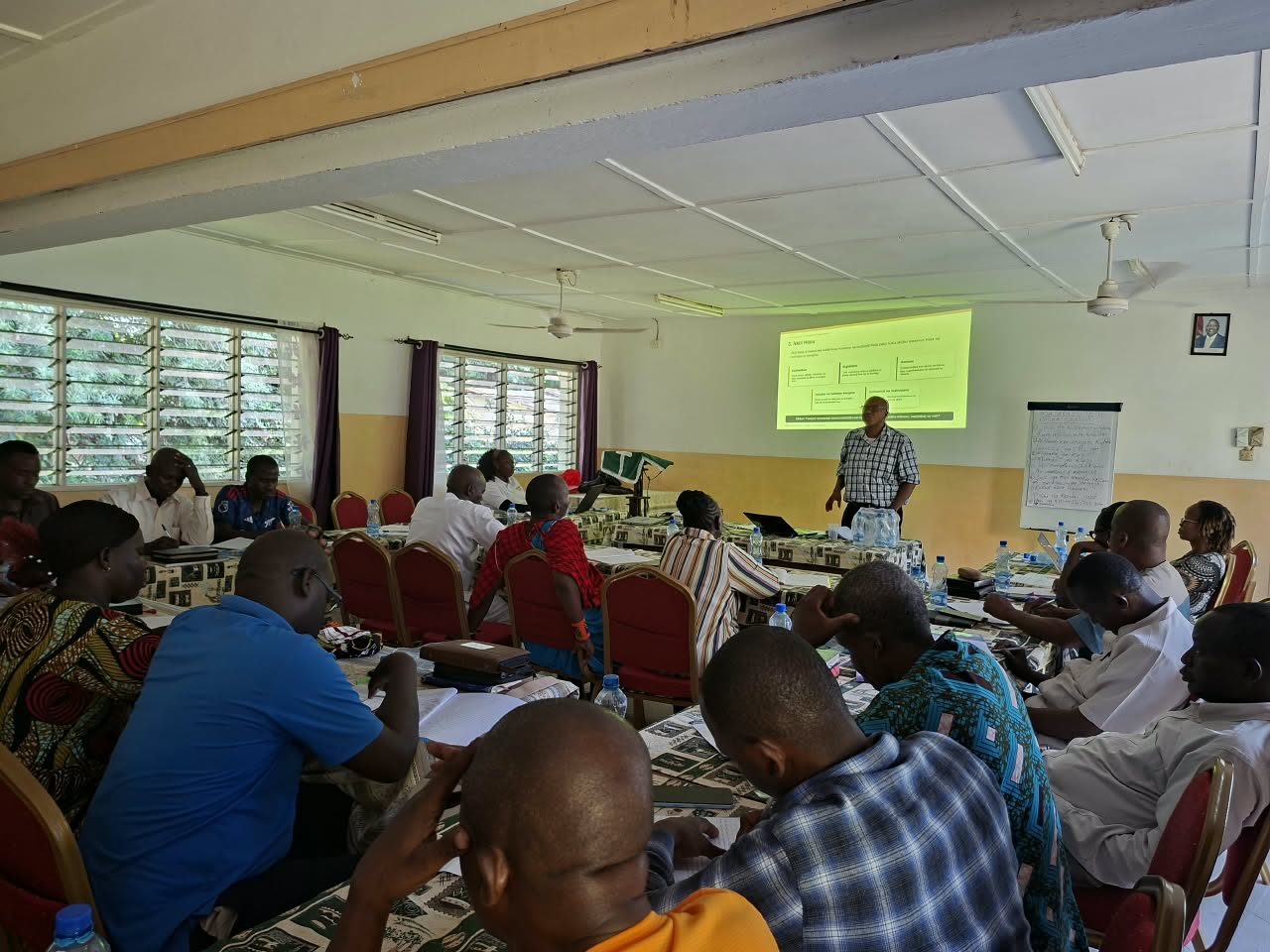
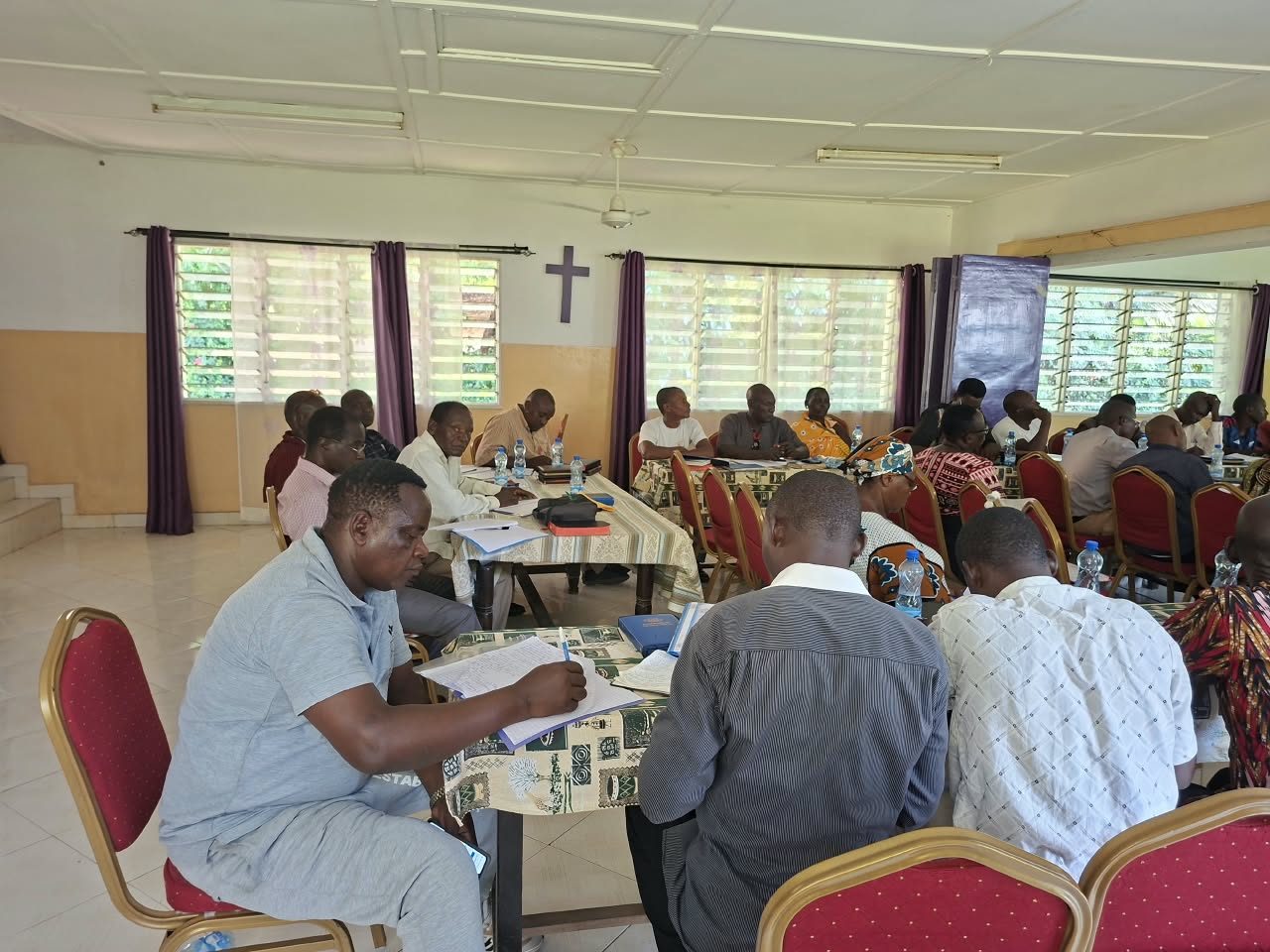
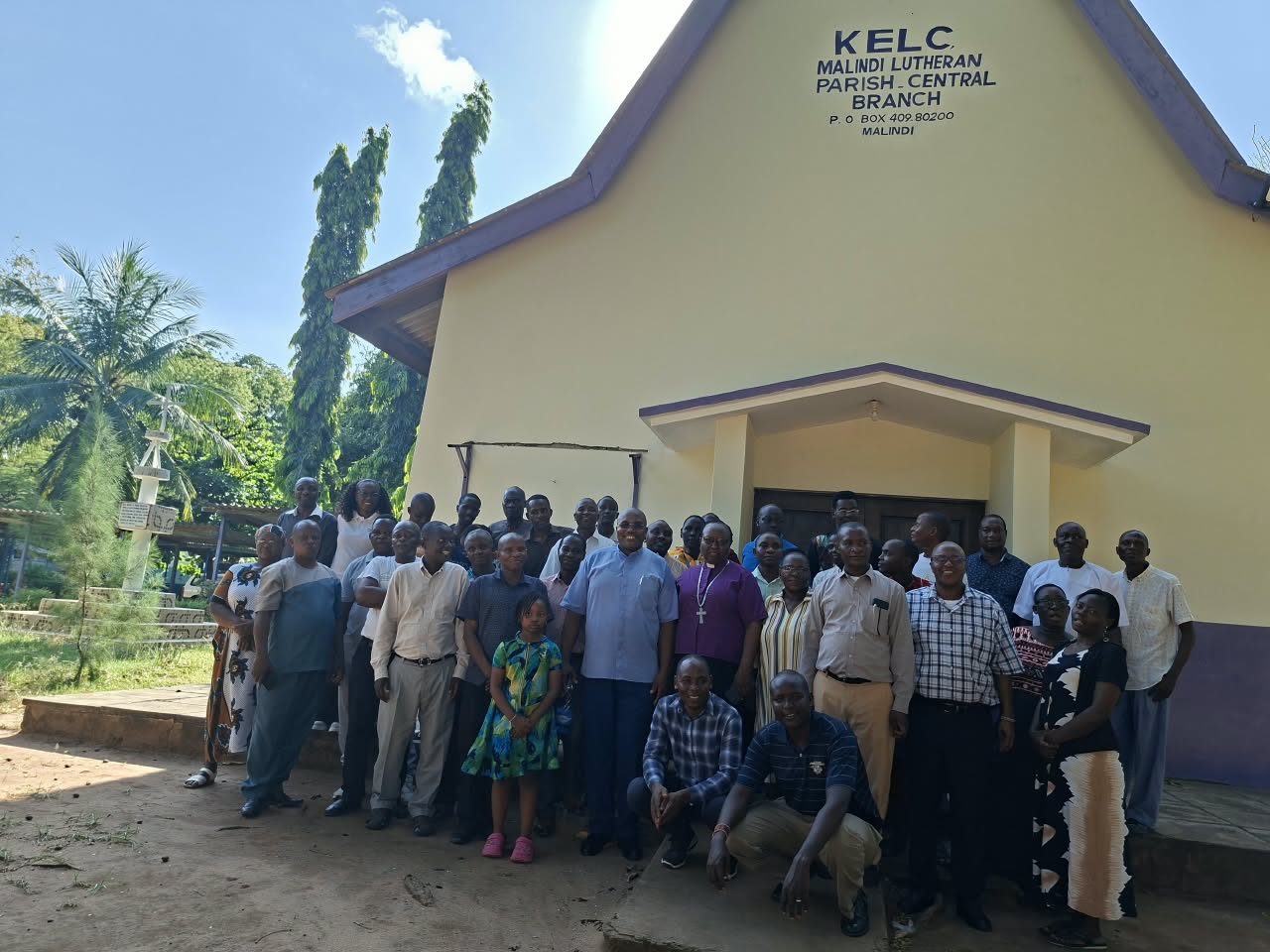
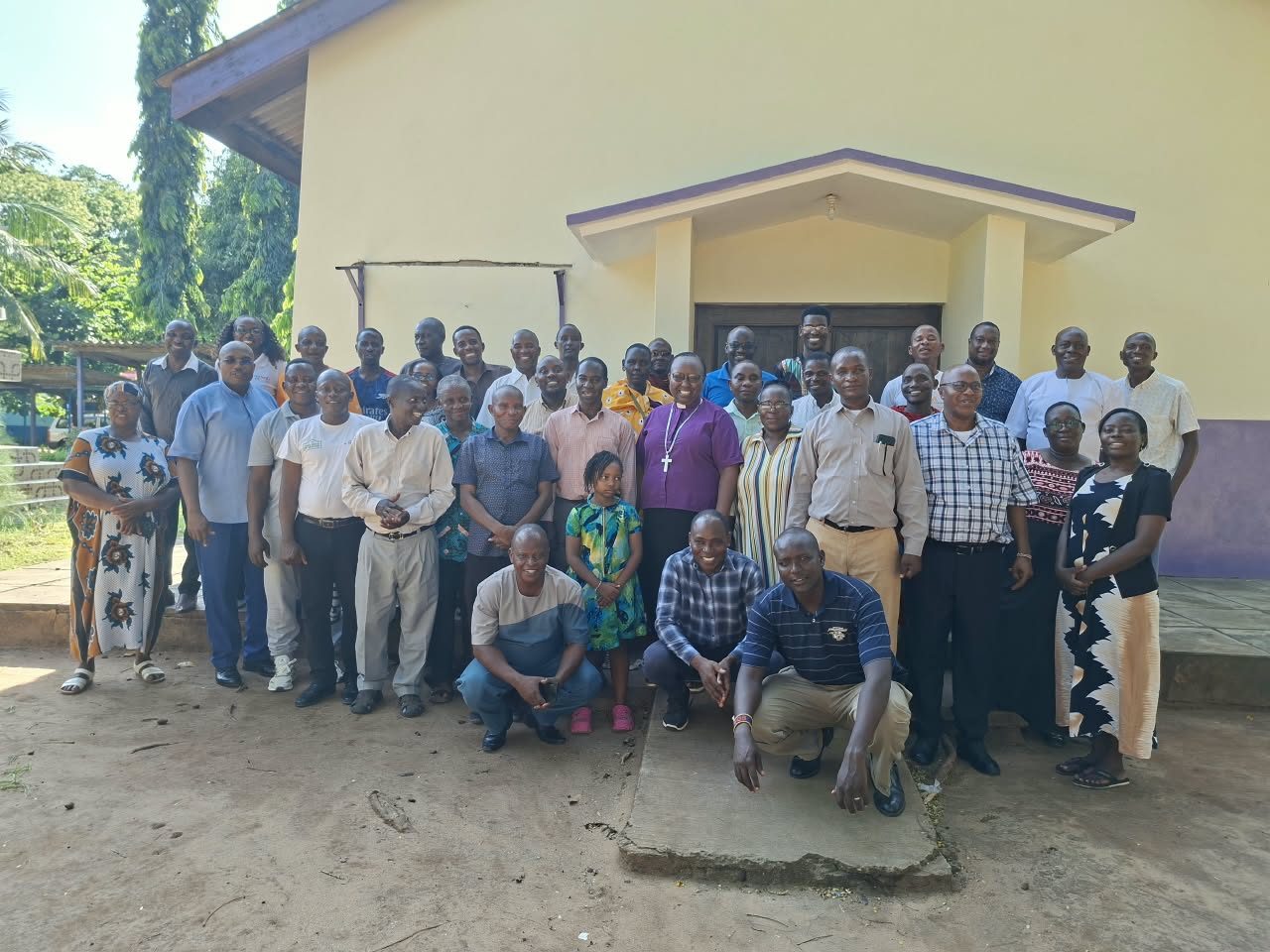
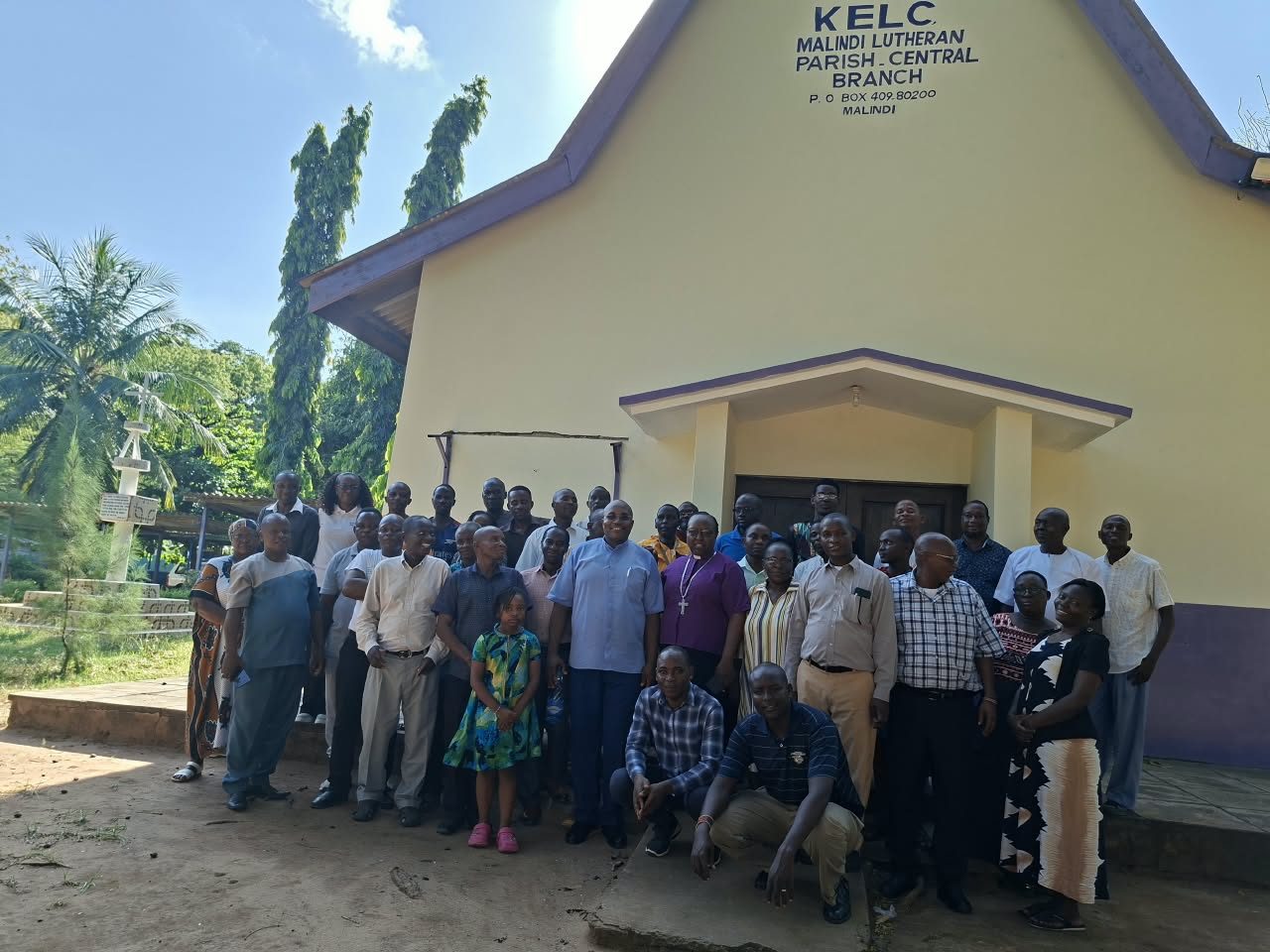
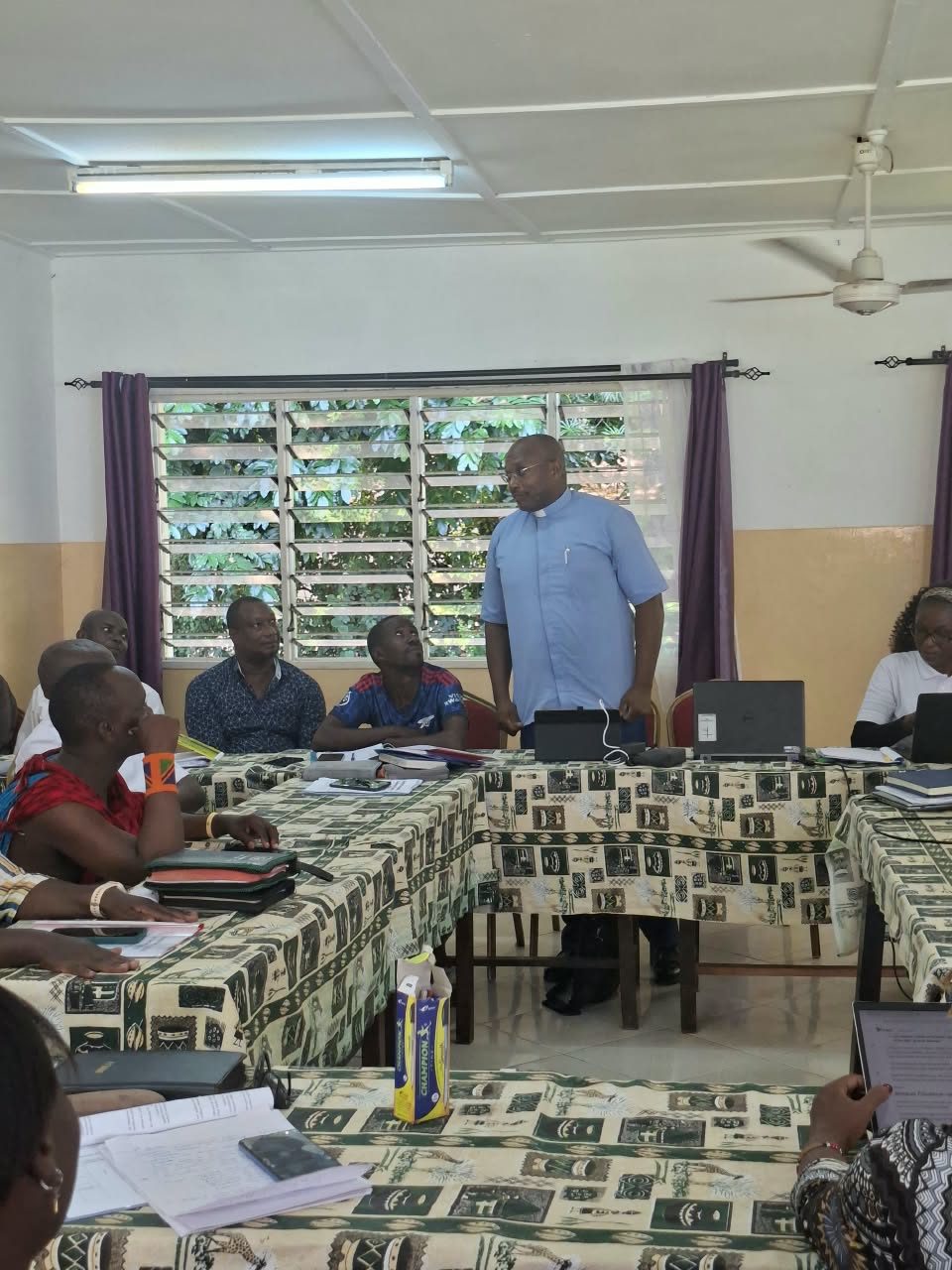
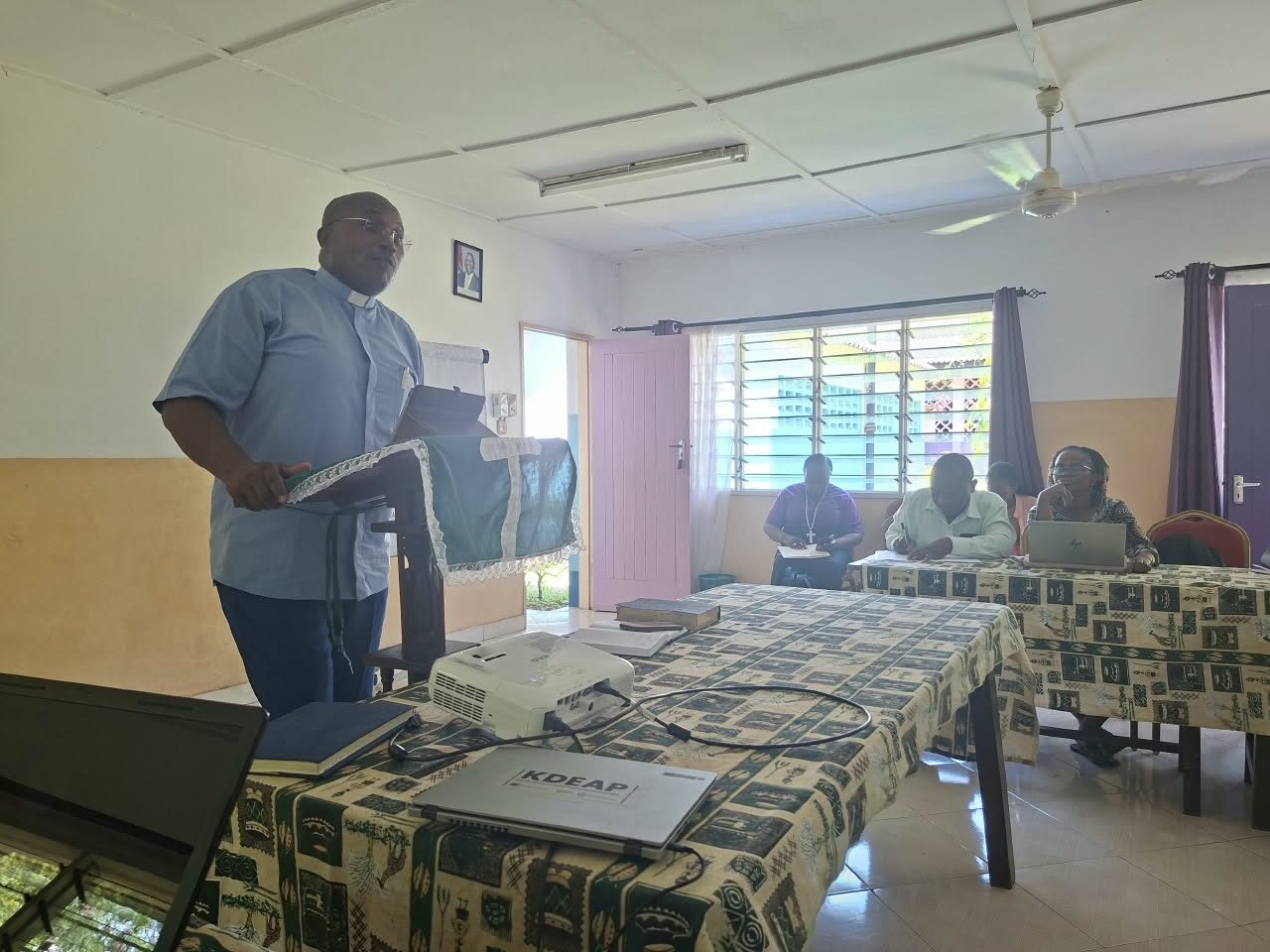
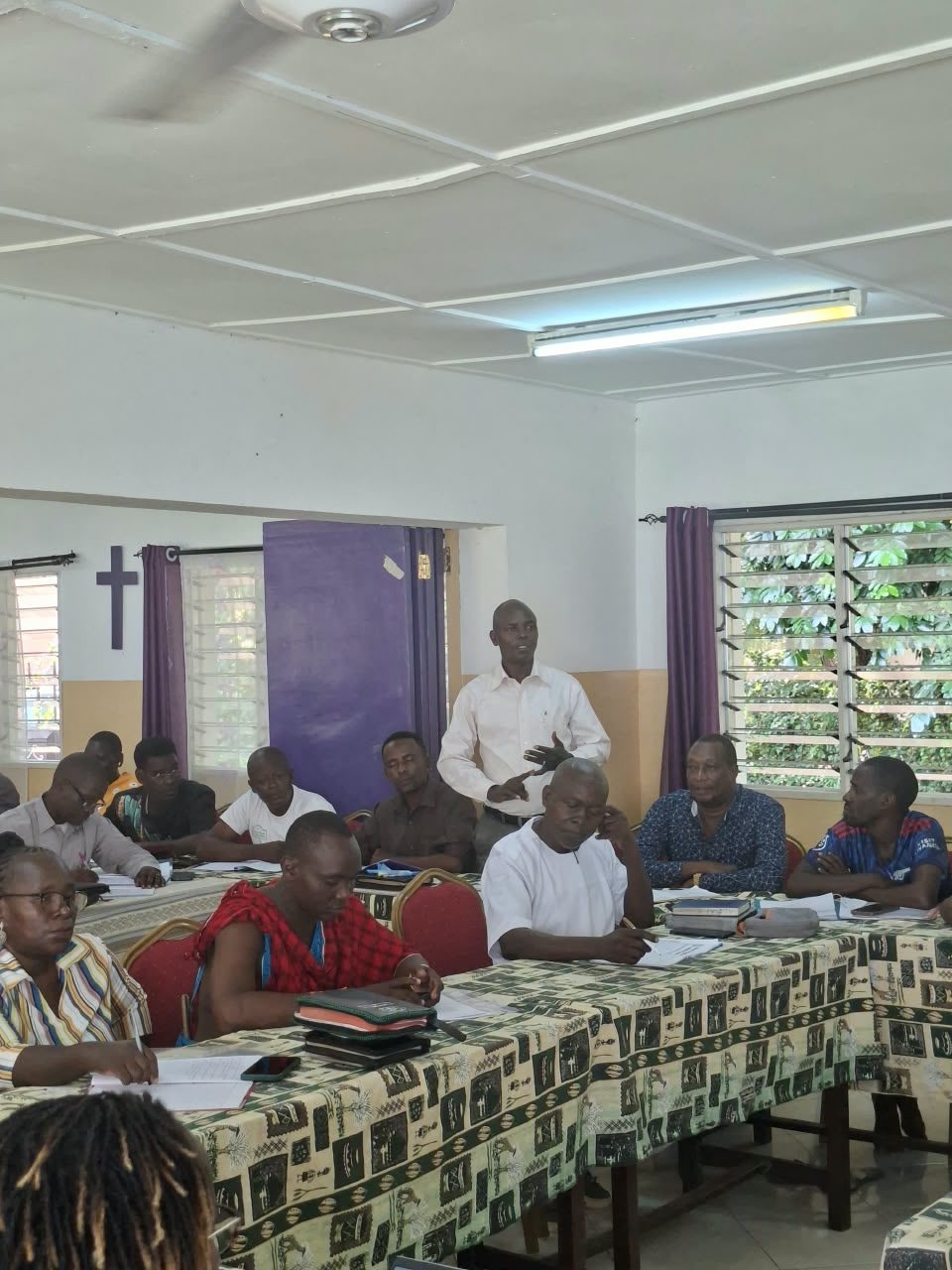
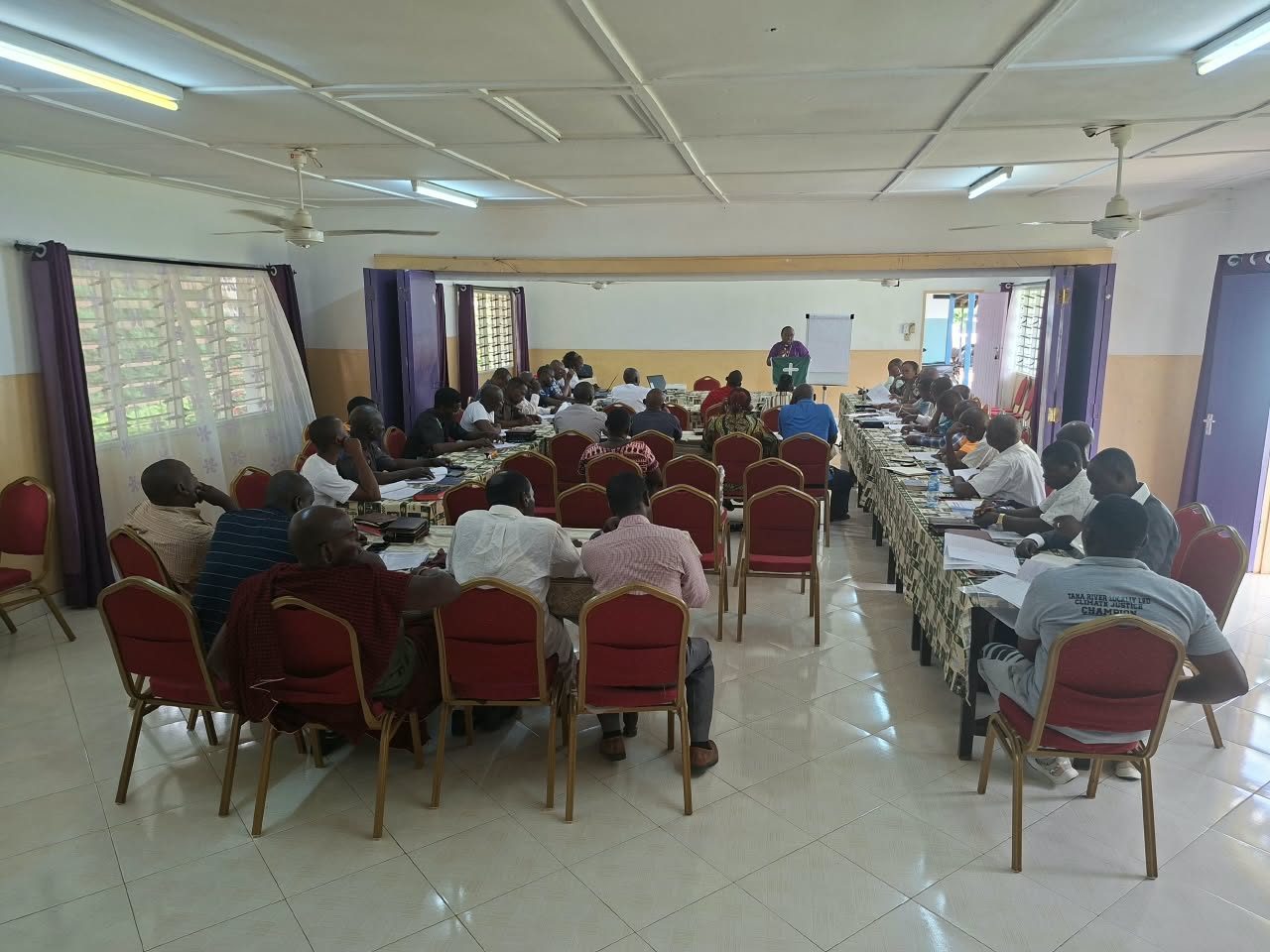
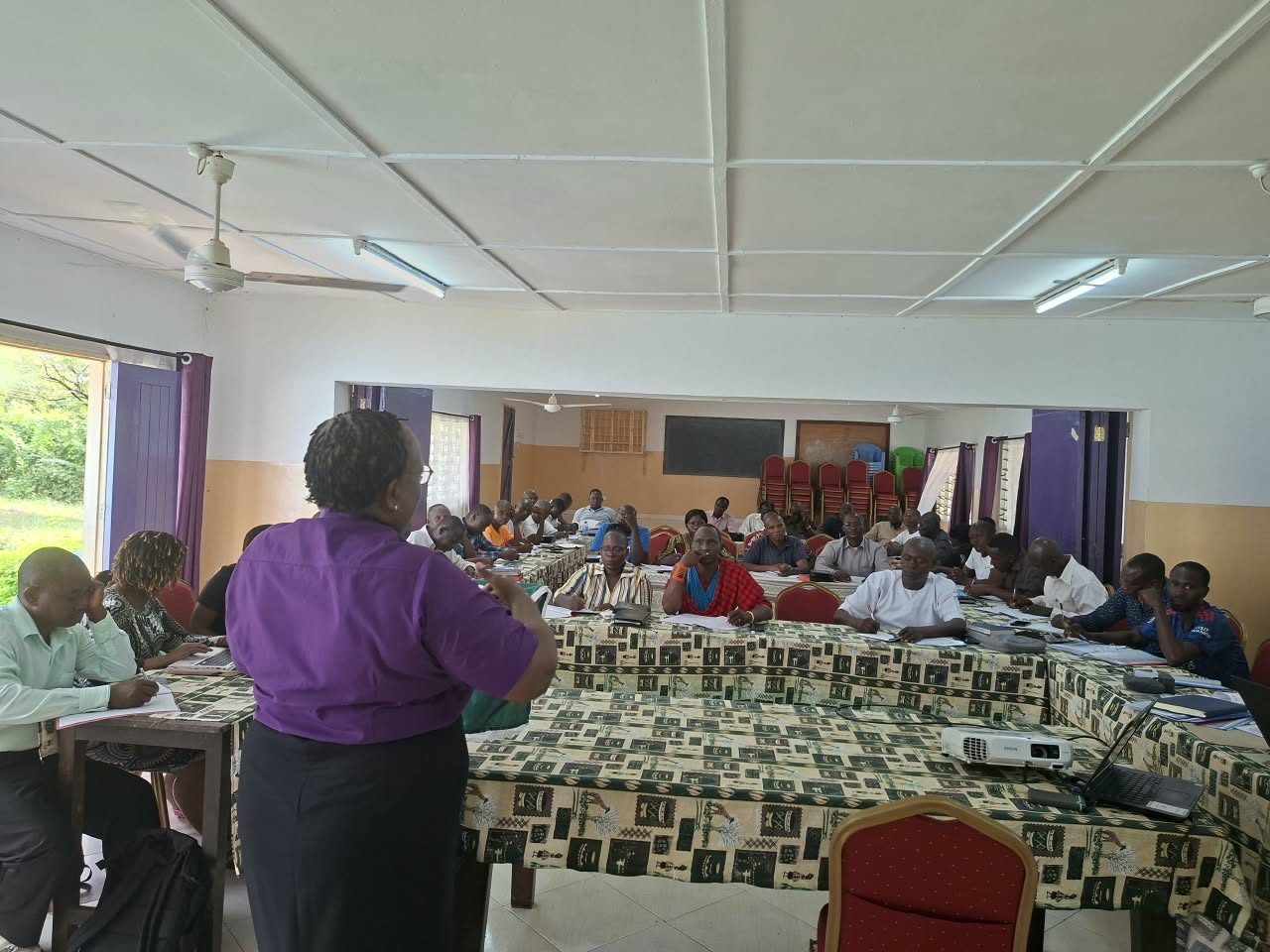
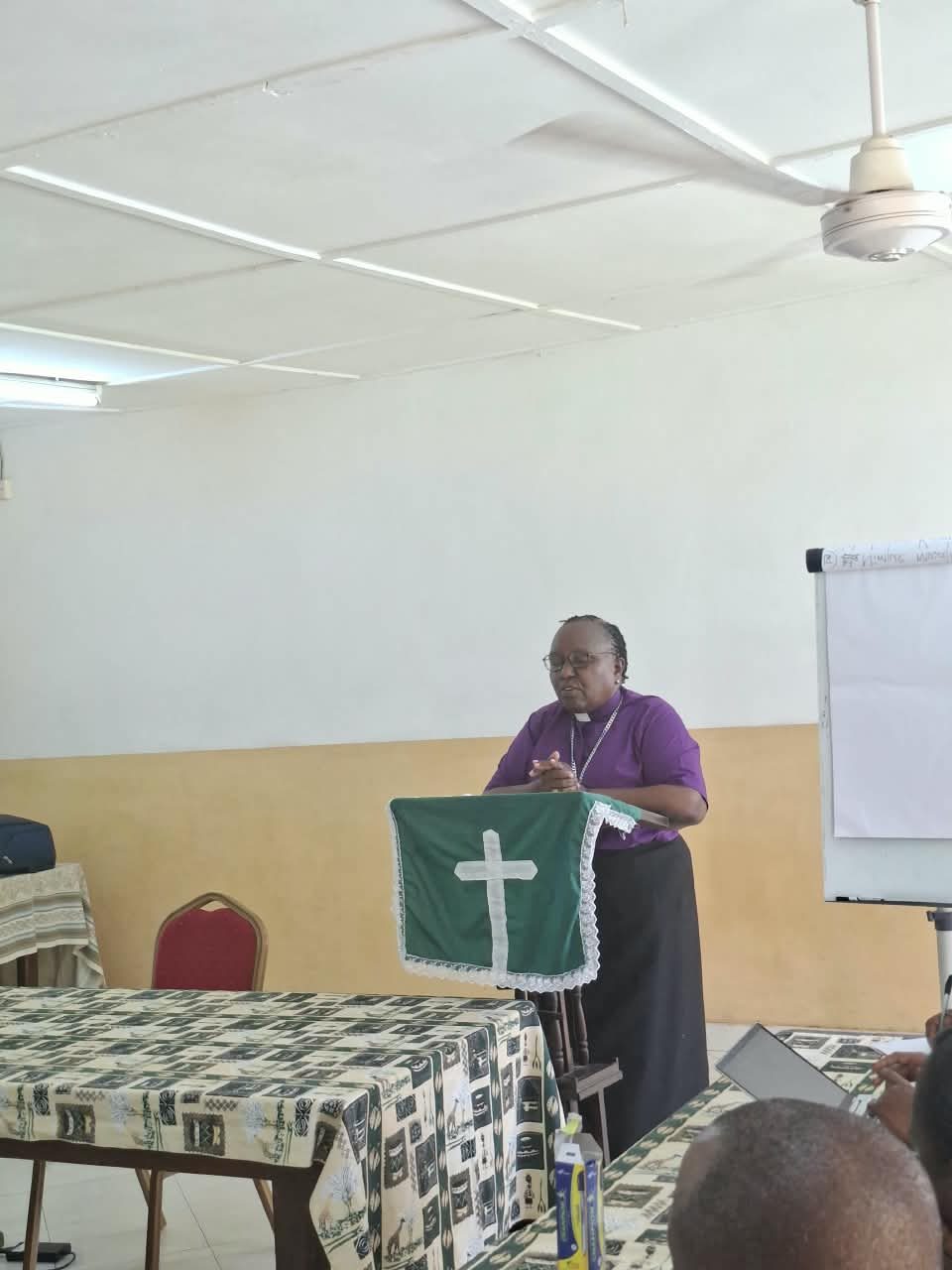
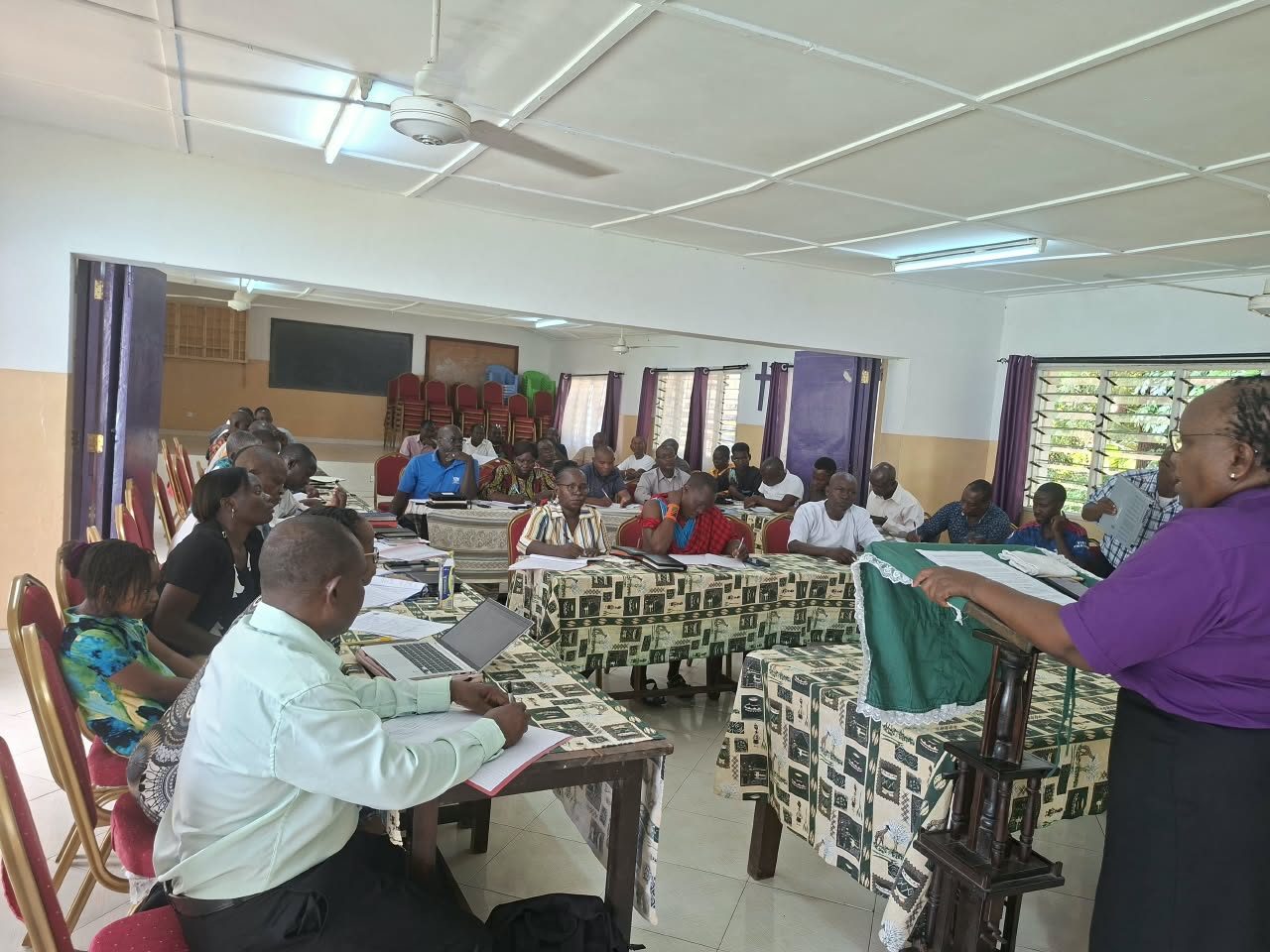
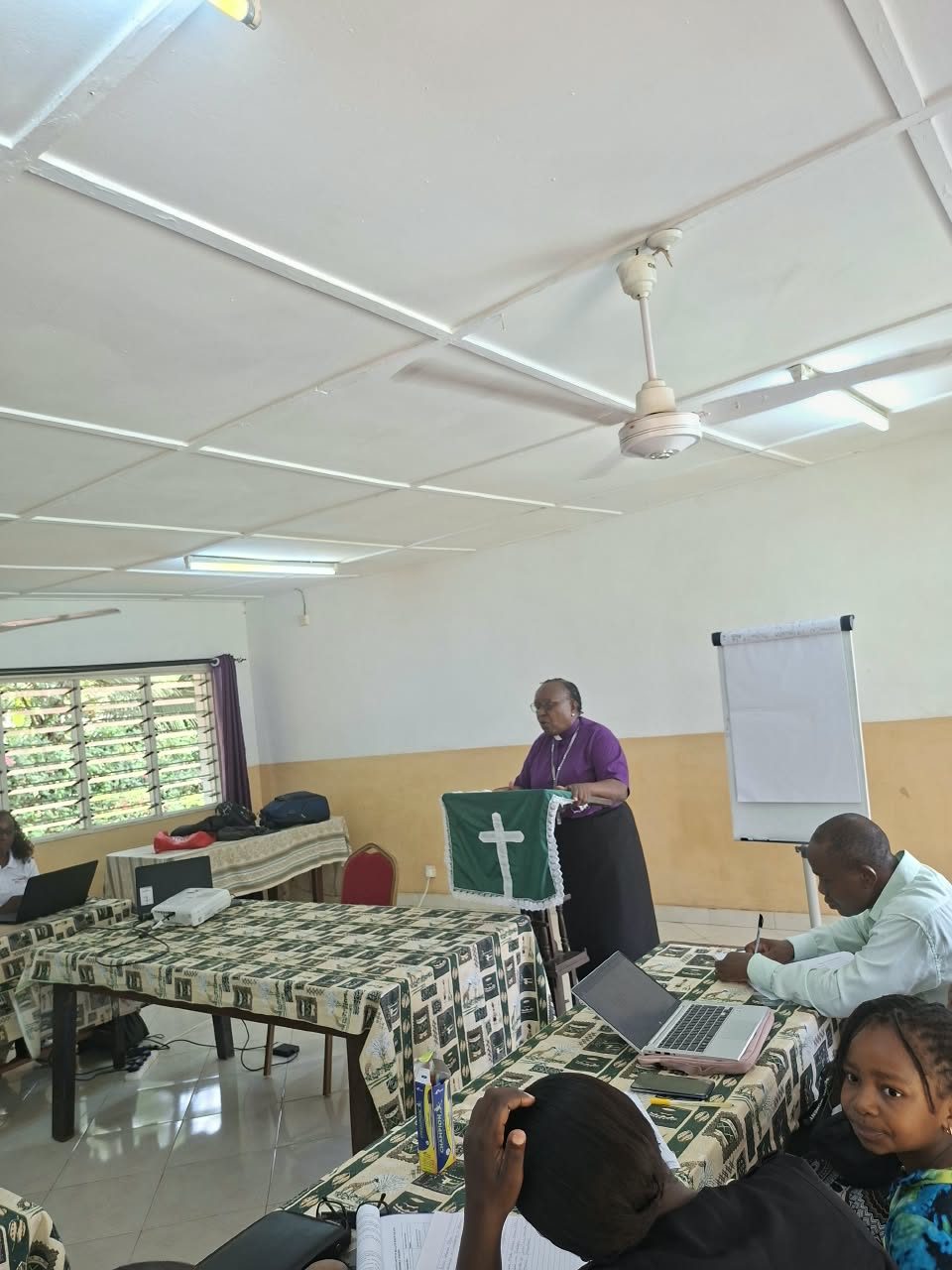
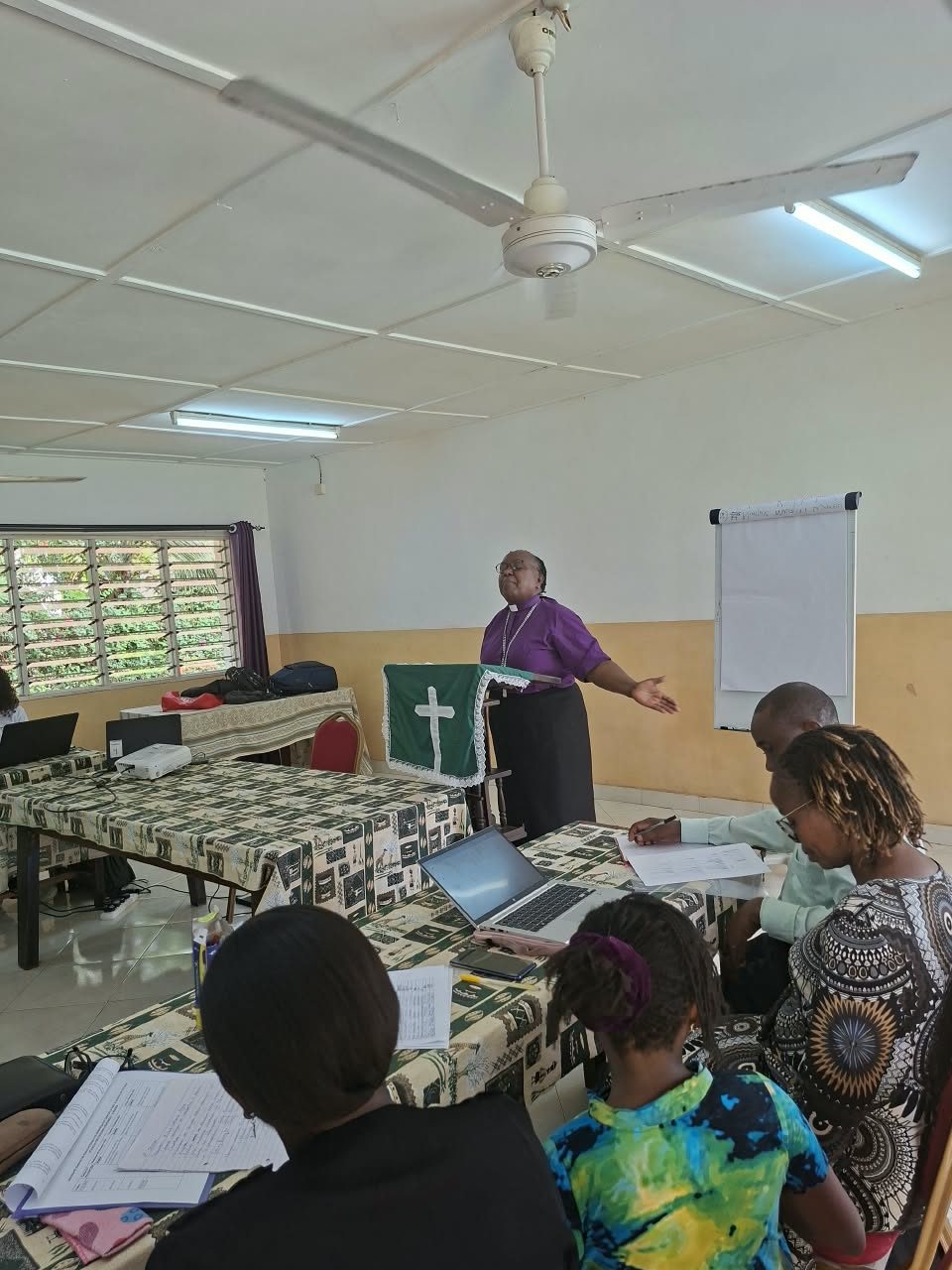
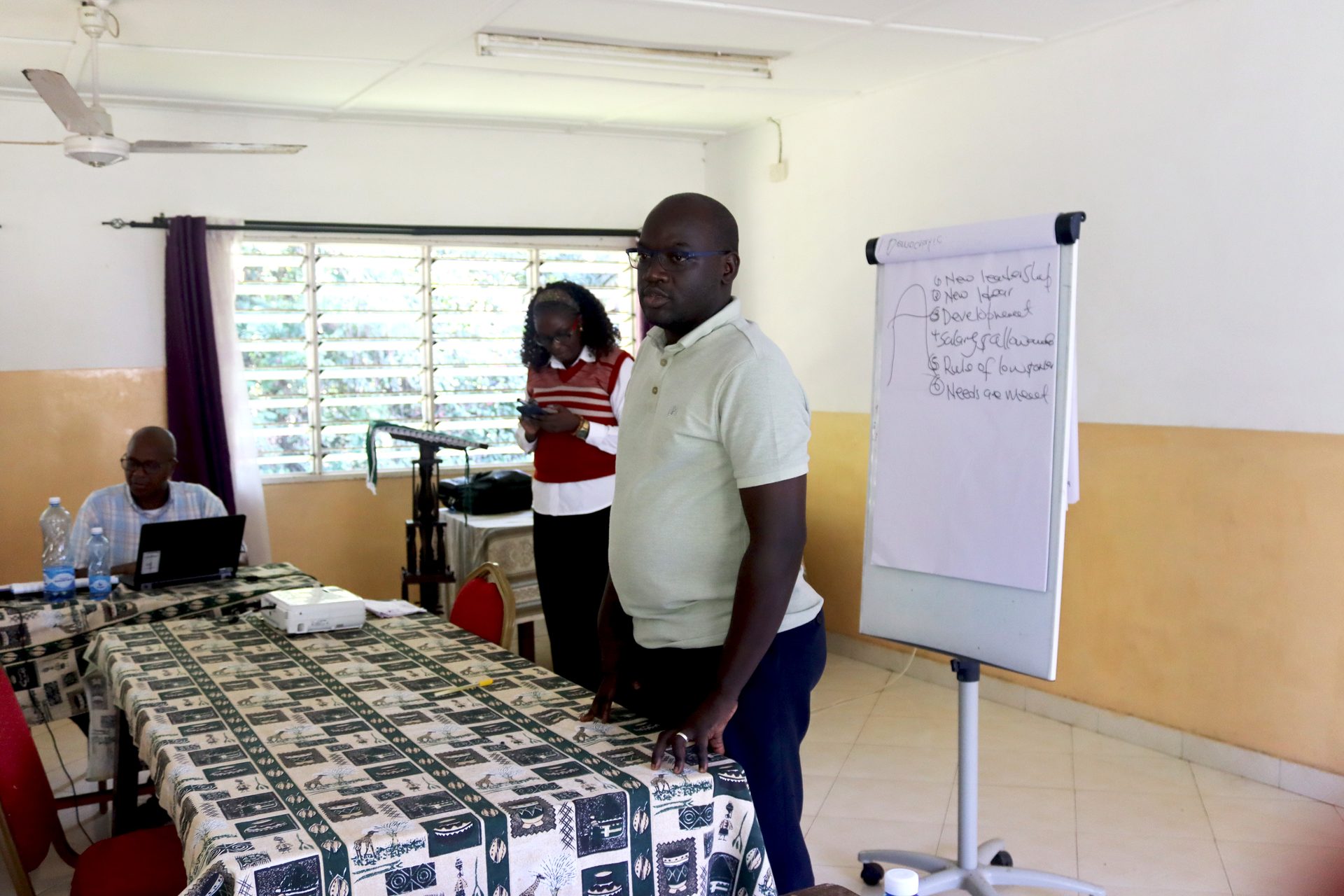
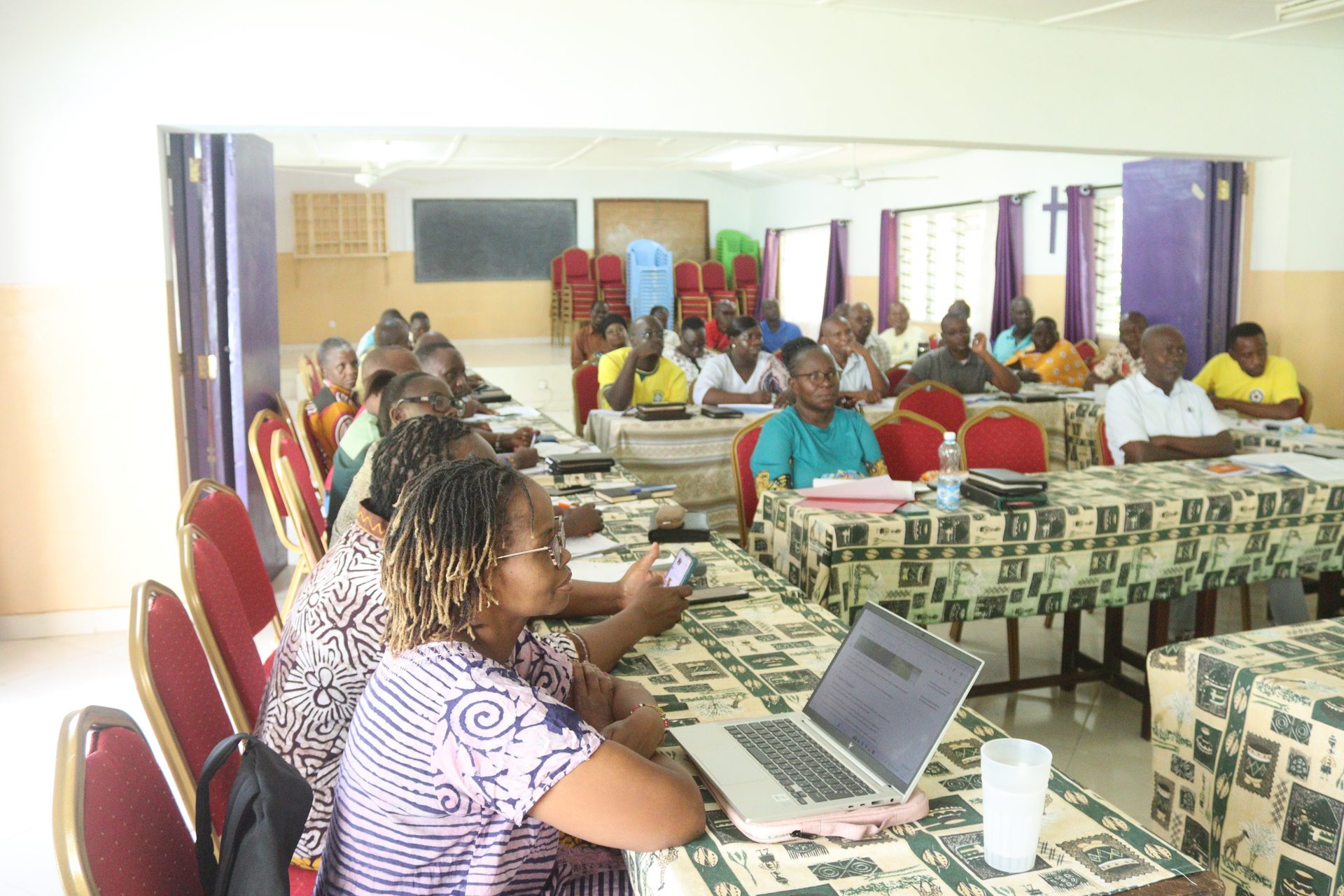
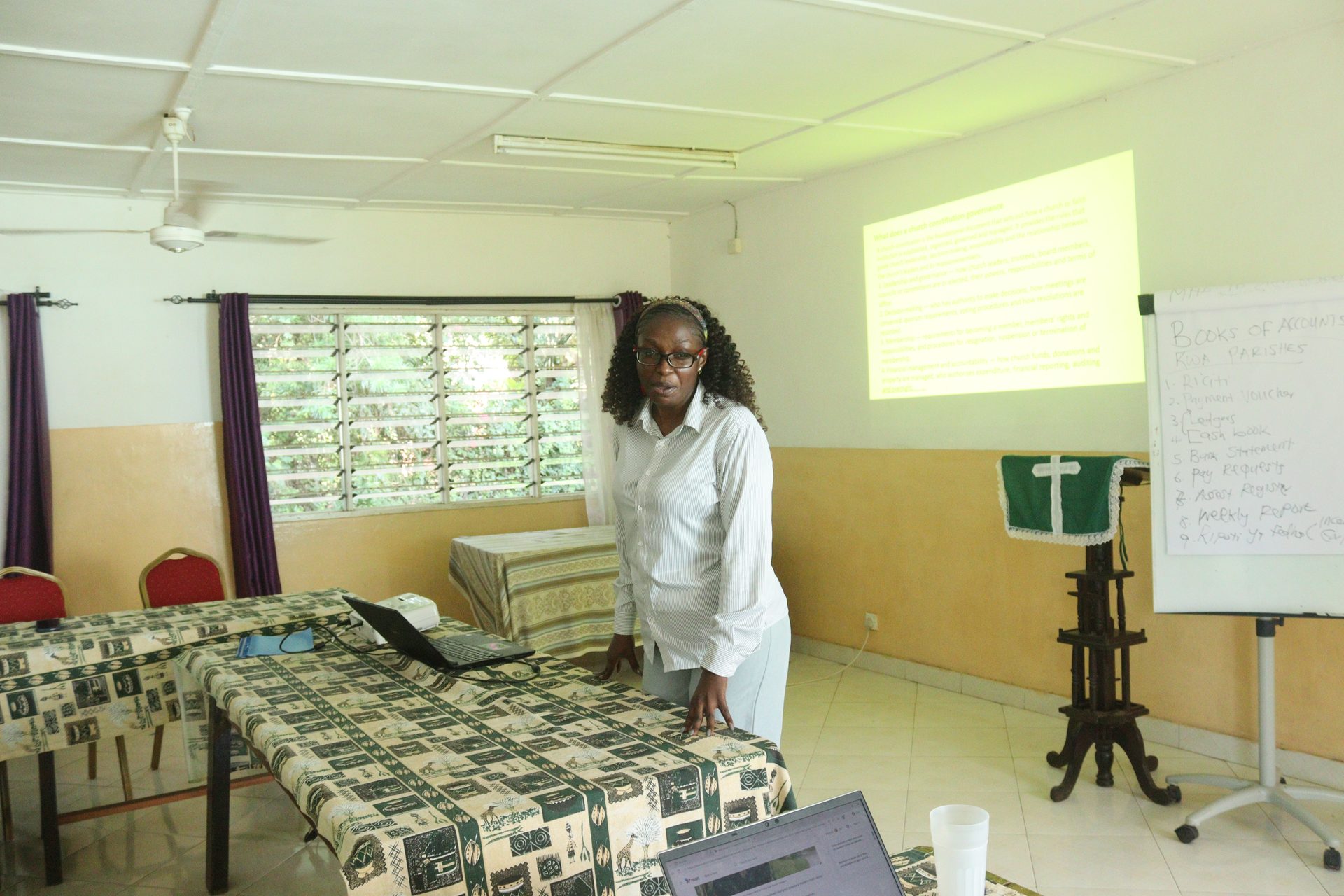
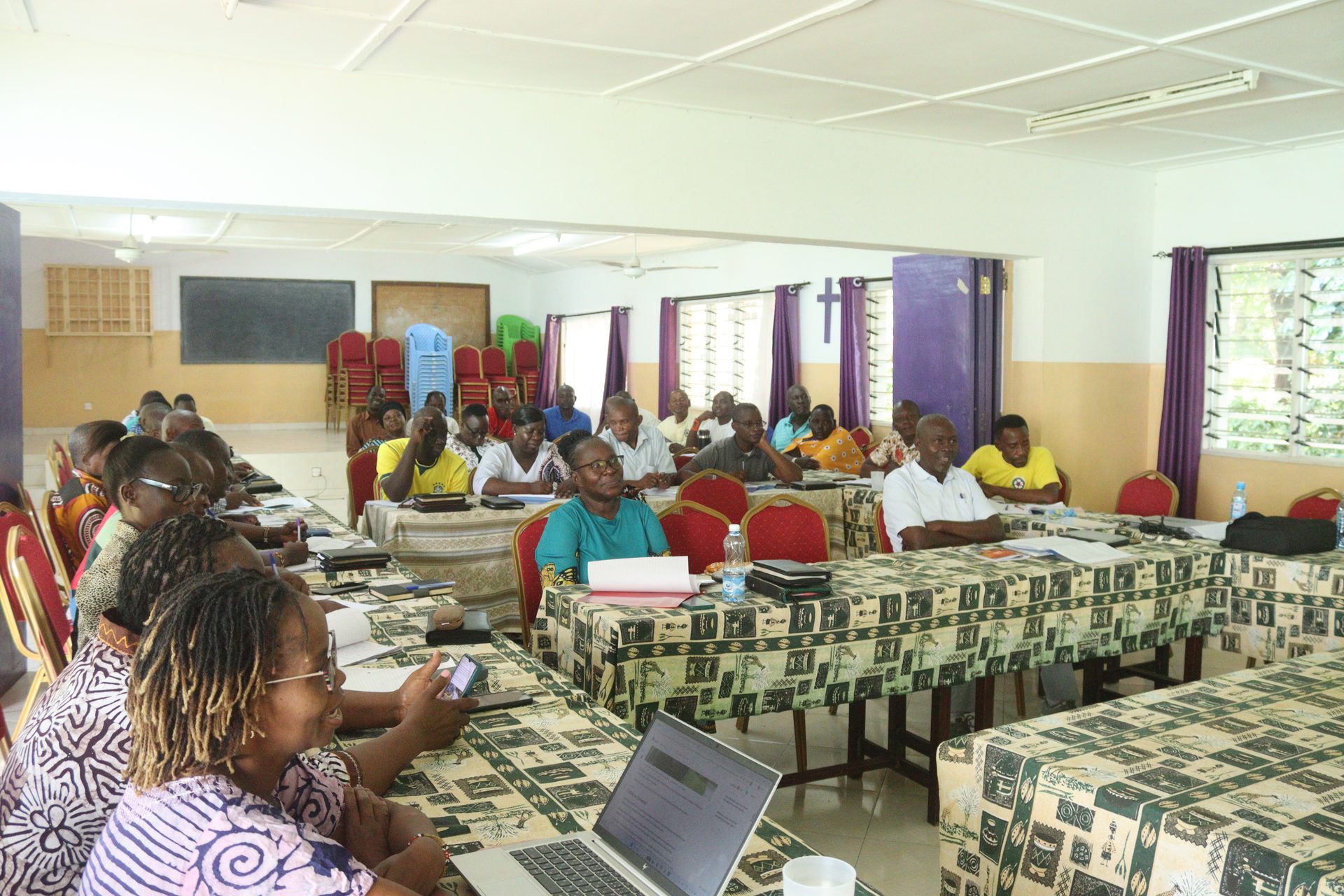
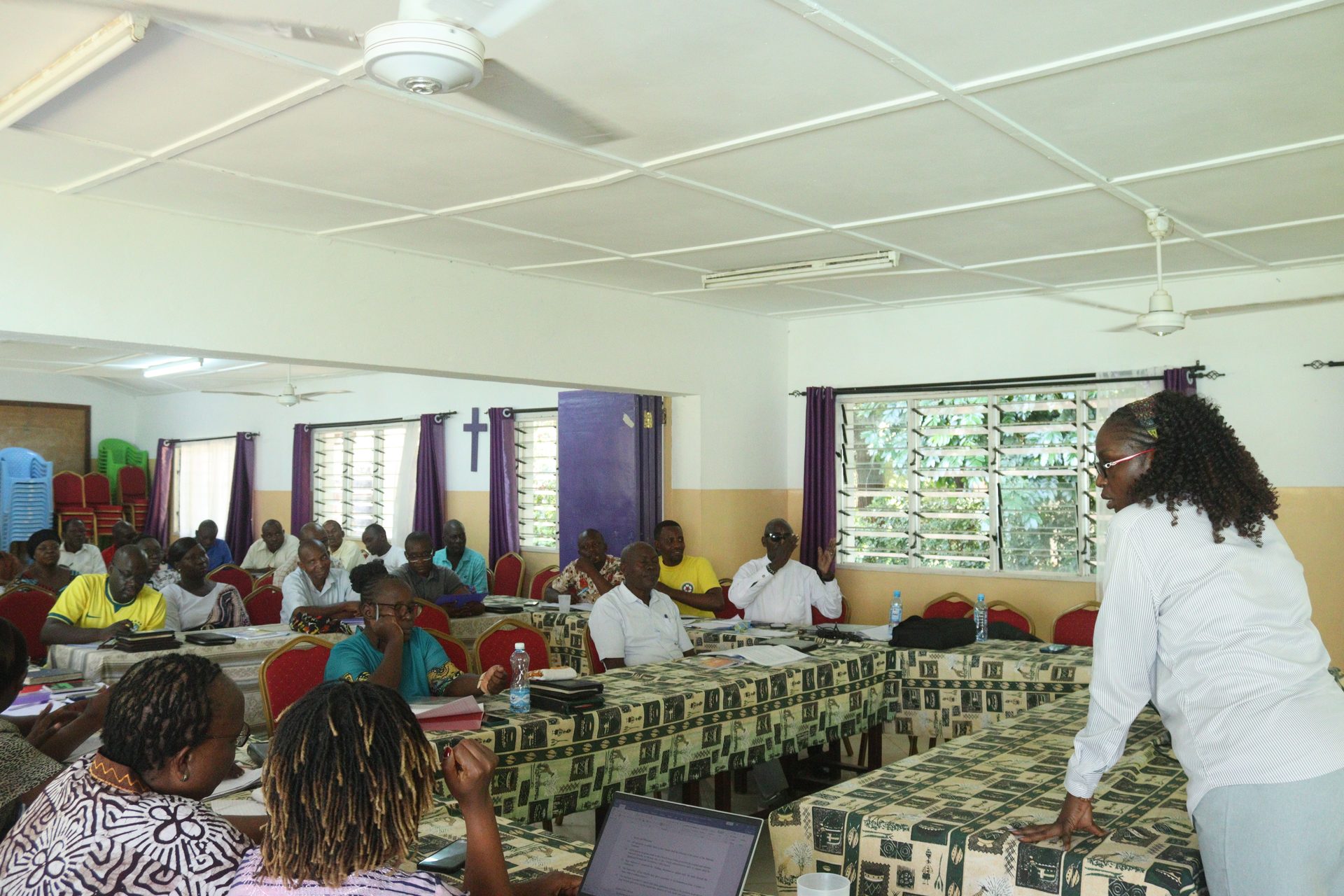
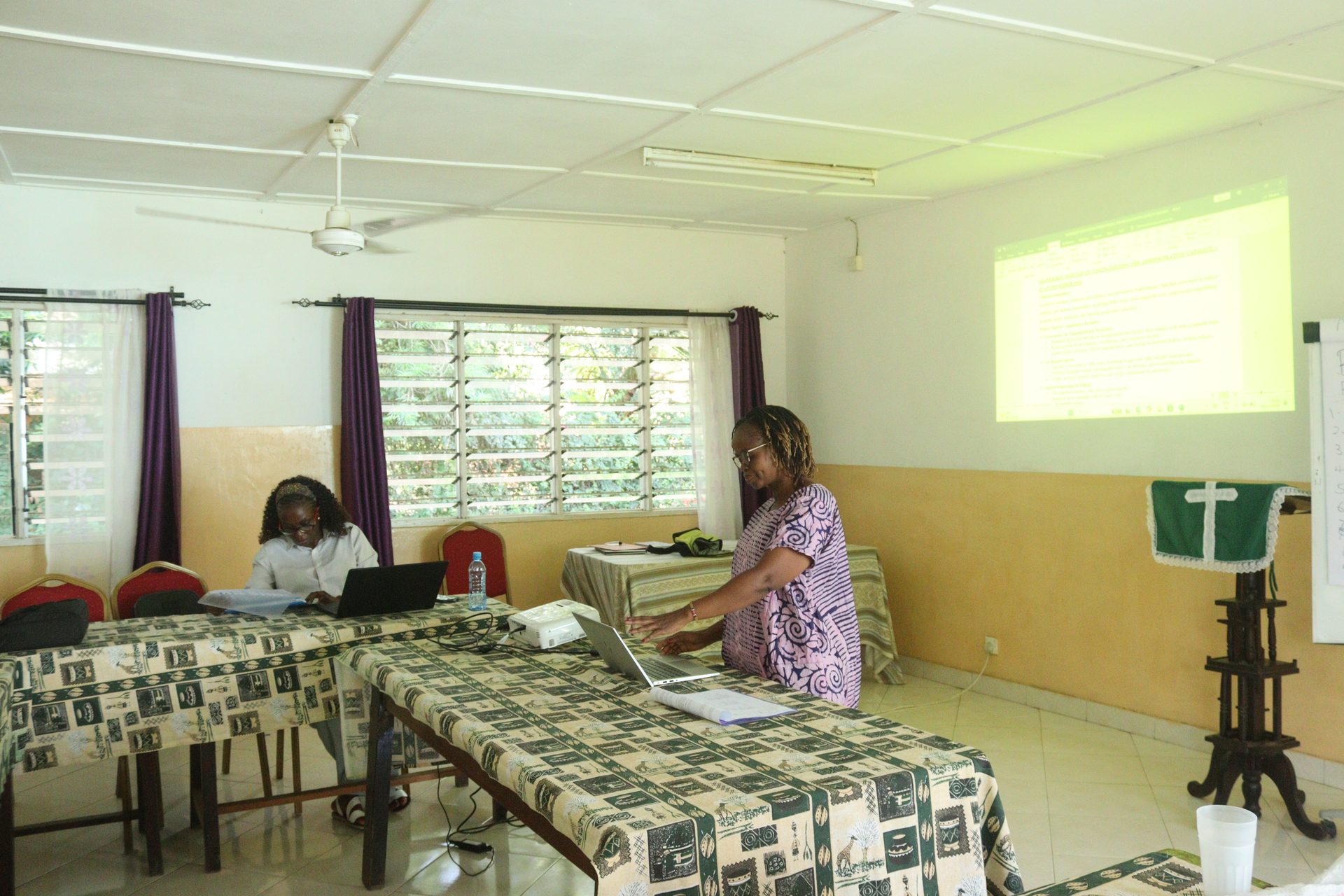
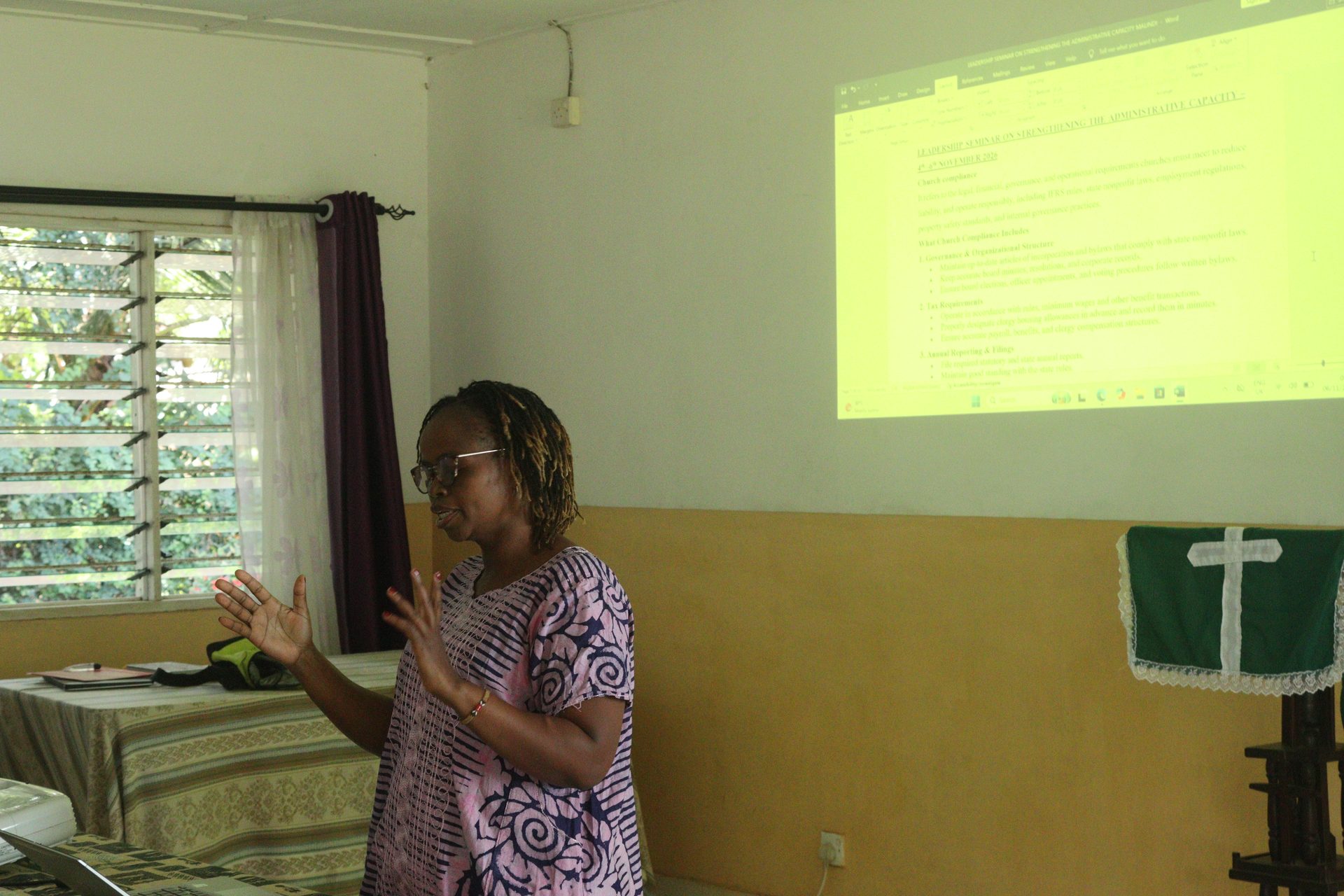
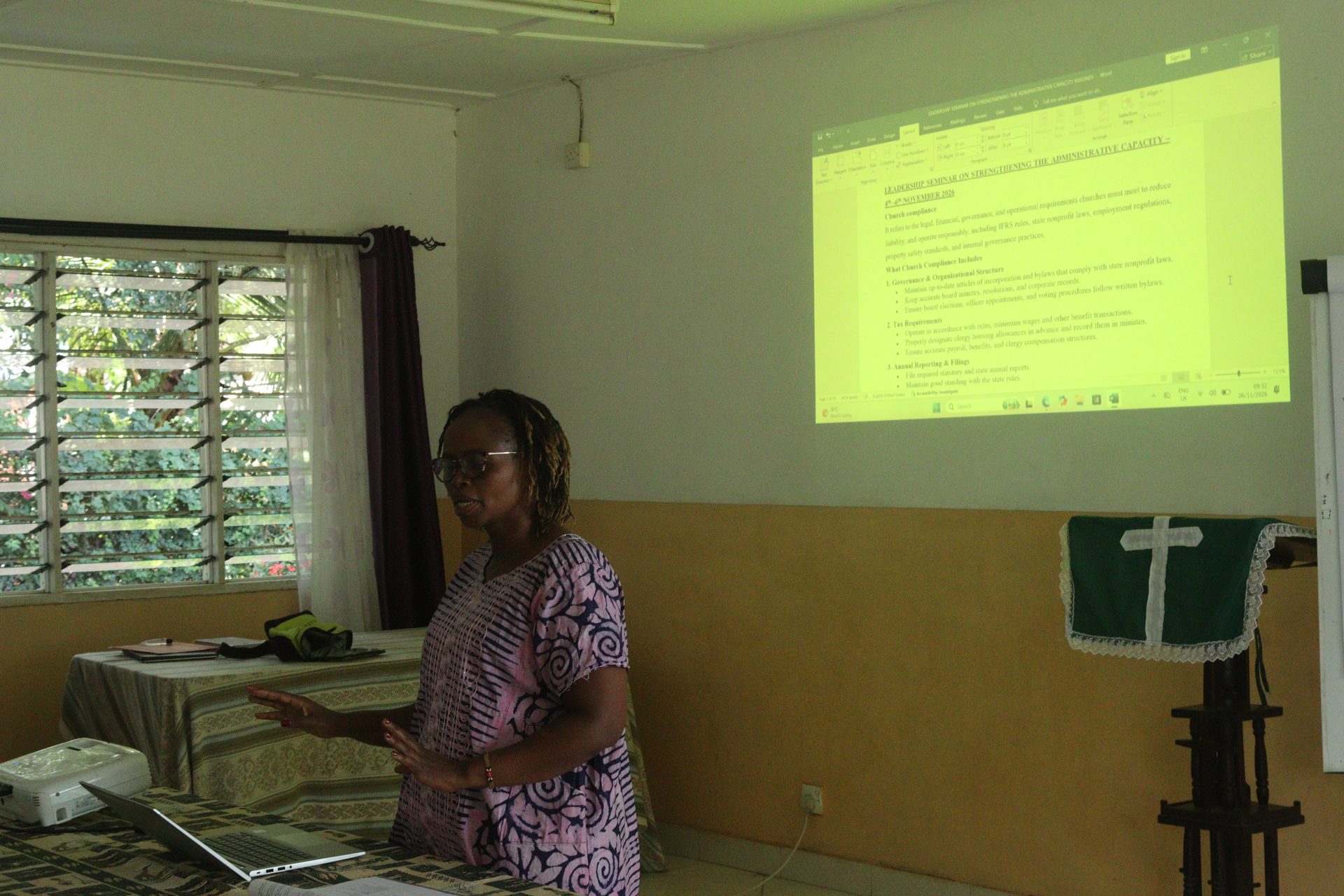
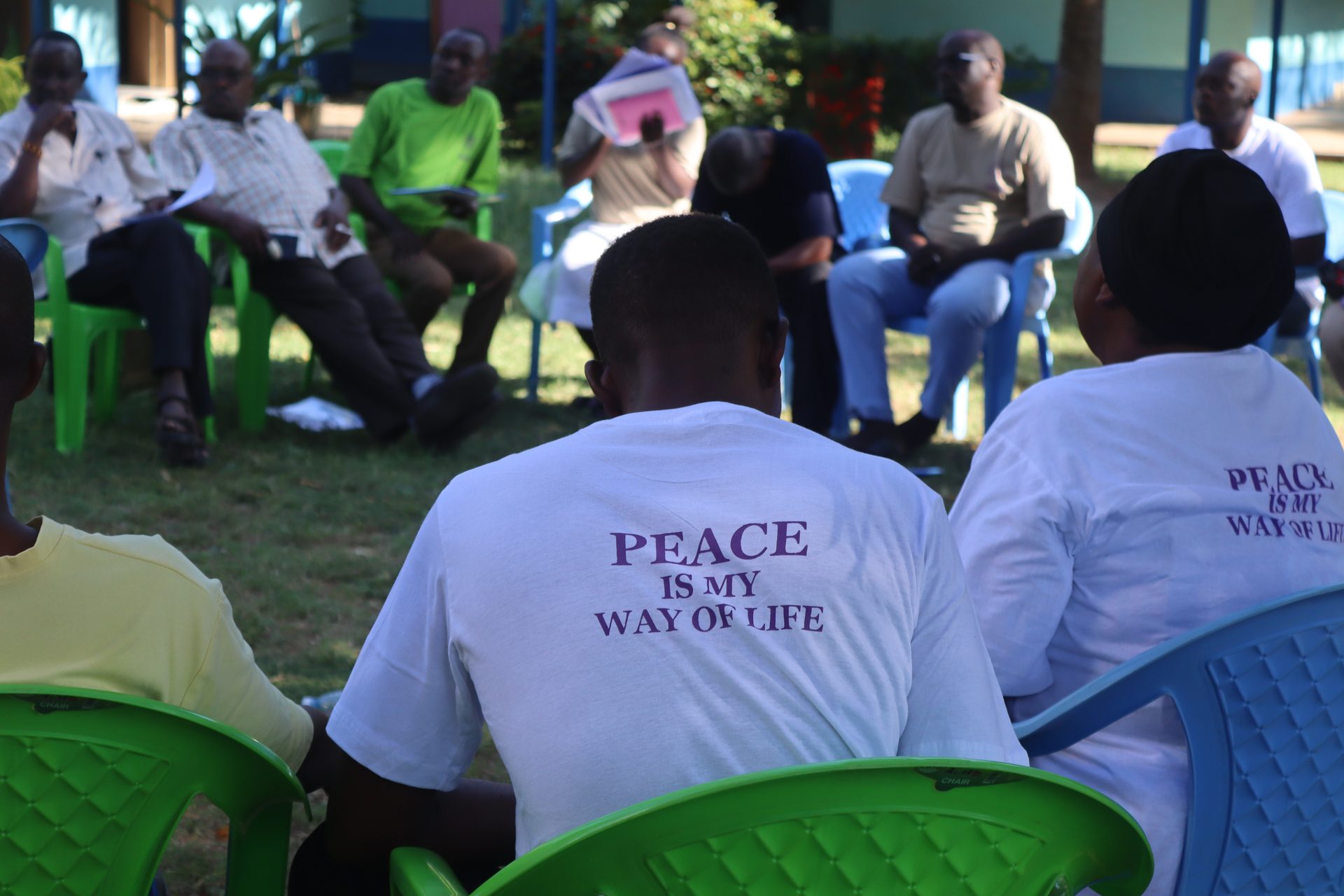
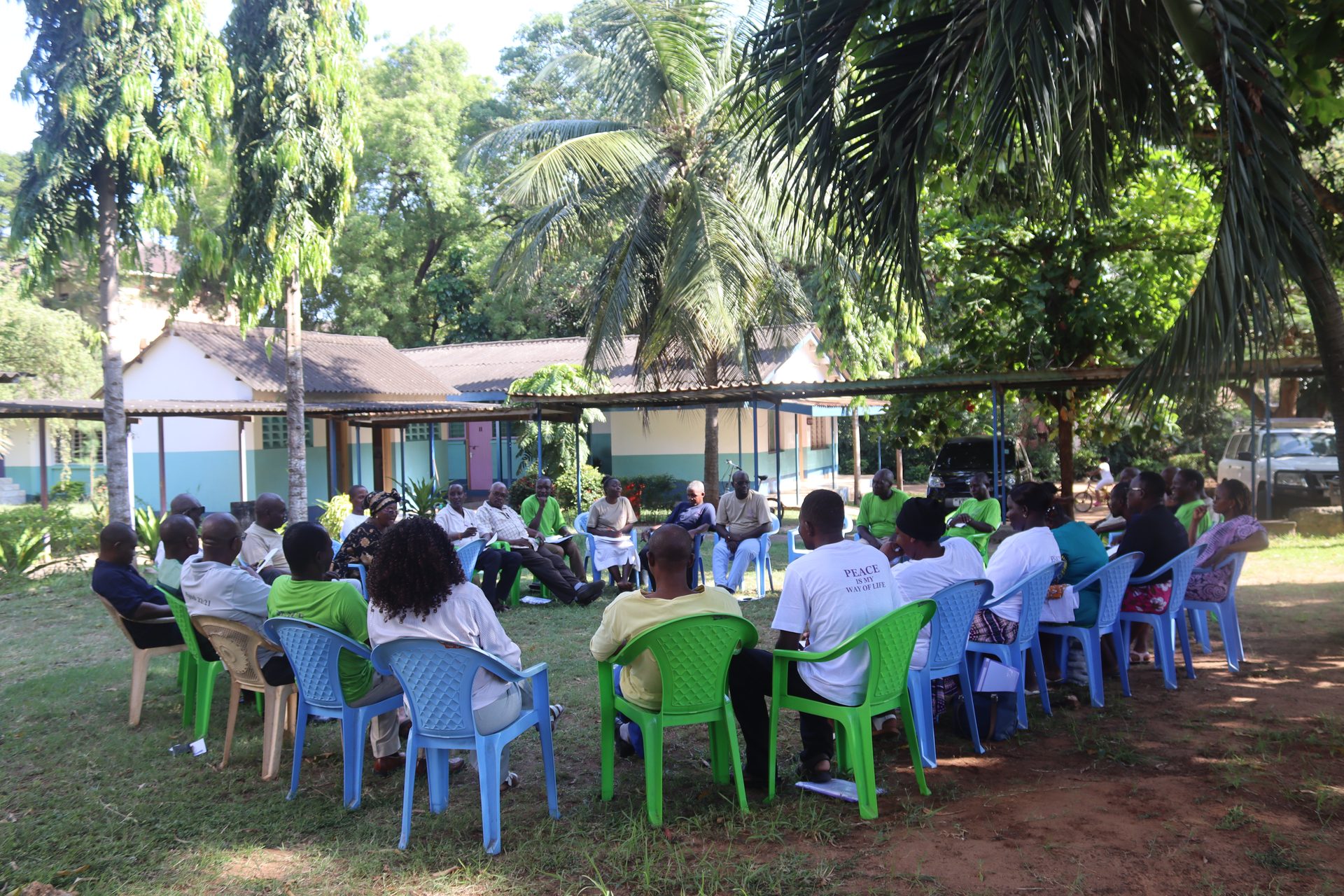
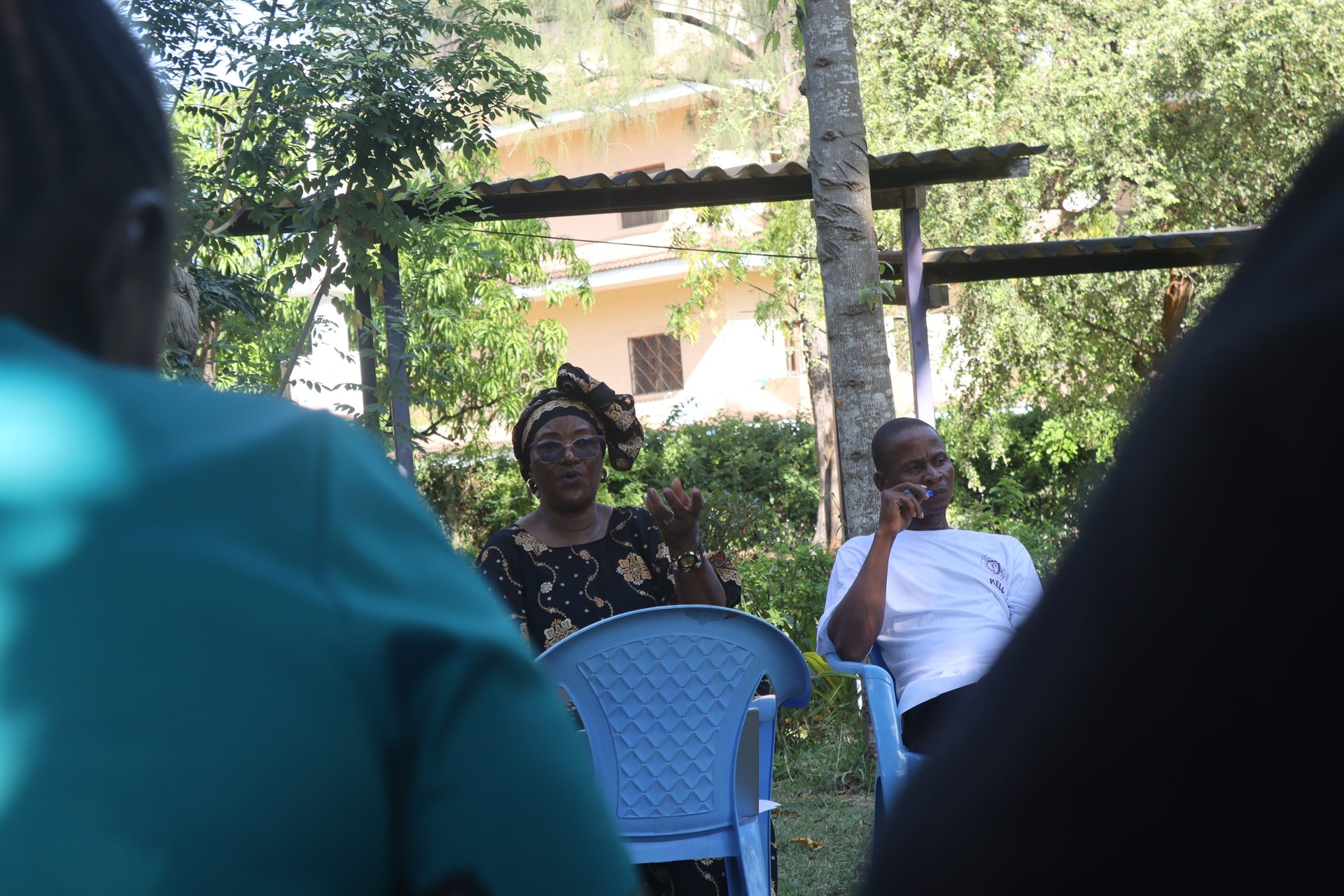
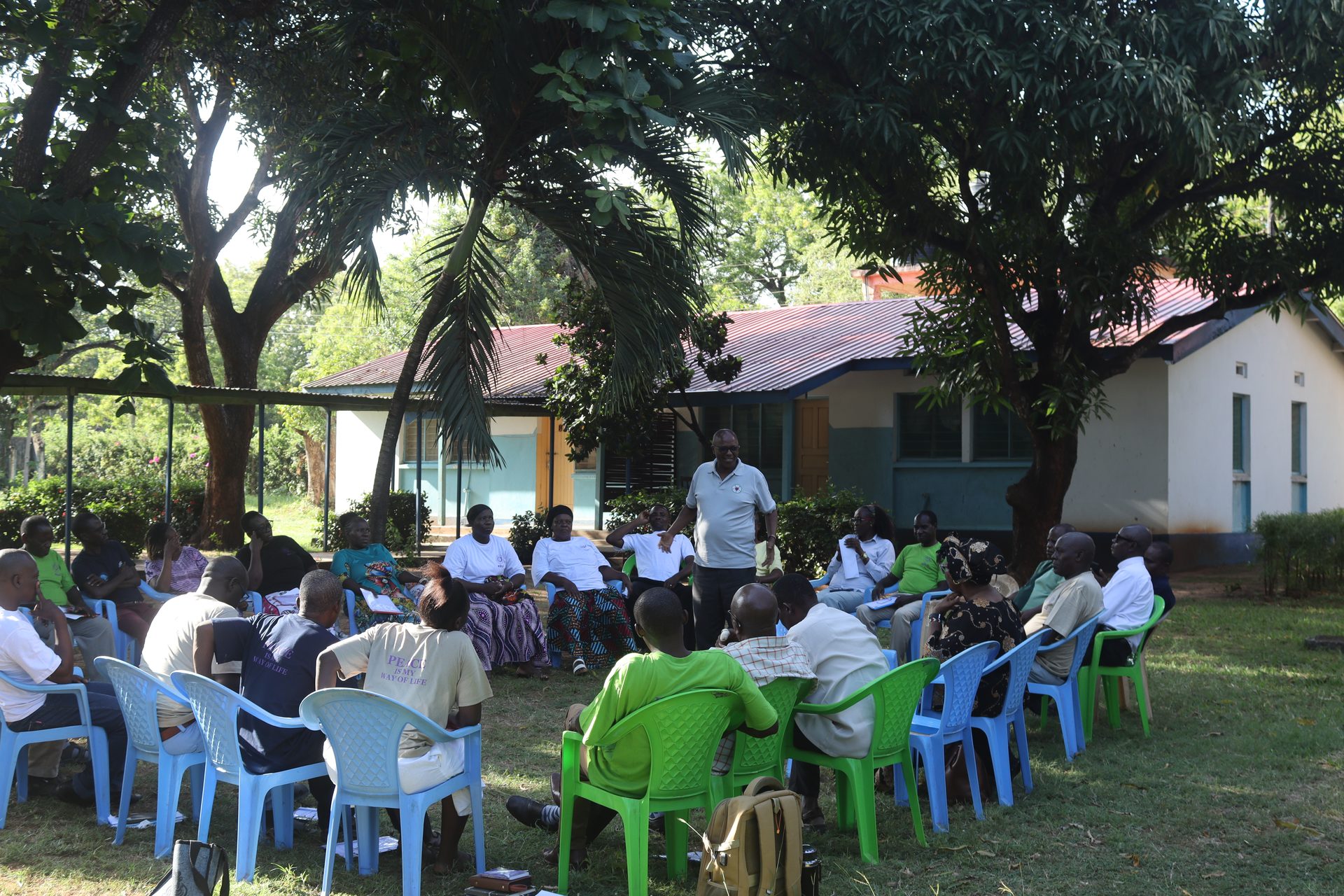
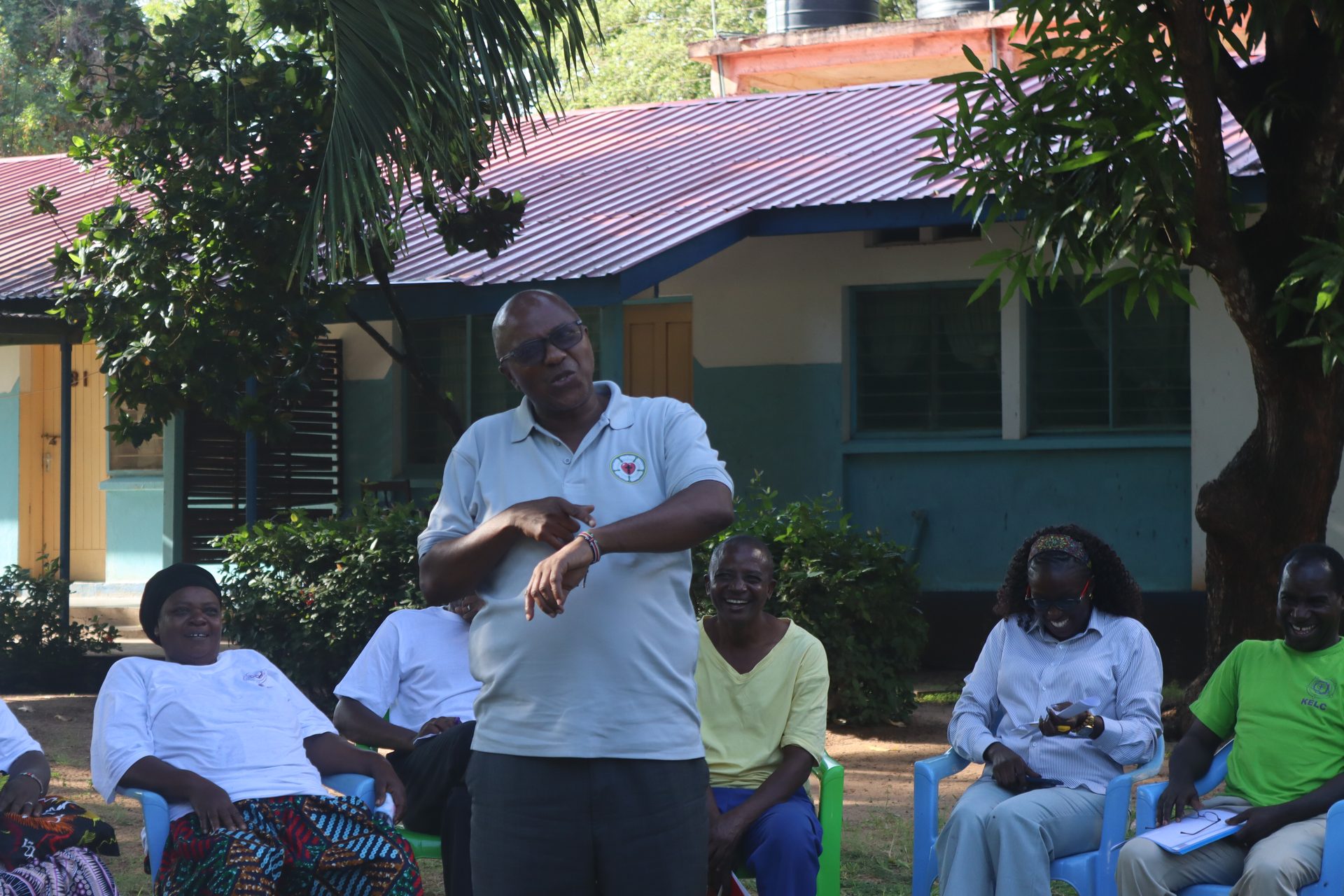
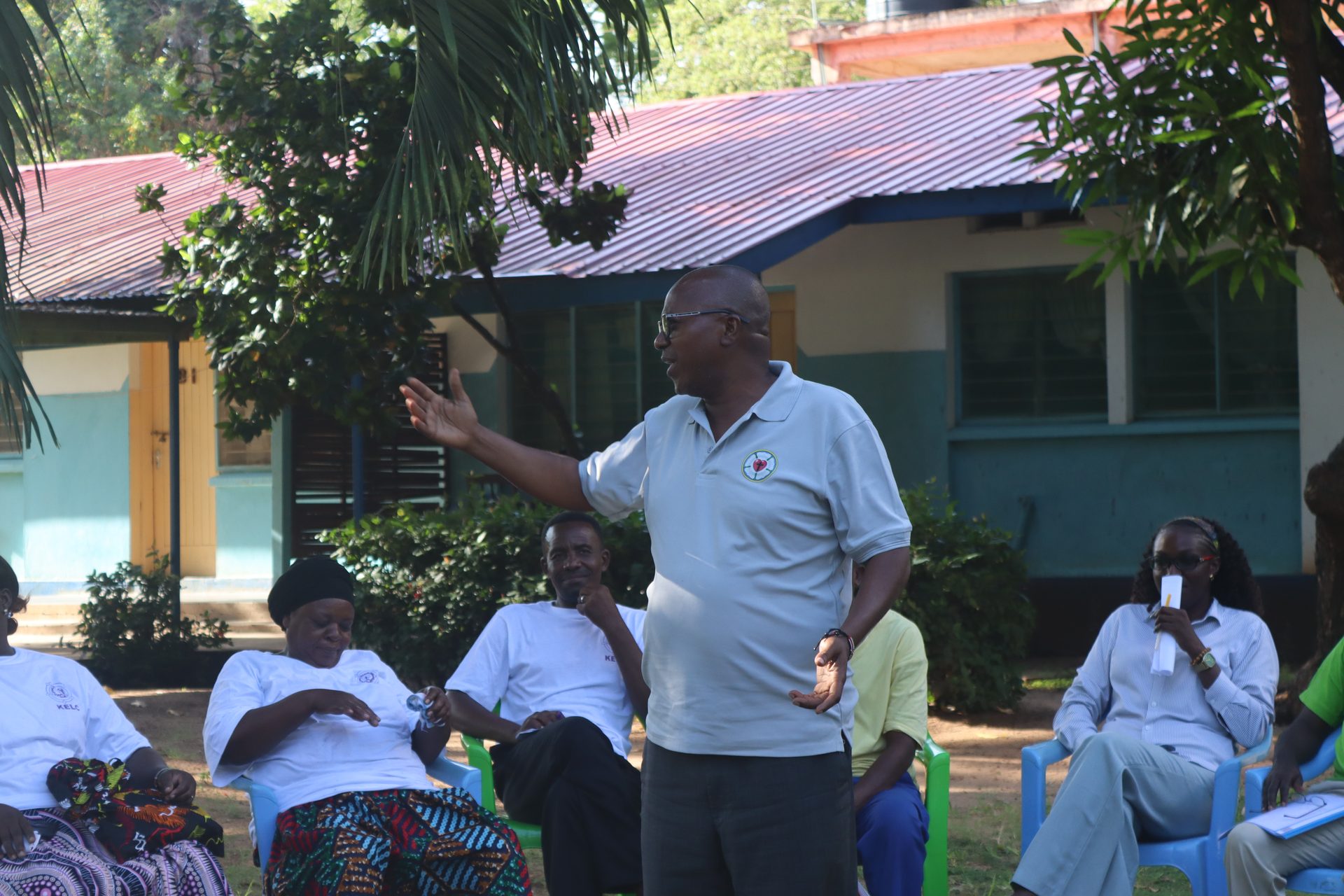
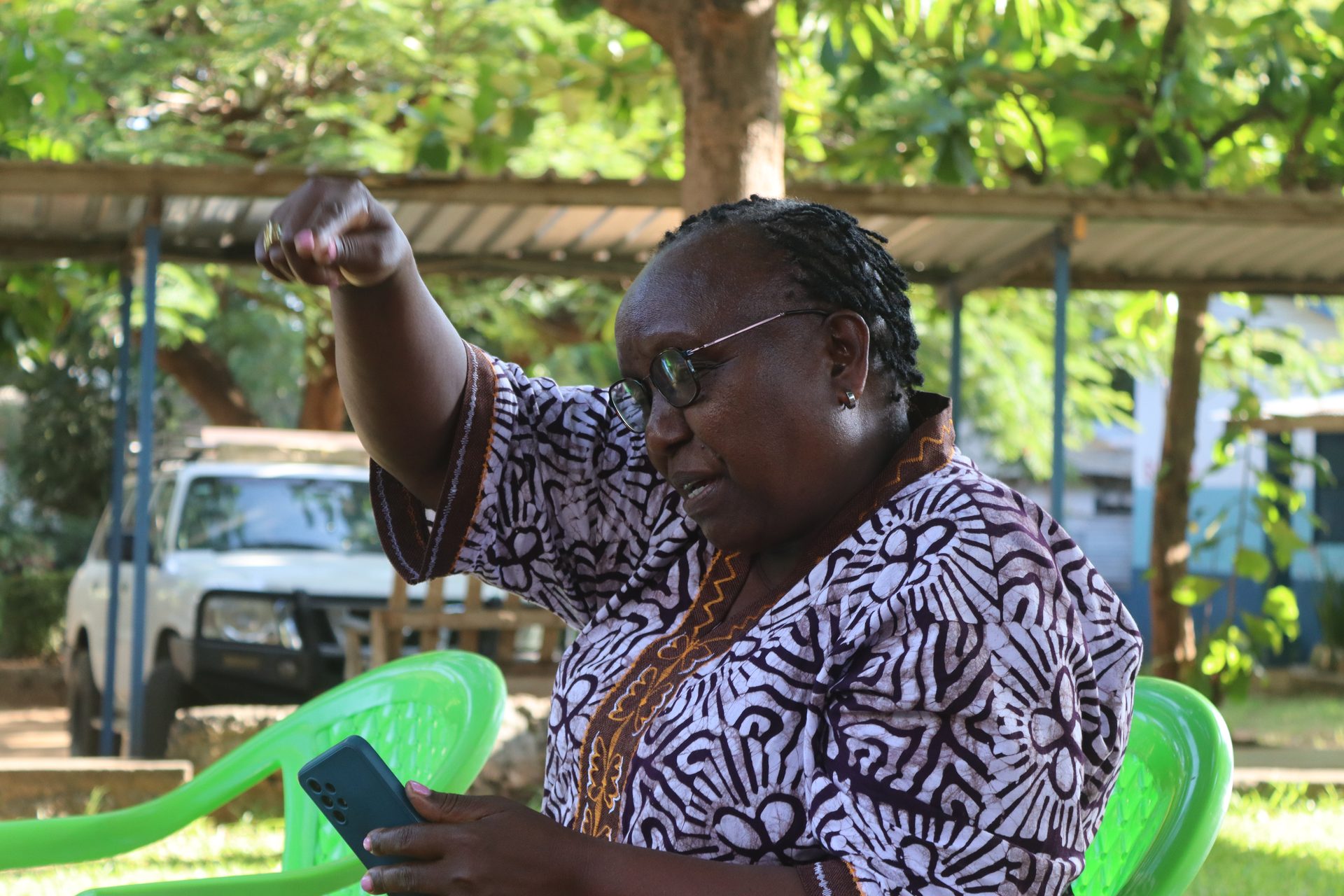
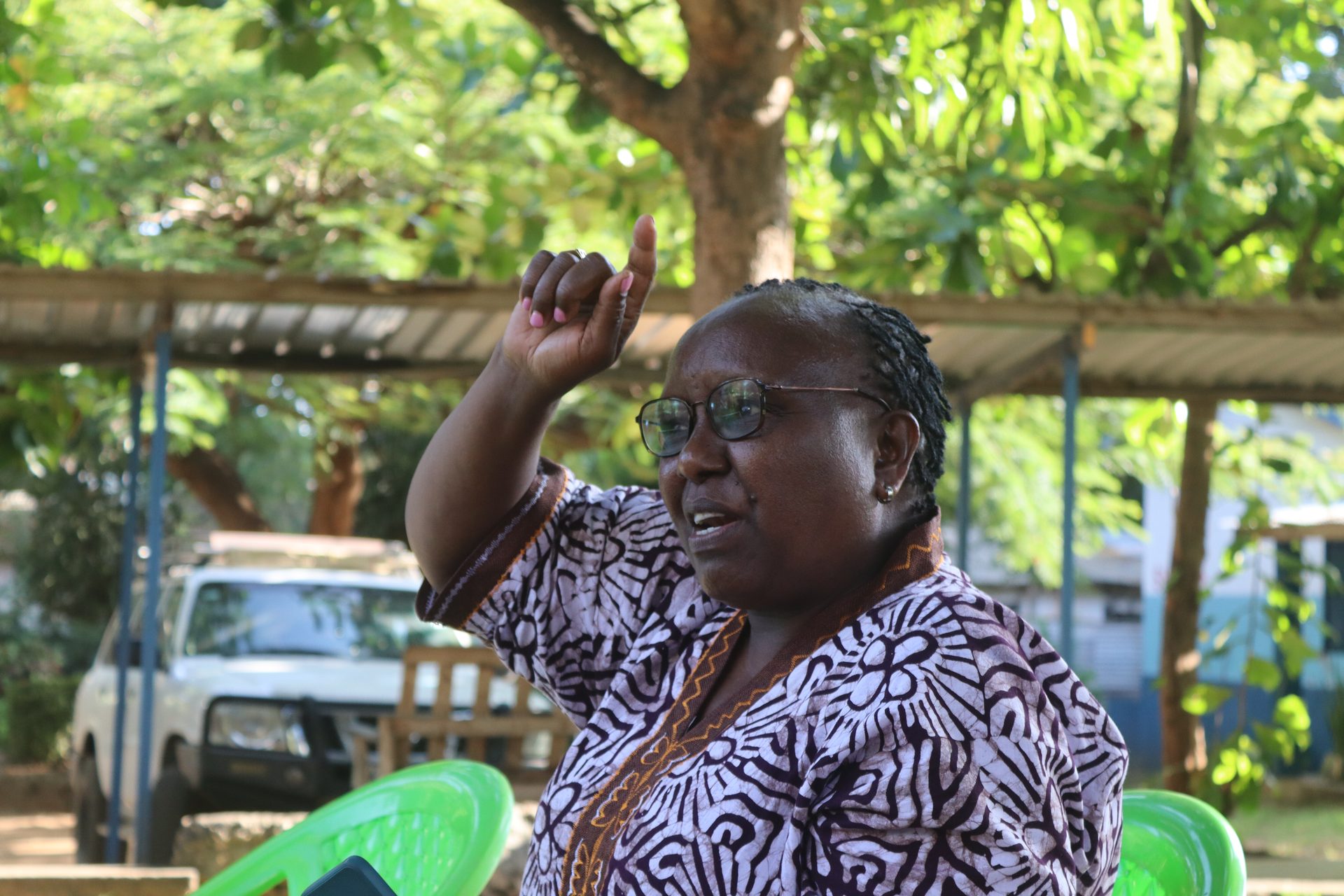
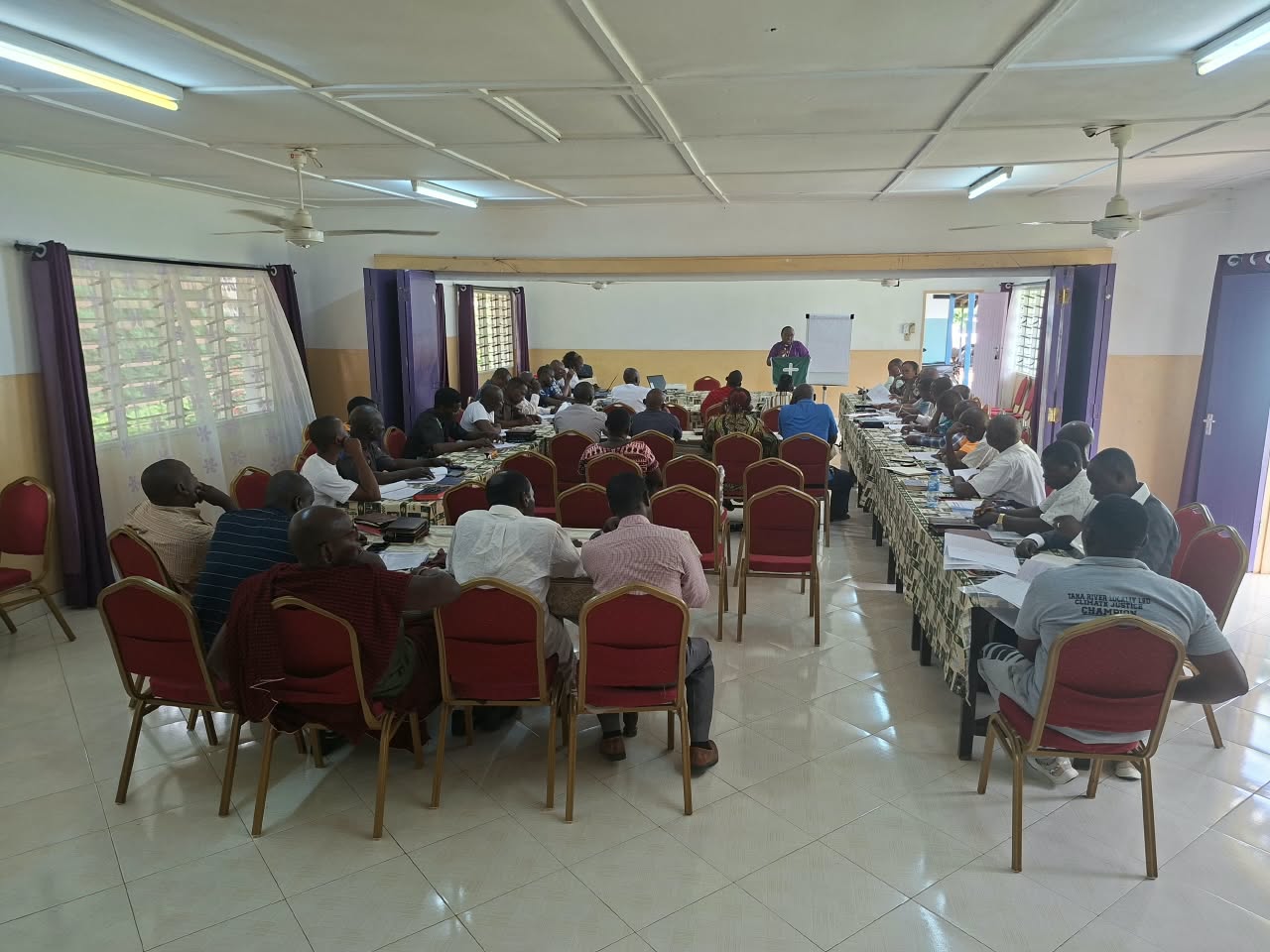
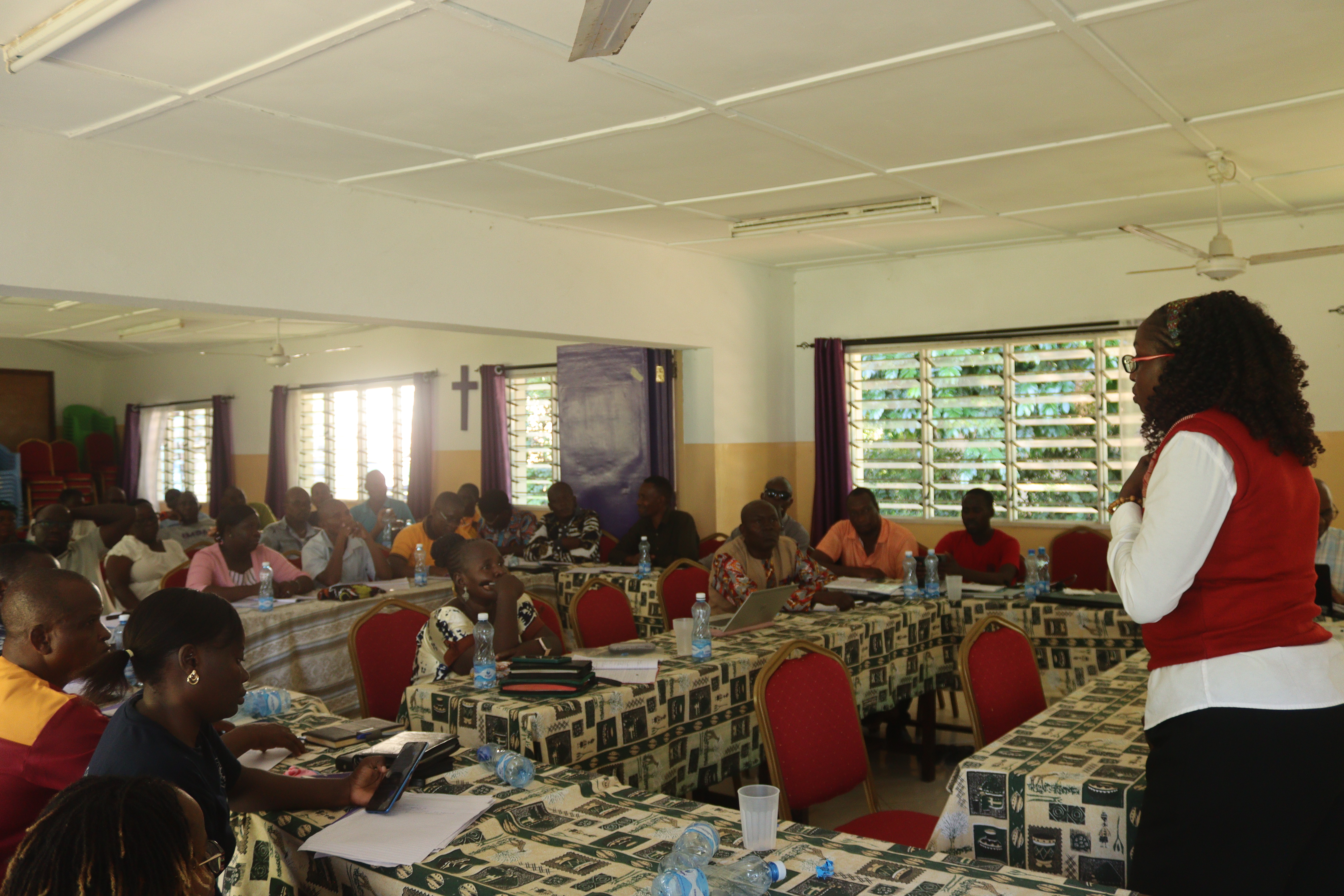
MALINDI, 4–6 NOVEMBER 2026 – For three days, church leaders from the Northern and Southern Deaneries of the Kenya Evangelical Lutheran Church (KELC) gathered in Malindi to reflect on one important question: What does it take to lead a church well?
The Leadership Seminar, held under the theme “Strengthening the Administrative Capacity of KELC and the Role of Faith Actors in Peacebuilding,” followed a similar engagement held in Nairobi in February 2026 for leaders from the Central Deanery.
A Church That Needs Renewal
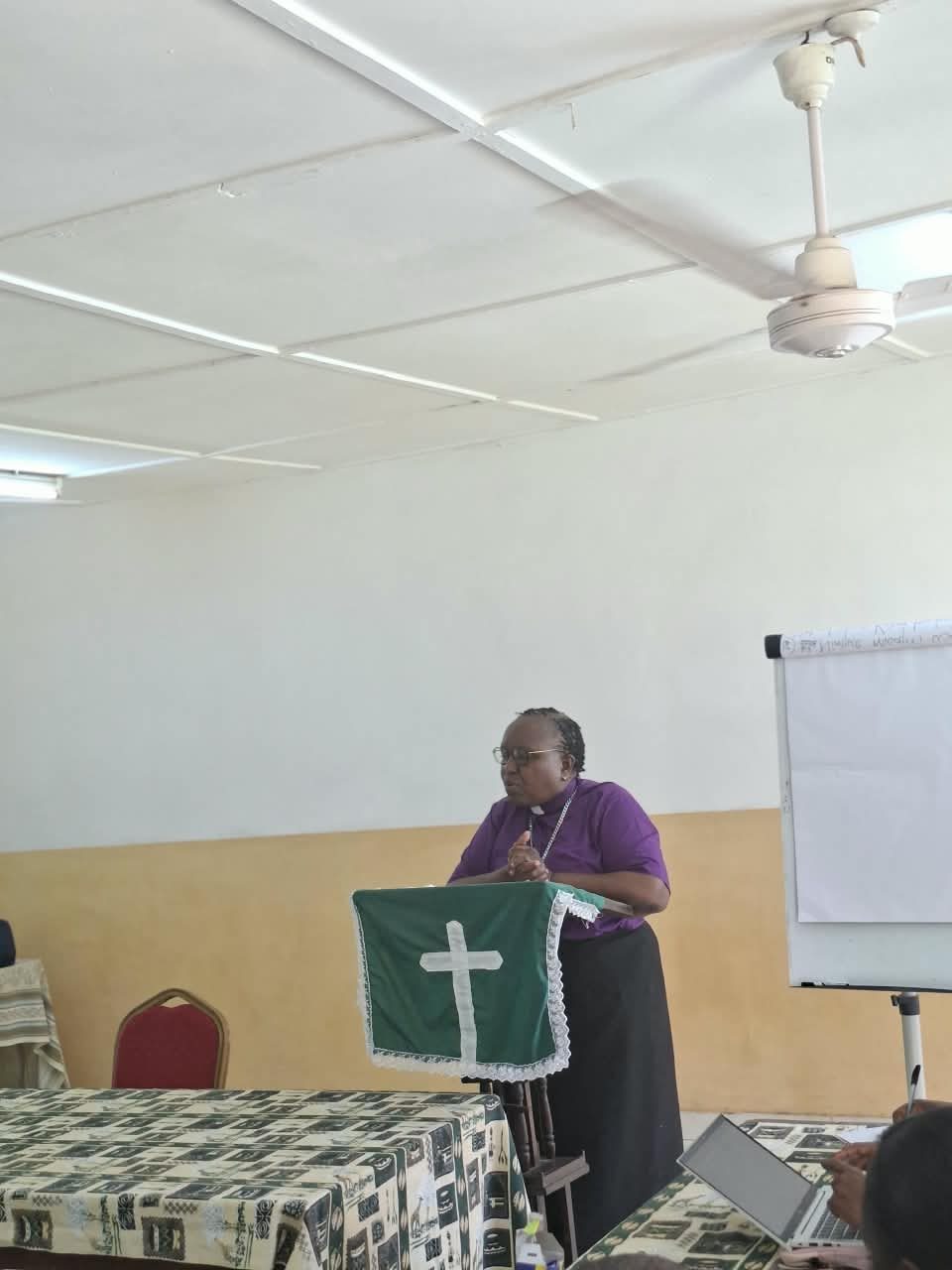
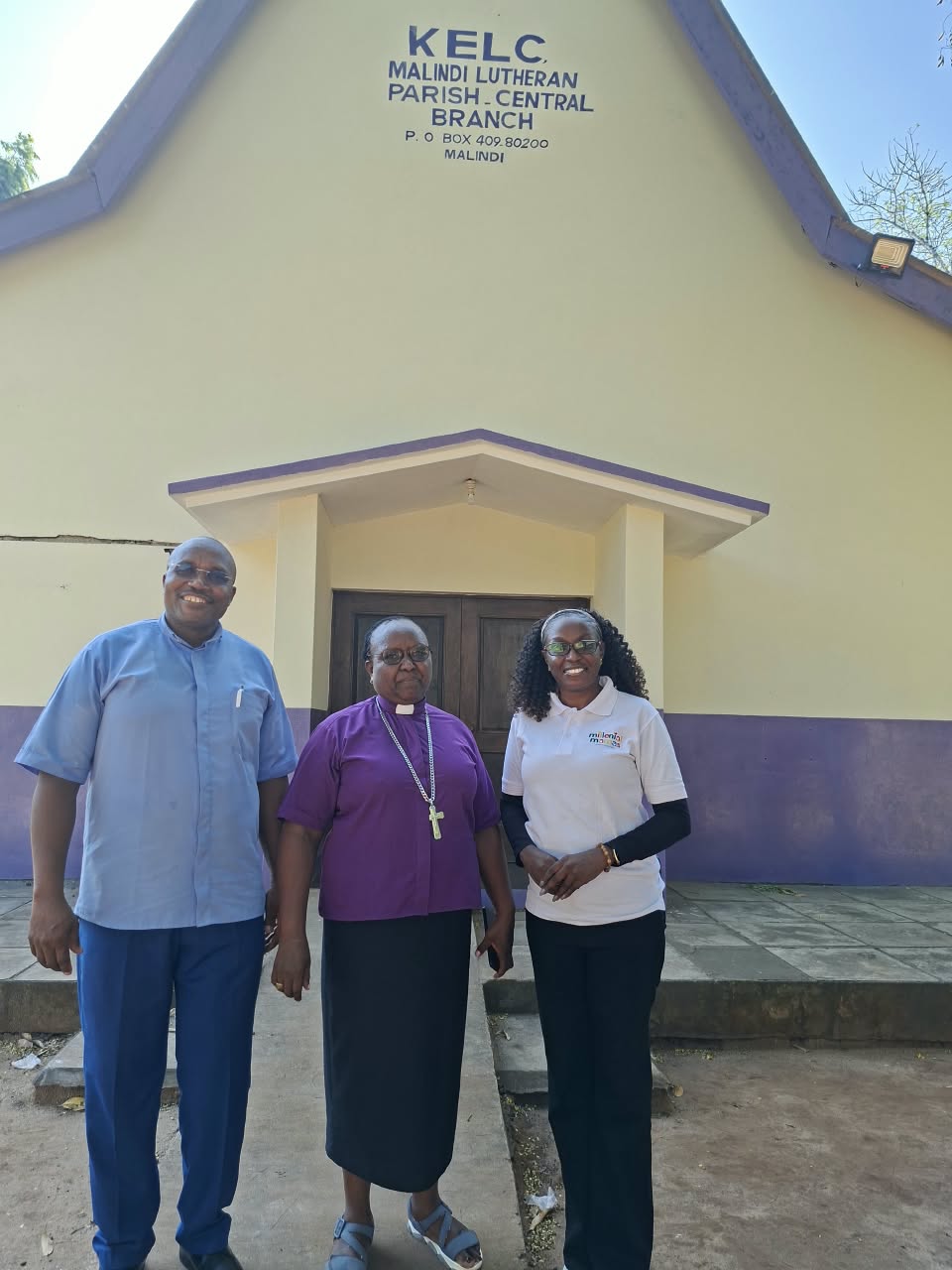
Opening the seminar, Bishop Rev. Catherine Ngina challenged leaders to embrace renewal and strengthen the Church's capacity to serve. She emphasized the vision of a Church that is self-sustaining, self-propagating and self-governing, while calling for inclusive leadership that creates space for young people, women and men to participate meaningfully in decision-making.
Stewardship, Values and Teamwork
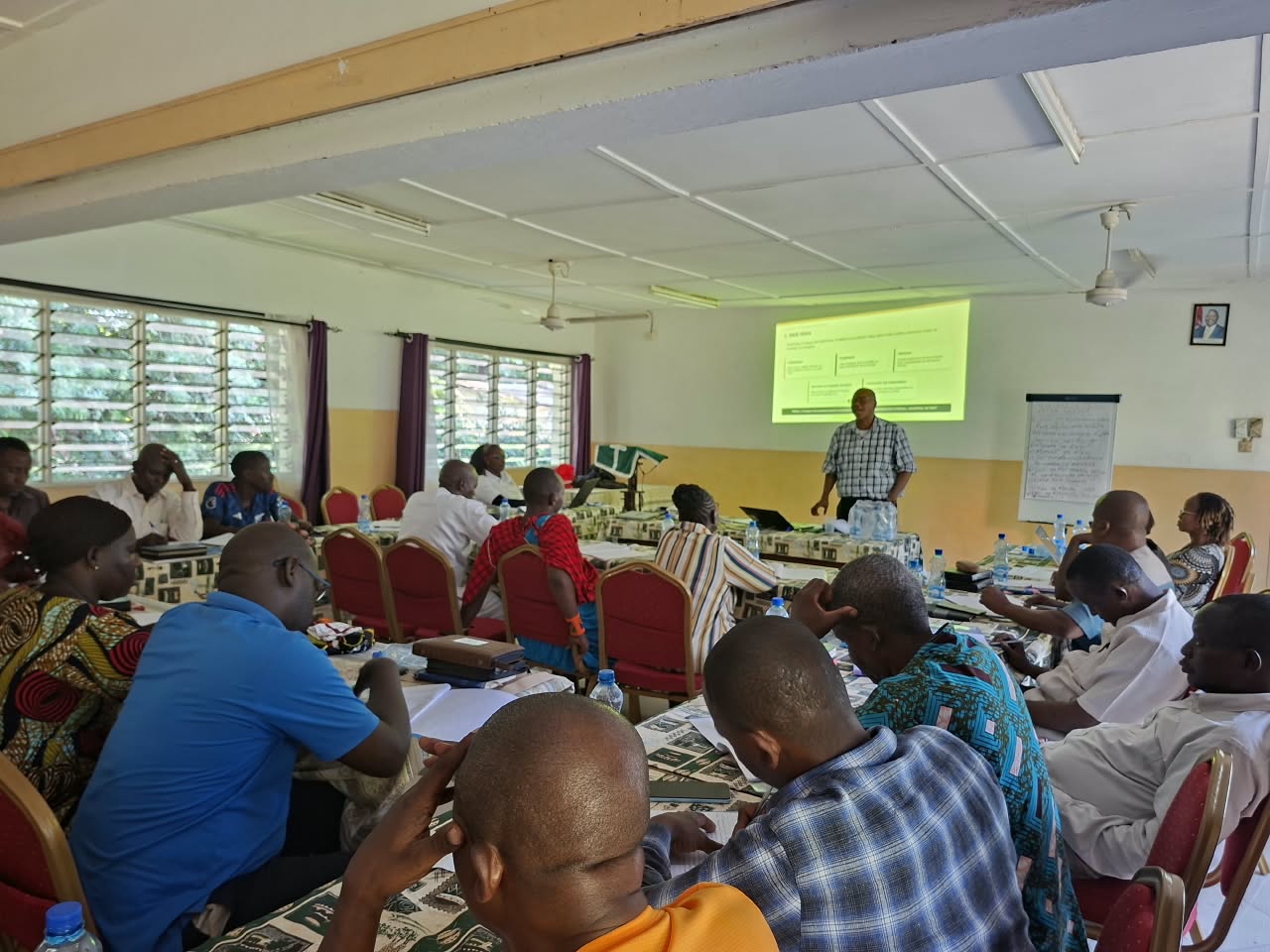
Rev. Msafiri, Chaplain with Kenya Prisons, facilitated sessions on servant leadership and Christian stewardship. He encouraged leaders to recognize their responsibility in managing time, talents, financial resources, relationships and church property.
KELC Secretary General Jonathan Kapanga followed with a session on team management, communication and emotional intelligence, highlighting the importance of effective collaboration in church leadership.
|
Faith, Civic Education and Peacebuilding
The National Council of Churches of Kenya (NCCK) explored the role of faith actors in civic education, peacebuilding and conflict management.
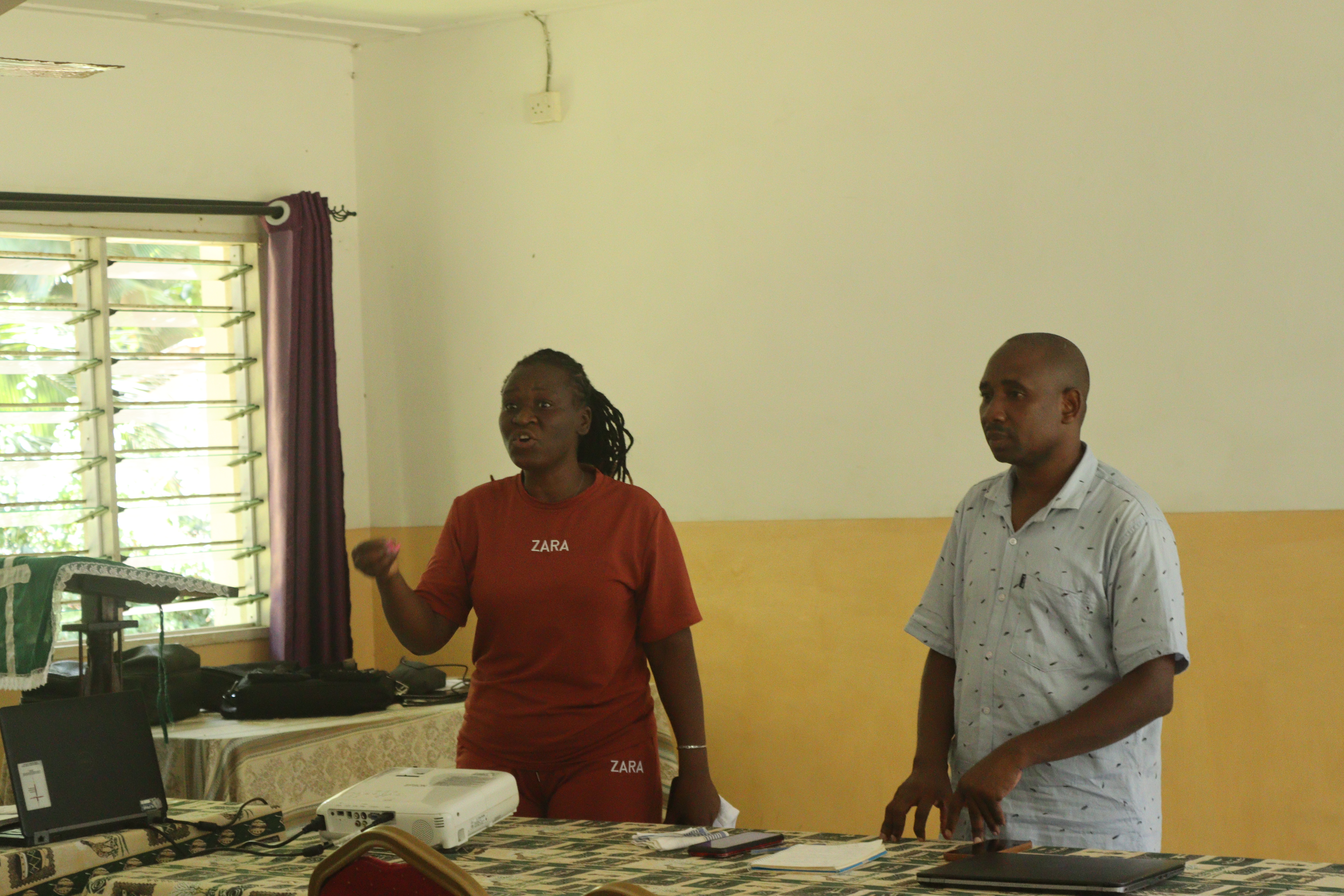
Eunice Omondi, Regional Manager of NCCK Coast, described dialogue as the mother of peace and reminded participants that peacebuilding begins in families and communities. She also acknowledged the partnership between NCCK and KELC, particularly in humanitarian work.
With the 2027 General Elections approaching, Charles Atii of NCCK urged church leaders to promote civic education, public participation, responsible citizenship and youth involvement in decision-making.
Linarosa Otieno, Legal Officer Coordinator, Coast Region, at the Legal Aid and Resource Centre (LARC-Kenya), introduced practical negotiation tools, including BATNA (Best Alternative to a Negotiated Agreement) and caucusing. She also emphasised the importance of understanding the church constitution, transparency and accountability in strengthening church governance.
 |  |
Financial Accountability
Pauline Kanini of the KELC Finance Department highlighted financial accountability, compliance and responsible resource management as essential foundations of effective church administration. She reinforced the importance of managing church resources responsibly and maintaining accountability in their use.
Caring for Those Who Lead
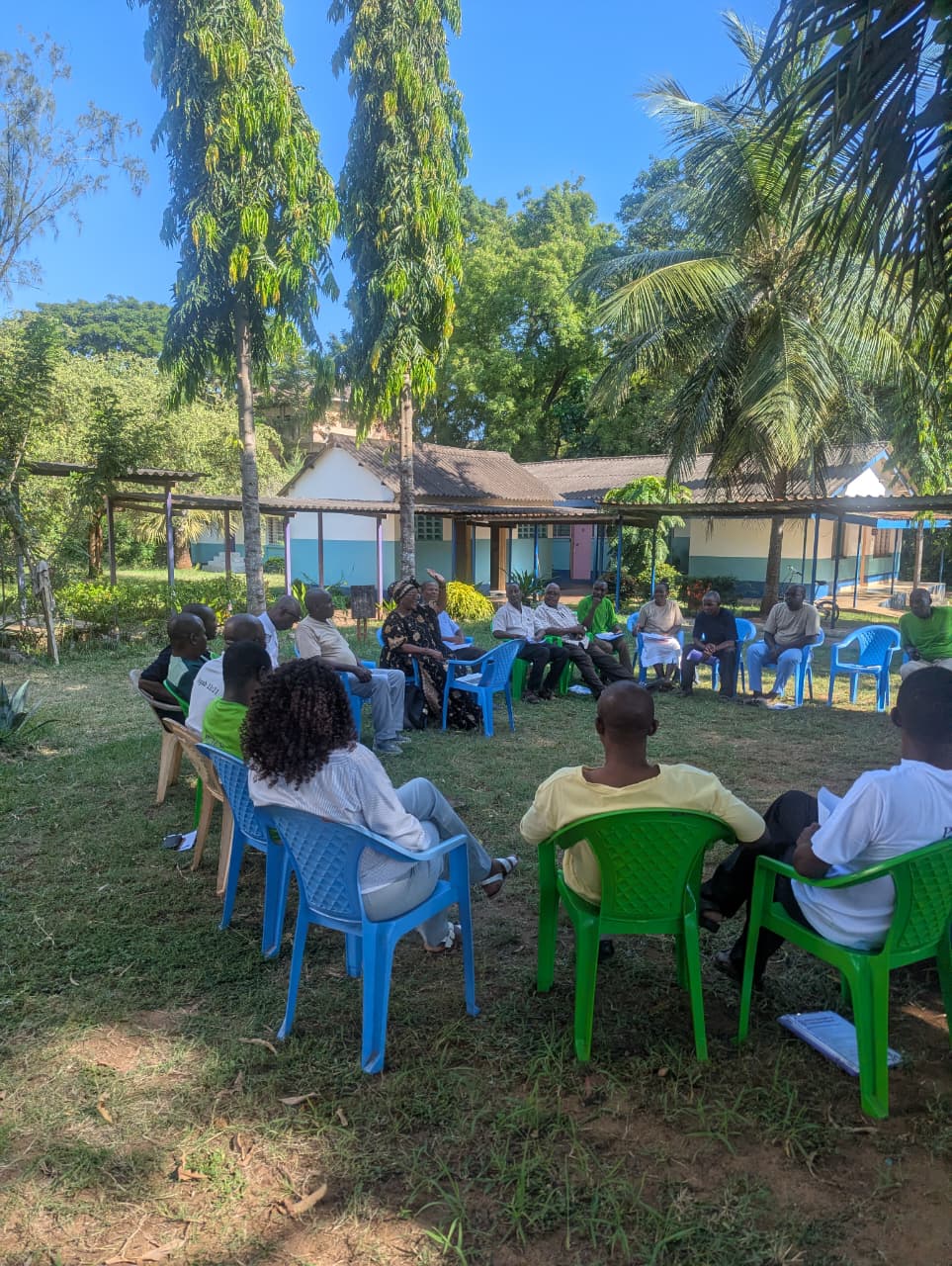
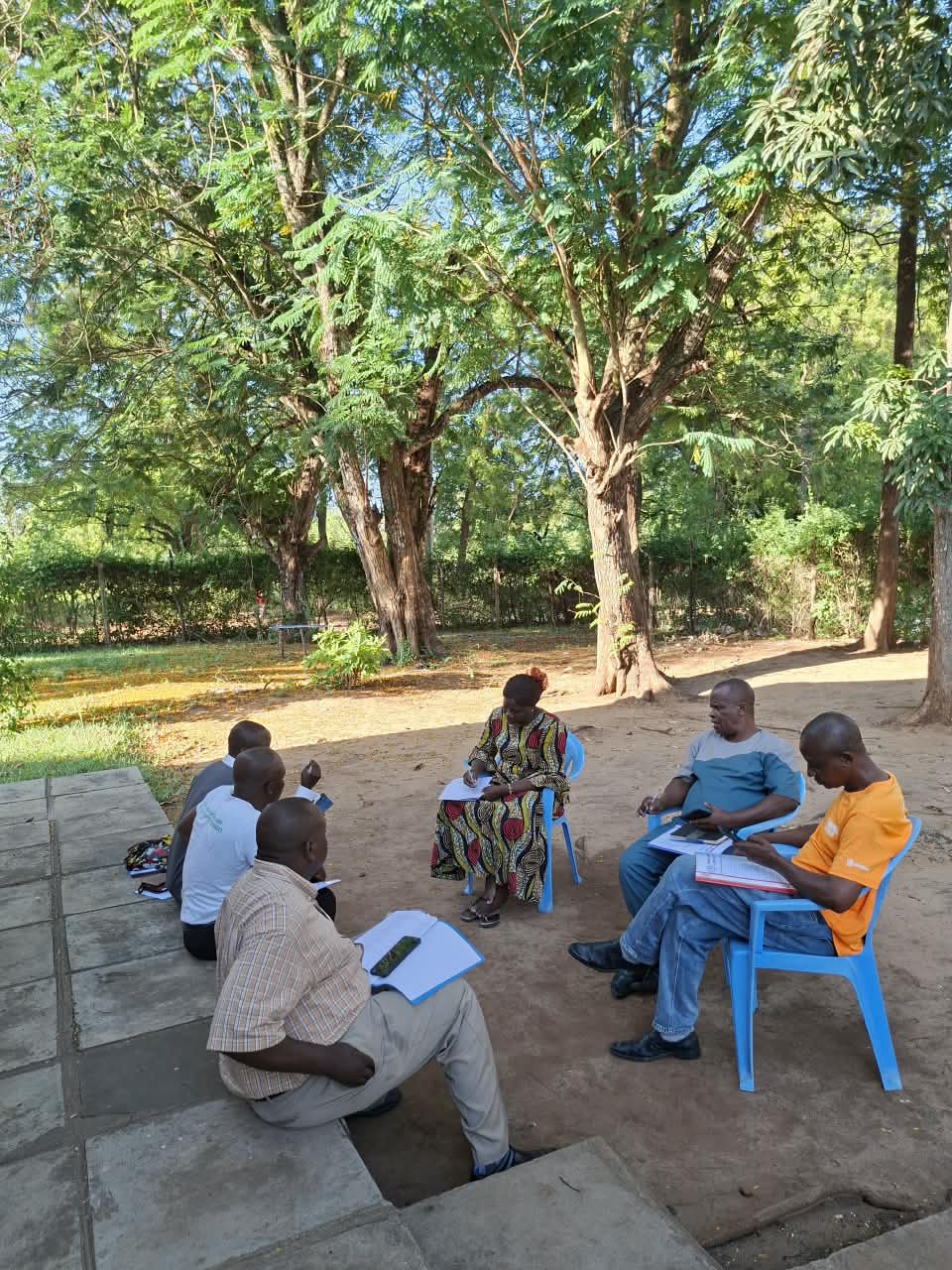
The seminar concluded with a session on mental health and well-being led by Mariam Musa, Founder and CEO of Duara Psychology in Mombasa.
Drawing on Matthew 11:28 and 1 Kings 19:4–8, she challenged leaders to reflect on an important question: When everyone leans on you, who do you lean on?
She encouraged leaders to seek support, take breaks, delegate responsibilities and involve volunteers, including young people, in church activities. She reminded participants that leadership and service should not come at the expense of personal well-being and family life.
Her message was clear: “You can't pour from an empty cup.”
 |  |
What Participants Took Away
Reflecting on the seminar, Deacon Philip Adika of Kakoneni Parish highlighted the Church's role in promoting civic education, public participation and accountability as important contributions to community development.
Habonaya of Hola Tana Parish emphasized the importance of standing for justice and truth as church leaders. She expressed her commitment to applying the lessons gained to strengthen her leadership and serve her community better.
The Way Forward
From stewardship and peacebuilding to financial accountability and mental health, the seminar reinforced the importance of strengthening both church institutions and the people who serve within them.
As KELC continues its work in leadership development, peacebuilding and community service, the challenge remains to translate these lessons into accountable leadership, inclusive participation and responsible service.
Strong churches are built through responsible leadership, shared commitment and a willingness to grow and serve together.
Comments
No comments yet — be the first to share your thoughts.